
The Importance of Proper Disposal of Parasite Control Products
Proper disposal of parasite control products is essential for environmental safety. Many people are unaware of how these products can affect their surroundings if not disposed of correctly. Parasite control items often contain various toxic chemicals that can contaminate the soil and waterways, harming wildlife and pets. To prevent these risks, it is vital to follow local regulations about disposal. Make sure to ask your veterinarian for guidance on the proper disposal methods for specific parasite control products brands. In many communities, there are collection events for hazardous waste, including these products, making it easier for pet owners to dispose of them safely. Besides, improper disposal can also lead to potential health risks for families, as children and other non-target animals may come into contact with these pollutants. Encourage responsible handling of these products at every stage, from purchase to disposal. Remember, the safe use of parasite control products starts from appropriate application techniques and concludes at responsible disposal practices to mitigate environmental damage and promote public health. Together, these measures can contribute to a safer ecosystem.
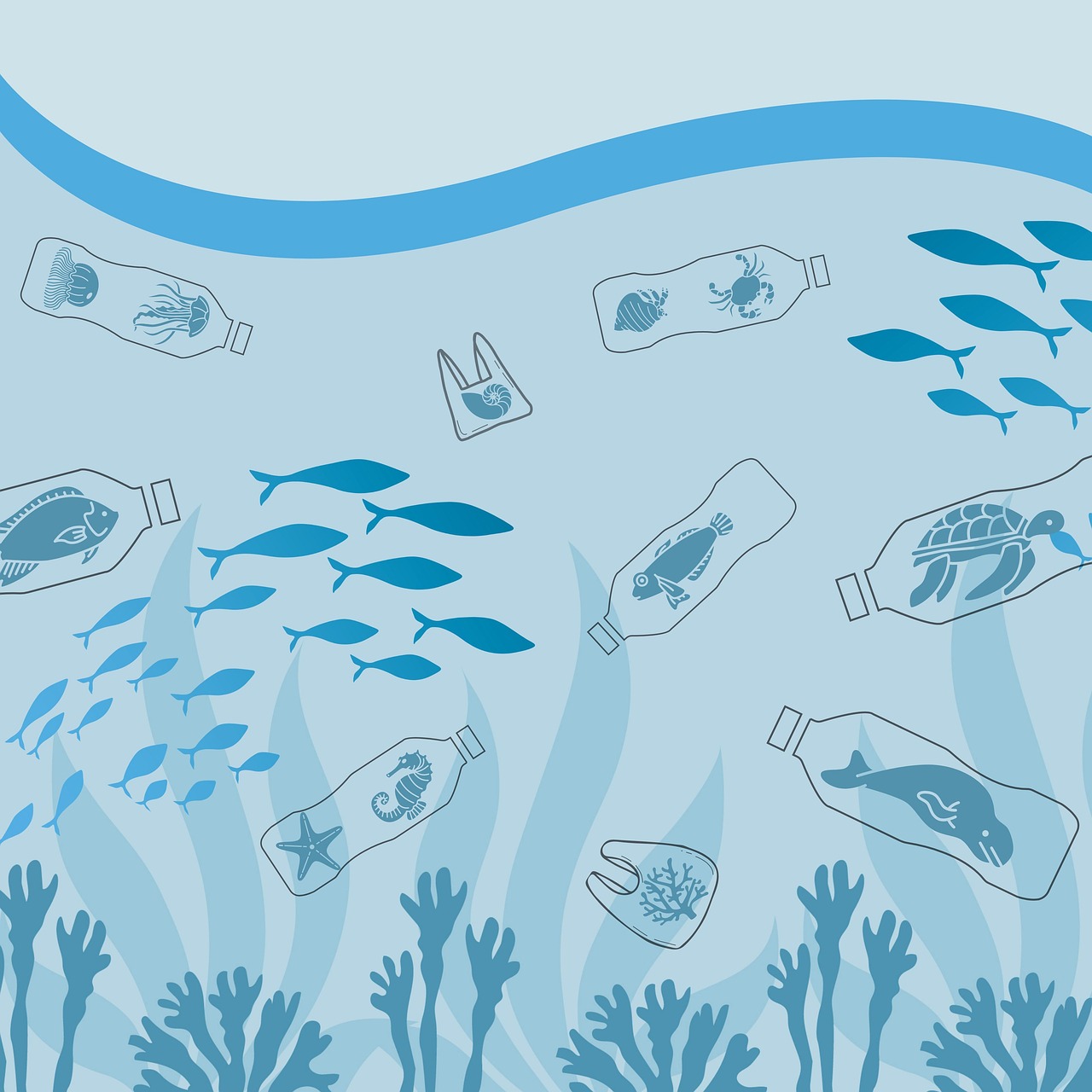
One significant aspect of parasite control and the environment is the impact of runoff. When pet owners use chemical treatments, residues can wash into storm drains and eventually reach natural bodies of water. This runoff can introduce harmful chemicals into aquatic ecosystems, disrupting the balance of marine life. Wildlife, particularly amphibians and fish, can suffer from exposure to these toxins, leading to population decreases. Furthermore, chemical runoff can alter the habitats where these animals thrive, leading to the degradation of entire ecosystems. To combat this issue, pet owners must remain aware of their environment when using these products. Techniques such as using targeted treatments and incorporating alternative methods can significantly reduce the risk of runoff. Integrated pest management, for example, emphasizes a holistic approach to pet parasite prevention. Utilizing less harmful substances, such as bio-based products, can mitigate the impact on the environment while still providing effective control. Moreover, educating pet owners is crucial. Community workshops can increase awareness about safe practices for disposing of and using parasite control products. This collective responsibility can create a healthier community and environment for everyone involved.
Consumer Awareness and Education
Consumer awareness plays a significant role in the proper disposal of parasite control products. Many consumers are not adequately informed about the environmental effects of these products. Consequently, they may inadvertently engage in practices that can harm their environment. Information campaigns and educational programs are essential in addressing this issue. Providing pet owners with knowledge about the potential hazards associated with parasite control products can lead to better decision-making. For instance, understanding the detrimental effects these chemicals can have on pets, children, and local wildlife can encourage responsible usage and disposal methods. Online platforms, pamphlets, and community seminars can all serve to disseminate this crucial information. Furthermore, veterinarians and pet store staff should be trained to offer sound advice on the safe usage and disposal methods of parasite control products. Collaboration with local governments will also help reinforce the importance of these initiatives. The more aware pet owners are about the environmental repercussions of their choices, the more likely they are to adopt practices that protect their surroundings and promote safer ecosystems.
Additionally, advocating for environmentally-friendly alternatives is another way to address the issue. Many consumers might be unaware of eco-friendly products that are equally effective but less harmful to the environment. These products often utilize natural ingredients or alternative methods for parasite control, minimizing the negative impacts on ecosystems. As awareness of environmental issues grows, the popularity of these safer options is increasing. As veterinary professionals and pet store owners promote these options, pet owners can make informed decisions that factor in their pets’ well-being and their environmental footprint. Beyond individual choices, it is essential to support companies that prioritize sustainability. When consumers demand more eco-friendly solutions, companies will respond by developing and providing these products. For instance, a rise in the market for organic pest control products may lead to necessary changes in traditional manufacturing processes. By prioritizing eco-conscious brands, consumers can create a ripple effect encouraging wider sustainability across the industry. Changing consumer behavior, while challenging, can have lasting effects on the environment and promote more conscious choices regarding parasite control products.
Community Initiatives and Engagement
Community initiatives can significantly impact promoting the proper disposal of parasite control products. By developing local programs aimed at educating pet owners, communities can foster responsible behaviors. These initiatives can include clean-up days, workshops, and disposal events to strengthen awareness and encourage environmentally responsible practices. Collaborative efforts with local governments and environmental organizations will help ensure the success of such campaigns. Engaging pet owners in regional discussions about waste management can lead to direct improvements in their community’s ecological footprint. Additionally, creating a social media presence focusing on safe disposal practices can reach broader audiences. Sharing informative articles, infographics, and videos can spread awareness and create a larger dialogue surrounding the issues related to parasite control products. Furthermore, organizing community challenges can incentivize responsible behaviors and participation in disposal programs. Reward systems or recognition for active participants can motivate others to follow suit. Ultimately, empowering communities to take ownership of their environmental impact can lead to lasting change, fostering a more sustainable relationship between pet ownership, parasite control, and the environment.
Finally, the implementation of stricter regulations on parasite control products is crucial. Governments and environmental agencies must establish policies that govern the production, distribution, and disposal of these items. Clear guidelines will help ensure that manufacturers adhere to safe practices while providing transparency about the contents and potential risks. These policies would encourage companies to innovate and prioritize sustainability in their products. Regulations regarding labeling can inform consumers about safe usage and disposal methods while highlighting environmental ramifications. Furthermore, continuous monitoring and evaluation of these policies are necessary to guarantee their effectiveness. Stakeholders must hold firms accountable for any mismanagement regarding disposal practices to maintain public trust. Collaboration between policy-makers, pet industry representatives, and environmental experts can ensure that regulations remain current and responsive to emerging environmental challenges. Public health campaigns that emphasize proper disposal guidance must accompany these regulations to increase awareness. By fostering a culture of accountability and responsibility, communities can collectively volunteer to mitigate the damage caused by improper disposal of parasite control products.
In summary, the importance of proper disposal of parasite control products cannot be overstated. It crosses the boundaries of individual responsibility, community engagement, and regulatory action. Pet owners must be equipped with the knowledge to choose safe and effective solutions for parasite control while understanding the long-term environmental implications. Communities should prioritize organization and engagement to develop programs that facilitate proper disposal and educate the public. Stricter regulations need to be established, holding companies accountable while encouraging innovation toward sustainable practices. As individuals, communities, and governments work together, we can establish a comprehensive approach to preserving our environment and ensuring the safety and health of all creatures involved. The commitment to environmentally responsible practices can create significant change, fostering a culture of care for the natural world around us. Lasting change is possible through awareness, education, and dedication to responsible behavior regarding parasite control products and their disposal. Together, we can take proactive steps to protect our precious ecosystems for generations to come.
By integrating personal responsibility with broader community strategies, we can secure a brighter, healthier future for all species. The proper disposal of parasite control products is integral not just to the sanitation of our households but also to the integrity of our ecosystems and public health. Therefore, we must advocate for practices that minimize harmful chemical usage while promoting alternatives that are effective and environmentally conscious. The responsibility lies with each pet owner to ensure they are educated on the products they use, how they affect the environment, and the proper channels for disposal. In doing so, we establish a baseline for responsible pet ownership that prioritizes ecological health. Ultimately, it is through informed choices and united community efforts that we can galvanize change in the industry, pushing towards a future enriched with safer practices and a cleaner environment. As we progress, seeking to understand the link between our actions and their environmental impact is central. The journey towards effective parasite control that respects ecological boundaries requires collective diligence, openness, and collaboration. Together, we can ensure the wellbeing of our pets alongside the ecosystems they inhabit.