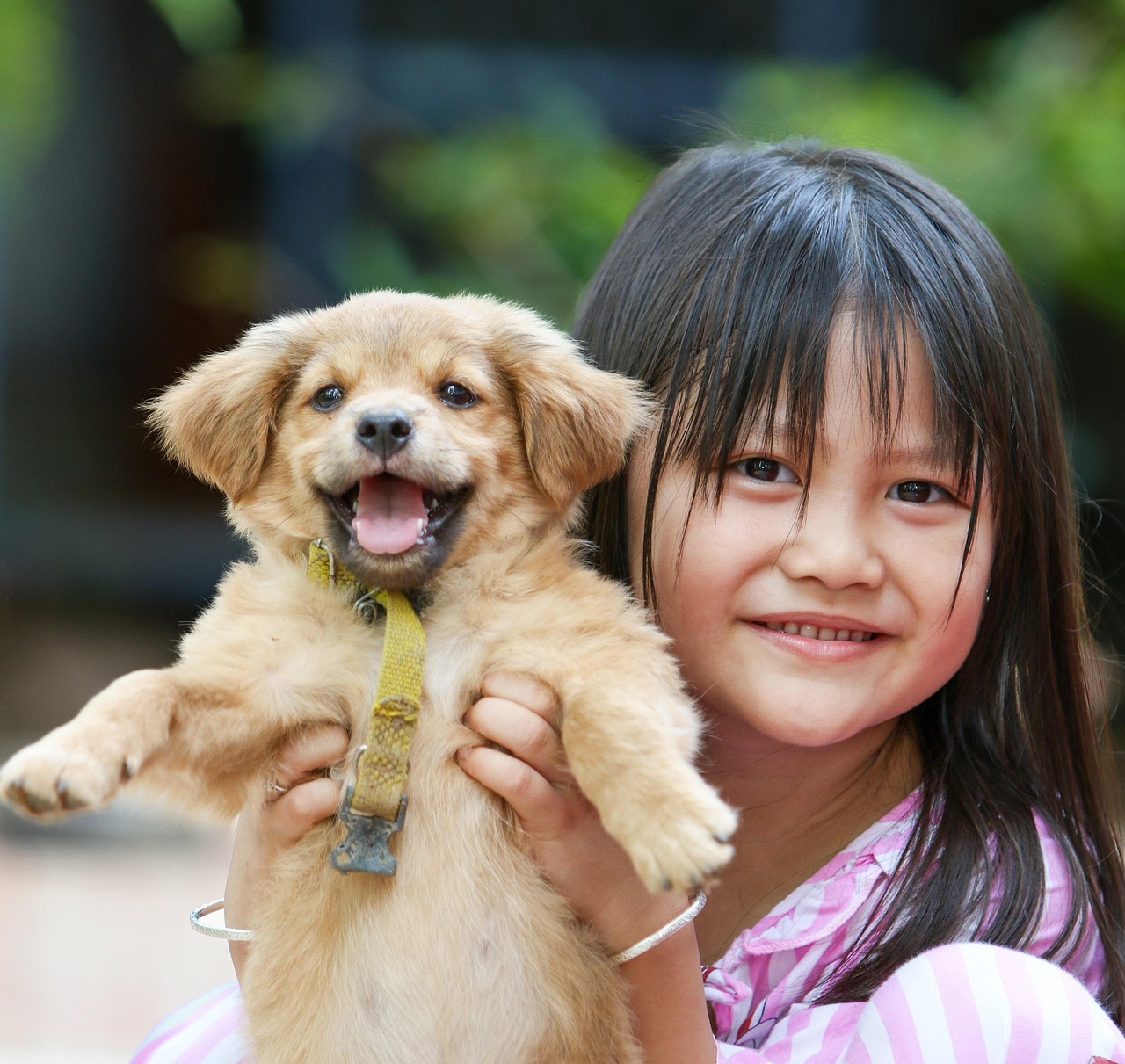

Dealing with Common Challenges in Training Dogs with Kids Around
Training dogs in homes with children involves navigating various challenges. Children naturally have different energy levels and behaviors, which can distract dogs during training sessions. Parents must establish a consistent routine that includes both dog training and child engagement. For example, creating distinct time slots for dog training fosters better focus. Also, it is essential to model appropriate dog interaction for children, teaching them the correct way to approach and handle dogs. Clear communication with kids helps them understand how their actions can impact training. Supervision is crucial; children must learn to respect the dog’s space and signals. Use positive reinforcement methods to encourage both dogs and children when they follow the rules. This leads to a healthy dynamic among family members and the dog. Additionally, consider involving children directly in training activities. This not only allows children to bond with the dog but also cultivates a sense of responsibility. Encouraging constructive involvement creates a positive environment. Remember that patience and consistency are keys. As children grow, their understanding and respect for dogs will evolve, which aligns with the training process, making it easier and more effective over time.
One common challenge arises from a child’s fear of dogs. If a child is hesitant or fearful, this can unsettle both the dog and the household atmosphere. It is essential to address these fears with empathy. Start by introducing the dog from a distance while ensuring the child feels safe and secure. Gradually decrease the distance as the child’s confidence grows. Use a calm and reassuring tone when discussing the dog, ensuring the child can recognize the dog as a friendly companion rather than a threat. Encourage interactions at the child’s pace. Involving kids in commands like “sit” or “stay” can empower them, fostering a bond over shared responsibilities. Instituting fun activities can also transform fear into excitement. For instance, use toys or treats during training sessions to engage both the child and dog. Reassure the child throughout the process, celebrating small victories together. When children see that the dog responds well to their input, it bolsters their confidence. Schedule regular playdates with friendly and calm dogs to have fun. Creating positive associations with dogs will help alleviate fears, empowering the child, and making future training easier and more enjoyable for everyone.
Managing Disruptive Behavior
Dogs and children are full of energy, which often leads to disruptions during training. It is essential for families to set boundaries early. Establish a calm training area away from distractions such as toys and screens. This helps both dogs and children to focus. Kids should be educated about the importance of remaining quiet and seated. Incorporating clear, simple instructions for kids during training greatly helps. Having predetermined expectations allows for smoother sessions. Use visual aids such as charts to depict commands and their meanings for the children. Children often respond well to visual stimuli. Rewarding both children and dogs with praise or treats for good behavior encourages positivity. Furthermore, parents can make a game out of training exercises, inviting children to participate actively. Turn training sessions into fun teaching moments, promoting cooperation and bonding with the dog. Implement short training sessions capped at about 10-15 minutes to sustain the attention span of both the dog and children. Frequent breaks help in managing excitement and prevent overexertion. Keeping these sessions engaging and brief keeps both parties eager to learn together while building a strong, harmonious relationship with the family dog.
One significant issue that may arise when training dogs around children is managing attention-seeking behavior. Dogs thrive on interaction, and they may react negatively when they feel ignored. It’s essential to teach dogs commands that redirect their attention back to training instead of focusing on playful children. Consistently reinforcing the “leave it” or “focus” commands can help. Encourage kids to participate by integrating fun commands like “spin” or “jump,” which keeps the dog engaged. Consistent actions from everyone in the family will help the dog learn to manage its excitement. It’s crucial to educate children not to inadvertently reward undesired behavior, such as jumping or barking for attention. If dogs are overly excited when the children are playing, redirecting their attention toward a toy or command is ideal. This helps in reinforcing that good behavior brings interaction. Gradually, the dog will learn to associate calmness with rewards. Additionally, training sessions should not occur during rough play with children. Always establish a clear distinction between training times and playtime, ensuring that both activities are enjoyable. This fosters a sense of order and predictability for the dog, greatly enhancing their training experience and relationship with family members.
Building Trust and Respect
Creating a successful training environment requires building mutual respect between dogs and children. Children must learn how to interpret dog body language. Teaching children about safe distances and understanding when a dog needs space is crucial. Explain the importance of not disturbing a dog while it eats or sleeps. This creates a harmonious household while teaching kids to be responsible pet owners. Role-playing can be an effective way to teach children how dogs express feelings. Discussing scenarios about dogs being scared, happy, or defensive helps illustrate the dog’s perspective. Use storybooks or videos showcasing positive interactions between families and pets, greatly resonating with children. Incorporate these media into family discussions, which fosters respect and empathy. Moreover, practicing appropriate interactions at home can reinforce respect for the dog’s individuality. Families can create simple house rules, like not pulling tails or ears. This instills discipline and kindness among family members. Allow children to participate in daily care routines, like feeding or grooming, which builds a bond and reinforces the dog’s trustworthy nature. Trust takes time to cultivate, but consistency, understanding, and mutual respect will ultimately lead to a more enjoyable training experience.
Another important challenge in this dynamic is ensuring safety at all times. The energy of children and dogs can lead to accidental injuries if both parties do not know how to behave appropriately around one another. To maximize safety, parents should supervise all interactions closely. Safety mechanisms such as baby gates, crates, or leashes during training sessions can help limit interactions until trust is established. Training children to respect a dog’s space will also help in avoiding any unforeseen issues. Teach kids not to approach a dog when it is resting or eating lest they inadvertently provoke unwarranted reactions. Utilizing supervised playdates with well-mannered dogs can introduce children to different canine behaviors in a controlled environment, allowing them to learn what is acceptable. Always remind children of the need to approach new dogs slowly. Moreover, having a safe word or signal that children can use if they feel uncomfortable is ideal. This empowers them and allows you to maintain control over the situation. Reinforcing these safety measures will help develop a deeper understanding between dogs and kids while promoting their interactions as safe and enriched bonding experiences.
Rewards and Motivation
Using rewards correctly during training sessions can be essential when children are present. Dogs are motivated by treats, praise, and playtime; likewise, children respond positively to acknowledgment and positive reinforcement. Encouraging children to participate in reward-based training helps to create a fun atmosphere. Families should establish a reward system that acknowledges a dog’s desired behavior while including children’s contributions. This reinforces shared responsibilities. For example, awards may include fun interactive toys for dogs when they respond well to commands. Children rewarding the dog with treats or toys for good behavior is a win-win situation, linking rewards to good behavior. Additionally, allowing children to choose their dog’s rewards fosters engagement. Alternatively, creating chart systems can track progress, encouraging both dogs and kids to strive for goals. Visual rewards such as stickers on a chart can motivate children greatly. Incorporate playful competitions such as “best trick” challenges to keep things exciting. This type of collaborative effort not only motivates the dog but also strengthens the bond between the child and the animal. Enforcing a structured reward system cultivates a positive environment where both members thrive, ensuring enjoyable moments occur during training.
Lastly, families must remember that training is a journey. Progress may vary among individual dogs and children, requiring patience and understanding. Every session is an opportunity to learn, and small setbacks are normal. Keep sessions light and filled with laughter. This lays the groundwork for a positive environment. Reassurance is essential during tough moments—acknowledge good behaviors, and correct undesirable behaviors gently. Share in the process of learning together. Develop realistic expectations, as children and dogs will each have different learning curves. Encourage children to celebrate small victories with their dog. Creating a tailored approach to training and participation helps foster this bond. Incorporating engaging activities aids retention of lessons learned for both the dog and the child. As they navigate this journey together, positive memories, experiences, and greater understanding emerge. You are not just training a dog; instead, you are cultivating a loving and respectful relationship that strengthens their family unit. In conclusion, remember that consistency, trust, and patience will yield lasting results, creating a positive space where dogs can thrive with children nearby. Enjoy the journey as you train together, building memories that will last a lifetime.