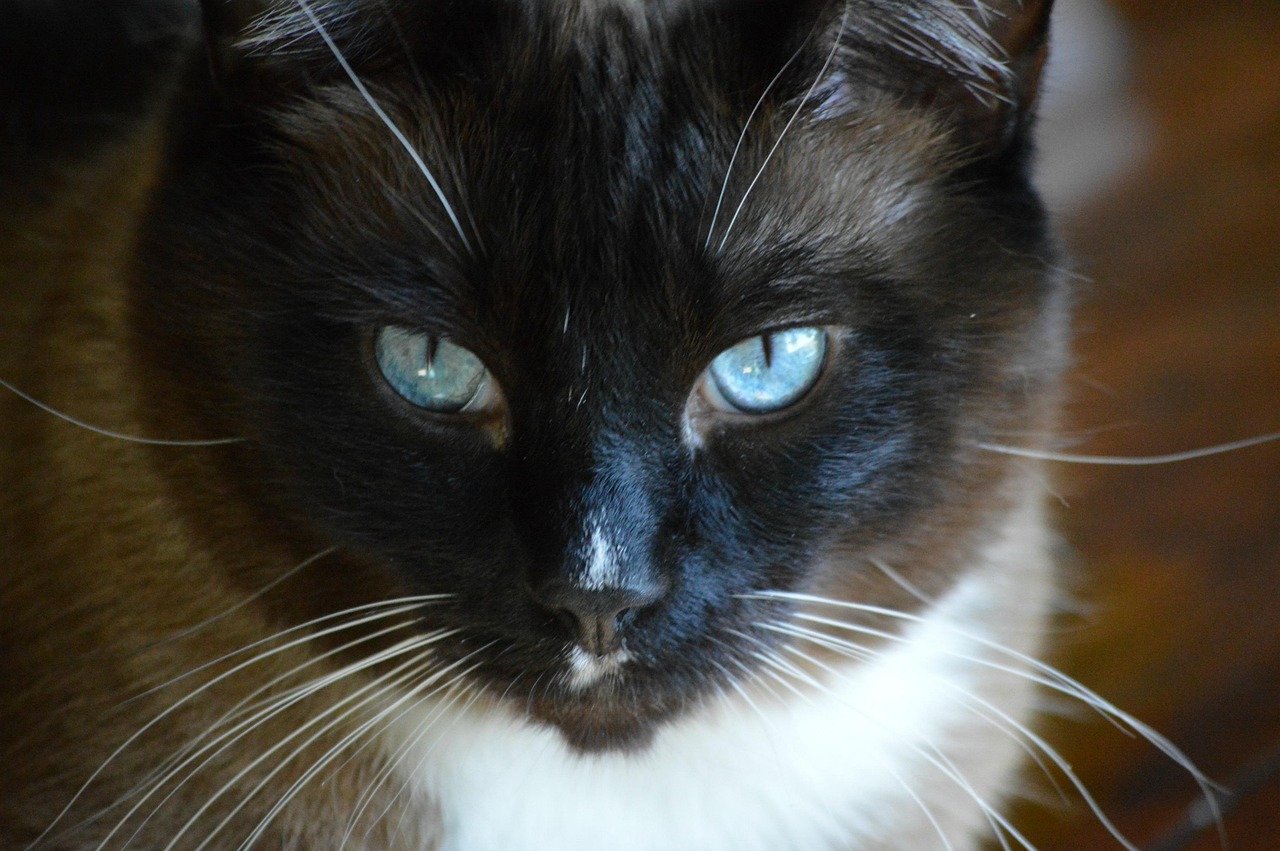

The Snowshoe Cat’s Behavior: Understanding Their Personality
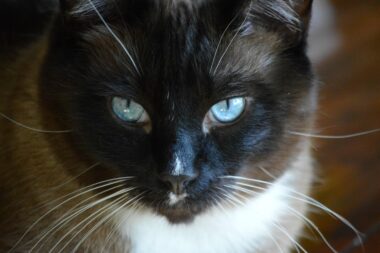
The Snowshoe cat, known for its distinctive coat patterns and charming personality, exhibits a unique mix of feline traits. These cats are typically affectionate and socialize well with humans and other pets, making them suitable companions. Their distinct blue eyes and white “snowshoe” markings on their paws make them visually appealing. Snowshoes are often playful and require regular stimulation to keep them happy and healthy. They enjoy interactive toys that challenge their mental and physical abilities. These cats are also known to be quite vocal, often engaging in conversations with their owners. This vocalization typically indicates their desire for attention or interaction. Snowshoe cats thrive on companionship; thus, they might follow their owners around the house. Additionally, their lively personality makes them excellent for families with children or other pets. Their intelligence is notable, as they quickly learn commands and tricks, showcasing their eagerness to please. However, they may become bored without sufficient activity, leading to potential behavioral issues. It’s essential to ensure they have a diverse range of toys and playtime. Owners should recognize their individual personality traits and adapt accordingly.
The Social Nature of Snowshoe Cats
Snowshoe cats, inherently social creatures, display an endearing affinity for companionship. They thrive in dynamic environments where they can interact with both human family members and fellow pets. Their cheerful demeanor often translates into lively play, and they enjoy participating in family activities. This sociability is not only a characteristic of their breed but also forms a fundamental part of their emotional happiness. Snowshoe cats have the innate ability to sense their surroundings and often gravitate towards individuals who offer affection and engagement. As a result, they become dependable companions for those who appreciate feline company. Their friendly nature encourages them to bond closely, whether with children, adults, or other animals. Due to their interactive temperament, Snowshoes can develop strong bonds, exhibiting loyalty and devotion. They also thrive in multi-pet households, frequently displaying their playful and social behavior. However, it’s critical to introduce them to new companions gradually, ensuring a harmonious transition. Adopting a Snowshoe promises an enriched social experience, significantly enhancing the overall household dynamic. They relish participating actively, thus reinforcing their position as cherished family members.
In addition to their amiable temperament, Snowshoe cats are recognized for their playful and curious nature. Their inquisitive personalities often lead them to explore their environment enthusiastically, making them captivating pets. This exploration frequently translates into exhausting, entertaining antics that dazzle their owners. Snowshoe cats thoroughly enjoy diverse forms of play, whether it’s chasing laser pointers or enchanting feather toys. Such engagement is paramount, as it keeps their minds active and promotes healthy physical activity. Furthermore, their intelligence enables them to quickly figure out puzzles and interactive toys, making it essential to stimulate their cognitive capabilities. Owners should provide a variety of toys that cater to this explorative spirit and actively participate in playtime. Encouraging games and engaging activities fosters their innate curiosity while helping mitigate any temperature or boredom-related issues. Social playtime enhances owner-cat connections and allows the cat to express its energetic spirit and development. In addition to toys, climbing structures encourage further exploration and provide additional enrichment. This combination enables Snowshoe cats to thrive emotionally and mentally, resulting in a balanced and joyful household experience.
Vocalizations: The Communicative Side of Snowshoe Cats
One of the standout characteristics of Snowshoe cats is their distinctive vocalization. Unlike many other cat breeds, Snowshoes often express their needs and desires quite vocally, making them unique companions. Their tones can range from soft chirps to persistent meows, enabling them to convey a multitude of emotions. This vocal behavior is typically driven by their social nature and desire for interaction. Understanding the different types of sounds they make can help owners respond effectively to their needs. Their vocalizations often signal hunger, attention seeking, or even a request to play. Snowshoe cats enjoy engaging with their families, and these sounds serve to bridge the communication gap. Owners often find it refreshing to have an engaging feline that participates in family conversations. This bond helps strengthen the emotional connection between the cat and its human counterparts. While some may prefer quieter breeds, others appreciate the dynamic presence of a vocal cat. Snowshoe owners can foster a deeper relationship by responding to their cat’s vocalizations with affection and attention, further encouraging communication. Creating a nurturing environment supports their natural instincts and social habits.
In terms of behavior, Snowshoe cats exhibit a strong sense of territoriality, often marking their space and asserting dominance in a playful manner. This behavior stems from their innate feline instincts. The playful banter often highlights their charming personality and includes chasing, pouncing, and engaging in mock fights with toys. As they stake their claim, these cats find amusing ways to display their dominance without aggression, keeping interactions light-hearted. Snowshoe cats generally become territorial when it comes to their favorite resting spots, among other possessions. Occasionally, they may exhibit jealousy if another pet encroaches on their territory. To manage their natural instincts, pet owners should establish designated areas and behavior that foster peaceful coexistence. Providing climbing spaces, cozy nooks, and cat trees can alleviate tensions surrounding territorialism. By creating an engaging environment, owners can effectively maintain peace within multi-pet households. Observing interactions among pets allows owners to assess relationship dynamics, making adjustments as necessary. With understanding and appropriate measures, Snowshoe cats can develop into affectionate companions who contribute positively to family life.
Training the Snowshoe Cat
Training Snowshoe cats can be a rewarding experience, thanks to their eagerness to learn and engage. Their inquisitive nature compliments their intelligence, making them suitable candidates for various forms of training. Owners can introduce commands and tricks through fun, positive reinforcement methods. Treats or praise for desired behaviors help enhance their learning process and strengthen their bond with human counterparts. Highlighting training during playtime can yield impressive results, as Snowshoe cats often thrive in interactive environments. Recognizing their tendency to get bored, maintain a consistent routine regarding training sessions, ensuring they remain interested. Scheduled play intervals can reinforce learning effectively. It’s also essential to create an enriching environment for these cats, where training can seamlessly integrate with daily activities. The more enjoyable and holistic the experience, the more engaged they will become. Socialization is an integral component of training, as exposing them to different households and environments builds confidence. Observing their behavior will help in adapting training strategies, ensuring it remains a positive experience. Ultimately, nurturing their social and intellectual capabilities enhances their quality of life and relationship with their owners.
Lastly, understanding the general health and well-being of Snowshoe cats plays a pivotal role in their behavior. These cats are generally healthy, but like all breeds, they do face specific health concerns. Regular veterinary check-ups will help identify and address any underlying issues early. Maintenance of a balanced diet and routine exercise promotes overall health and can prevent obesity. A healthy lifestyle not only impacts their physical well-being, but it also directly influences their behavior and mood. By attending to their dietary needs, owners can foster the growth of a lively and playful personality. Additionally, mental stimulation through interactive toys or puzzle feeders supports cognitive health, preventing boredom-related behaviors. Snowshoe cats thrive in environments that cater to their physical and emotional needs. Addressing any medical conditions promptly can also enhance their quality of life. Encouraging preventive healthcare measures ensures that Snowshoe cats remain vibrant companions for years to come. Ultimately, recognizing and acting on health concerns supports their affectionate demeanor and playful antics, enriching the relationship between the cat and its owner.