Why Exercise Is Essential for Managing Stress in Dogs
Understanding the importance of exercise for dog mental health is crucial for every pet owner. Dogs, like humans, experience stress, anxiety, and depression, which can significantly affect their overall well-being. Regular physical activity helps dogs release pent-up energy, promotes mental stimulation, and can alleviate stress levels. Engaging in exercise allows dogs to explore their environment, which can help reduce feelings of anxiety and boredom. Activities such as walking, running, and playing fetch not only burn energy but also improve a dog’s mood and cognitive functions. Furthermore, spending time outdoors provides opportunities for socialization with other animals and people, contributing to a well-rounded, happy pet. Owners should strive to incorporate daily exercise routines that are age-appropriate and tailored to their dog’s unique needs. Providing a balanced combination of physical and mental challenges can foster a strong bond between owner and pet while enhancing the dog’s quality of life. Remember, neglecting exercise can lead to behavioral issues such as excessive barking, chewing, or digging, making it essential to prioritize physical activities in your dog’s daily routine.
Physical benefits can directly impact a dog’s mental state, making exercise a key component of effective management strategies. When dogs engage in regular exercise, they experience a plethora of positive physiological changes that contribute to their overall mental health. For instance, exercise promotes the release of endorphins, the body’s natural stress relievers, which can lead to improved mood and a reduction in anxiety. Moreover, consistent activity can also enhance sleep quality for dogs, which is vital for mental recovery and overall wellness. Additionally, weight management is crucial to keeping dogs healthy both physically and mentally, as obesity can exacerbate stress levels and lead to further behavioral issues. Therefore, keeping a dog at a healthy weight through exercise not only elevates their physical condition but also fosters a calmer, more balanced mindset. Engaging in fun activities such as agility training, hiking, or playing with toys can provide not just physical exercise but also mental engagement. Owners are encouraged to monitor their dogs for signs of stress or agitation and adjust activity levels accordingly, keeping in mind that regular and enjoyable exercise is crucial for sustained mental health.
Types of Exercises Beneficial for Dogs
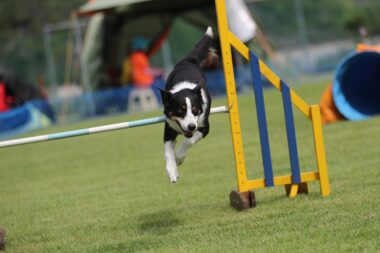
There are several types of exercises that can significantly contribute to a dog’s mental health. Walking is undoubtedly the most common exercise that offers numerous benefits. Regular walks not only promote physical fitness but also provide essential mental stimulation as dogs explore their surroundings. Interactions with different scents, sounds, and sights can bolster their confidence and decrease anxiety. Furthermore, engaging in fetch or tug-of-war can be a delightful way to alleviate stress and provide mental engagement. Activities like swimming are also effective, particularly for energetic breeds that require high levels of activity. Canine agility courses present a structured physical outlet while enhancing focus and problem-solving skills. Puzzle toys and brain games serve as excellent alternatives for indoor activities, promoting mental exercise and keeping boredom at bay. These diverse exercise options ensure that dogs remain physically active while also creating a stimulating environment that nurtures their mental well-being. It’s essential to regularly evaluate which activities your dog enjoys most and adjust their exercise regimen accordingly to maximize their overall happiness and health.
While exercise is vital, providing a proper routine is equally important for managing stress efficiently. Establishing a consistent exercise schedule can help dogs feel secure and understand what to expect, easing anxiety levels. Dogs thrive on routine, and regular physical activities can reinforce this stability in their lives. Owners should aim to incorporate both structured and unstructured play into their dog’s daily schedule, allowing for creativity in exploring new environments and experiences. Interaction with other dogs can tremendously enhance social skills, while solitary play allows dogs to engage with their personal toys and activities. Adjusting activity levels to match changes in health, age, or weather is also essential to ensure ongoing mental well-being. Additionally, taking time to bond with your pet through training exercises can not only provide physical benefits but also enhance the human-animal relationship, reducing stress levels for both parties. Owners are encouraged to engage in various activities that suit their dog’s individual personality and health requirements, maintaining a balance between mental challenges and physical exercise while ensuring their dog remains happy.
Signs Your Dog Needs More Exercise
Identifying the signs that your dog requires more exercise can help mitigate potential stress issues before they escalate. Look for behaviors such as excessive barking, destructive chewing, and hyperactivity, which may indicate that your dog has excess energy needing an outlet. Additionally, dogs showing signs of anxiety, such as pacing or whining, can benefit from increased exercise. Behavioral changes during situations that would typically not stress your dog can also indicate underlying unease. If your pet seems to be unwilling to engage in activities they once enjoyed, it might signify a need for more stimulating physical engagement. Regularly observing your dog’s demeanor can give you valuable insight into what they need regarding exercise and mental stimulation. If you notice behavioral issues surfacing, consider re-evaluating their current exercise routine and introducing new activities or extending playtime duration. Consistency is key, and keeping your canine physically and mentally active is essential in maintaining a happy, healthy dog while effectively managing stress levels.
Moreover, dog owners should also consider incorporating mindfulness into their exercise routines. Practicing mindfulness during walks can enhance the overall experience for both the owner and the dog. Encouraging your dog to explore their environment at a slower pace can foster a deeper connection and help alleviate stress. Observing your dog’s reactions to different stimuli during these moments can provide insight into their emotional state. Utilize nature during exercise to create a calming environment where both you and your pet can relax and recharge. Some owners may also find that yoga or stretching exercises help promote relaxation and bonding moments with pets, enhancing both mental wellness and physical fitness. Mindfulness is not only beneficial for dogs but also encourages owners to embrace a more present mindset with their pets. Fostering this connection is vital in further reducing stress levels for both parties. Overall, the emphasis is on tailoring exercise routines that promote both physical and mental health, considering the unique needs of your specific dog. Individualizing a dog’s exercise regimen can lead to profound improvements in their overall quality of life.
Conclusion
In conclusion, exercise plays a vital role in managing stress in dogs. Regular physical activity not only benefits their physical health but also greatly impacts their mental state. Through appropriate exercise and stimulation, pet owners can help mitigate stress levels in their pets while enhancing their overall happiness. Understanding the intricate relationship between exercise and mental well-being is essential for fostering a healthy lifestyle for our canine companions. By engaging in diverse activities tailored to each dog’s needs, we can create an enriching environment that nurtures mental stability. Monitoring behavioral changes and adjusting routines accordingly allows for an ongoing assessment of each dog’s well-being. Therefore, it is crucial for dog owners to prioritize daily exercise as part of their pet care regimen. This, in turn, can lead to happier, healthier, and more balanced dogs who can navigate life’s challenges more effectively. Establishing a bond through shared activities and initiatives encourages a deep sense of security and happiness, ultimately reducing stress for both owner and pet alike. Regular exercise is a vital component in the journey towards achieving optimal mental health in dogs.