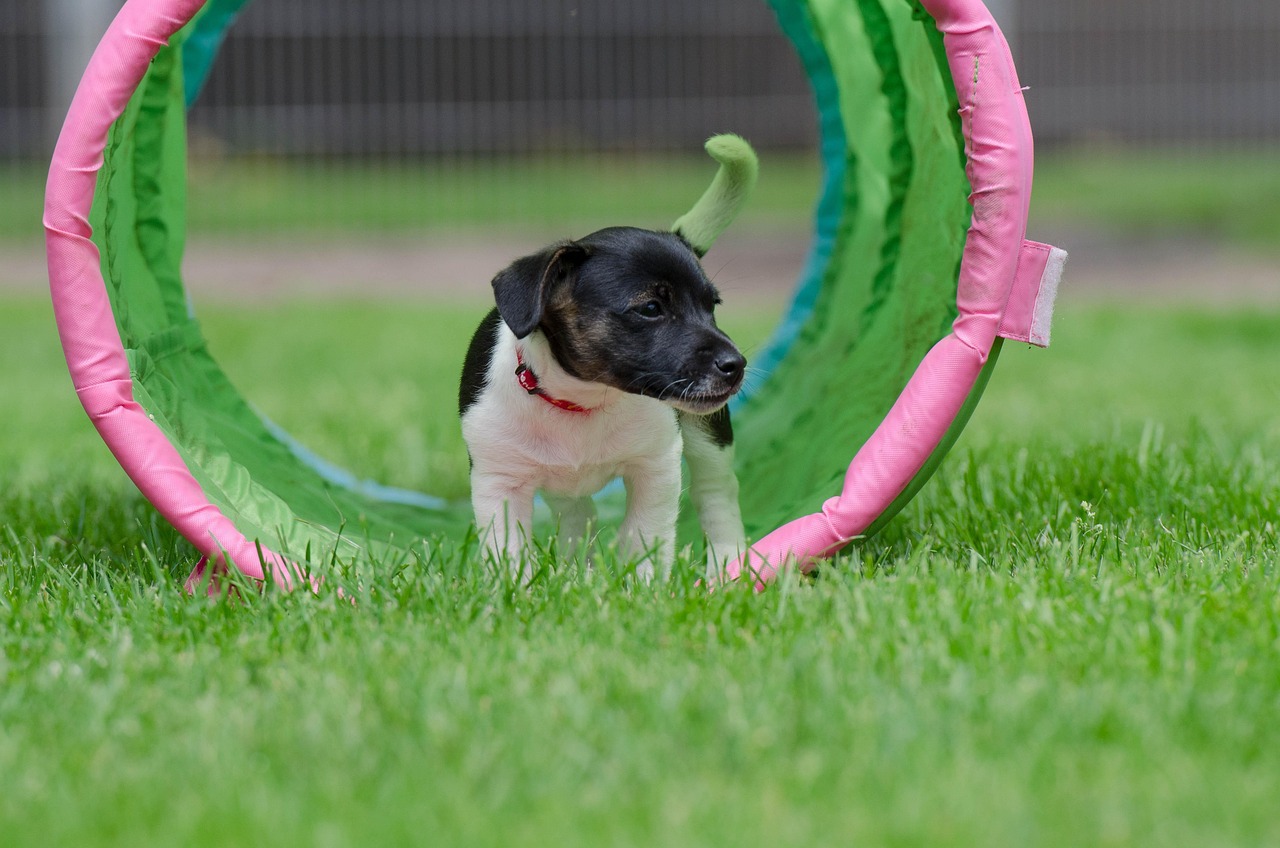

The Role of Early Socialization in Puppy Behavior
Early socialization plays a crucial role in developing a puppy’s behavior. It sets the foundation for a well-adjusted adult dog. Puppies that undergo proper socialization experiences tend to be more confident, less fearful, and exhibit fewer behavioral problems. These early interactions can significantly impact how dogs respond to various stimuli in their environment. Positive experiences during this critical period can help reduce issues such as aggression, anxiety, and fearfulness later in life. Exposing puppies to various people, animals, environments, and experiences can enhance their adaptability and social skills. It’s vital to ensure these introductions are positive and welcoming. Experience from a young age shapes their behavior when faced with new situations, whether meeting another dog or encountering loud sounds. Therefore, engaging in puppy classes, playdates, and various outings can enrich their socialization process. Additionally, training during this period should emphasize positive reinforcement techniques, encouraging gentle guidance. Such experiences not only help with behavior but also strengthen the bond between a puppy and its owner, leading to a more fulfilling companionship. Ultimately, the investment in socialization pays dividends in creating a harmonious living environment with our canine companions.
Puppies typically undergo a critical period of social development from three to fourteen weeks of age. During this time, they are more receptive to forming social bonds and learning about their surroundings. Interactions with littermates, other dogs, and humans are significant for their development. These early connections teach them vital social skills, such as bite inhibition, communication cues, and tolerance to other animals. It’s during this window that puppies learn to read body language and respond appropriately. Socialization experiences shape how they perceive the world, leading to better-adjusted pets and fewer behavioral issues. Puppy owners should thoroughly consider the impact of environments and experiences introduced during this sensitive phase. Engaging in supervised play is essential to promoting good interactions. However, exposure must be managed carefully to prevent overwhelming a young dog. Signs of fear or anxiety must be closely monitored, ensuring experiences remain positive. Regular and varied exposure creates a well-rounded puppy that can handle an array of everyday situations. Early socialization fosters a life-long bond between dogs and their human families, as well-adjusted puppies tend to form secure attachments. This is crucial for successful companionship and mutual enjoyment of shared lives.
Understanding Fear and Anxiety
Puppies that lack proper socialization may develop fear and anxiety-related behaviors as they grow. A lack of exposure to various environments, people, and other pets can lead to overexcitement or timidity. Fearful dogs may react aggressively out of fear or retreat and hide when faced with unfamiliar situations. Understanding triggers through proper puppy socialization can help address these issues early. Early encounters with different objects, sounds, and experiences should be carefully curated to create positive associations. This process often includes providing ample positive reinforcement such as treats or praise during exposure to potentially frightening stimuli. Fear and anxiety can result in behavioral problems later, like leash reactivity or aggressive tendencies. The aim is to expose puppies to the world to create confident, well-adapted adults. Lack of exposure increases the likelihood of desensitization issues, leading to a constant state of stress. Puppies should be encouraged to explore and interact positively with their surroundings, contributed through structured interactions. Building a supportive environment gives them the freedom to explore while teaching them to feel secure. A well-socialized puppy is equipped with essential tools for coping and can handle encounters with unfamiliar circumstances better.
Socialization should not be solely limited to interactions with other dogs. Remember to include human interactions in early socialization. Exposure to various people, particularly children, can be particularly beneficial. Puppies need to experience different sizes, shapes, and types of people to decrease the likelihood of fear reactions as they grow. These positive early experiences can diminish perceived threats and desensitize them to diverse environments. It’s essential to use gentle introductions and maintain control while monitoring for signs of anxiety. Additionally, interactions with various animals will help promote adaptability in their future encounters. Opportunities for socialization can include attending puppy classes, where they can play and learn with other puppies. Watching how they interact helps owners identify any behavioral patterns that may arise. Each puppy’s experience is unique, emphasizing the need for patience and understanding during socialization exercises. A progressive approach allows puppies to gain confidence and fosters better social skills, ultimately leading to calmer adult dogs. The goal is to provide a safe space for exploration alongside structured learning, thus enhancing their lives as companions and family members for years to come. This proactive approach pays dividends long-term.
Common Mistakes in Socialization
Puppy owners often make several common mistakes regarding socialization. One of the biggest errors is overwhelming the puppy with too much stimulation at once. This can lead to negative experiences that hinder their development, solidifying fears. Introducing them to numerous people or dogs all at once may create stress, leading to an adverse reaction. Another common mistake is not providing consistent and varied experiences. Daily exposure to new sounds, objects, and environments should be gradual and balanced, ensuring a healthy progression. Alternatively, some owners may neglect the critical period of socialization entirely. Waiting too long to socialize a puppy can result in unexpected behavioral problems, making it more challenging to teach them later. The goal should always be to create enjoyable experiences, using rewards and encouragement to foster positive associations. Understanding the optimal timeline for exposure can help owners make informed decisions regarding socialization. Encouraging gentle interactions rather than forced confrontations is key to developing confidence in puppies. Each positive encounter helps reinforce desirable behaviors, counteracting any potential fear or anxiety. Avoiding these common socialization pitfalls helps create better-adjusted, happier dogs, significantly enhancing their quality of life as pets.
The impact of early socialization is not just limited to behavior. Puppies that experience positive socialization as young dogs tend to form secure attachments with their human families. This trust is vital for building a lifelong relationship. A well-socialized puppy is likely to be more adaptable when situations change, such as moving homes or encountering new pets. Healthy social interaction leads to strong bonds, supporting mutual trust and connection. Regular outings can expose young dogs to the sights and sounds of the world while strengthening the relationship between puppy and owner. Additionally, socialization positively affects a puppy’s mental health, contributing to their happiness and well-being through social engagement. In essence, the time and effort spent socializing a puppy lays the groundwork for a balanced, loving partnership. Owners also benefit from observing their puppy’s growth and behavioral patterns during this process. Witnessing the confidence develop in their furry friend enriches the human-dog relationship. This connection fosters a sense of trust that enhances communication over the years. In the end, investing in early socialization pays off, creating well-rounded, emotionally balanced dogs that thrive as members of the family, ultimately leading to years of happiness together.
Conclusion and Final Thoughts
In conclusion, the role of early socialization in puppy behavior cannot be overstated. It significantly impacts the development of a well-adjusted and balanced dog. Proper exposure to different environments, people, and stimuli builds a strong foundation for emotional health. Puppies that receive this socialization are generally more adaptable and exhibit fewer behavioral problems as adults. By ensuring enjoyable experiences and fostering a positive approach to new situations, owners can create a nurturing atmosphere for their puppies to grow in. It’s essential to remain patient throughout this process, understanding the unique needs of each puppy. Owners must strive to provide diverse and enriching interactions and avoid overwhelming their puppies. Practicing socialization techniques can lead to the development of confident adult dogs, enhancing their quality of life and their families. Ultimately, a well-socialized puppy is a joy to live with, characterized by its happiness and ability to navigate the world effectively. Therefore, prioritize socializing your puppy during this critical period, establishing lifelong skills that benefit both you and your canine companion. The efforts made today will undoubtedly lead to a more fulfilling relationship tomorrow, reinforcing the integral bond shared between humans and dogs.
Regularly reviewing your puppy’s behavior helps ensure they stay on track developmentally. Observing them in situations helps identify any emerging behavioral patterns that may need addressing. Socialization is an ongoing process and can evolve with the puppy’s growth. Reassessing their socialization needs periodically allows owners to make necessary adjustments. Engaging in ongoing training classes as they age helps reinforce learned behaviors and offers new challenges that promote continued growth. Owners must remain consistent with training and incorporate positive reinforcement into their routine, ensuring their puppy maintains learned skills. This helps strengthen the bond further while reinforcing the importance of socialization and experiences throughout a lifetime. Continuous exposure to safe environments and gradual experiences will ultimately benefit the dog’s development. Building confidence takes time, and ensuring puppies feel secure while encountering new sights and sounds is crucial. Consistency, patience, and understanding help foster a reassuring environment—one that instills trust and encourages exploration. In turn, these factors promote good behavior in adult dogs, leading to better emotional health. Finding a balance in socialization approaches is paramount, as this sets the stage for successful adulthood in our furry friends. We can ensure enjoyable companionship through thoughtful interactions and experiences.