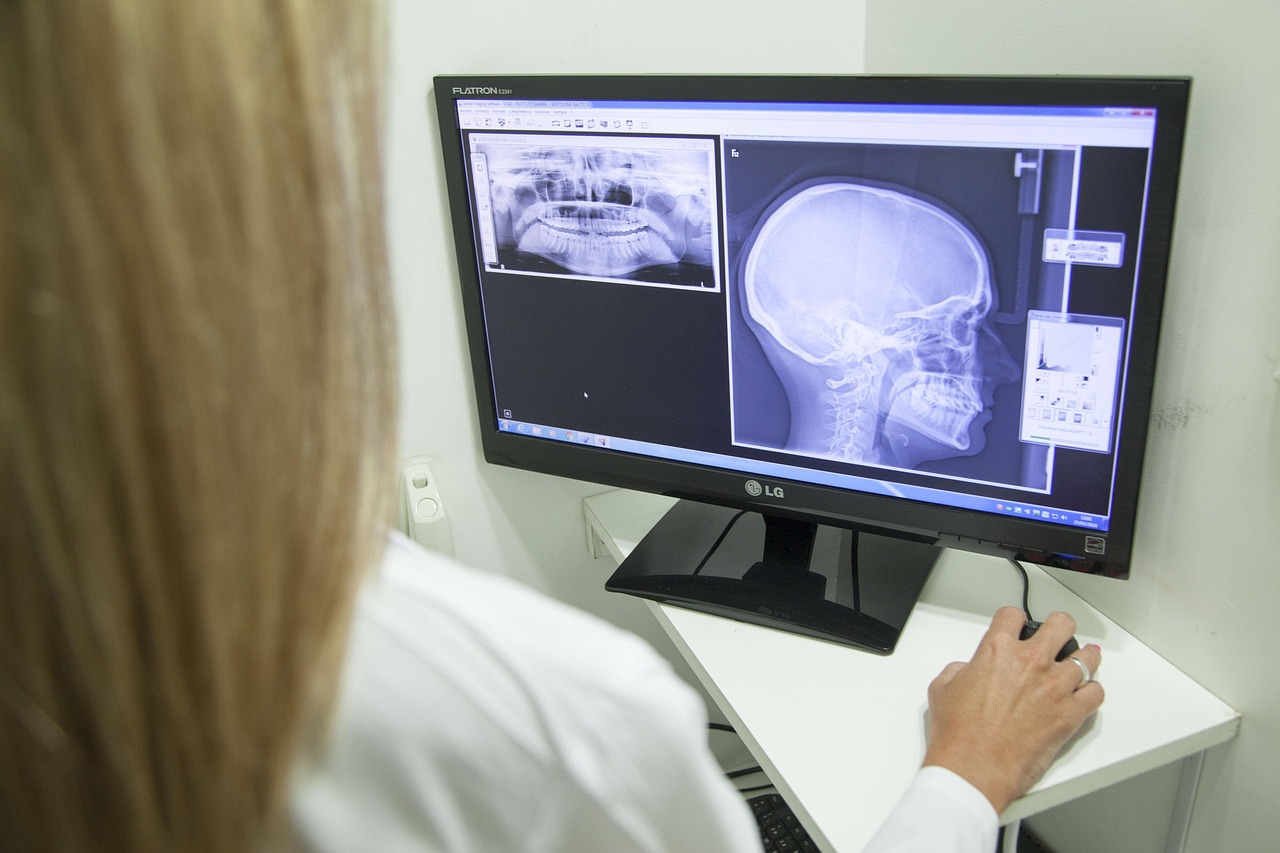

The Connection Between Dental X-rays and Overall Dog Health
Dental health is vital for our furry companions, yet many pet owners neglect it. Regular veterinary checkups often reveal that dental problems can significantly impact dogs beyond just oral issues. One of the most effective methods for diagnosing these hidden problems is the use of dental X-rays. X-rays allow veterinarians to see below the surface of gums and teeth, uncovering any diseases that may not be visible during a routine examination. This is crucial since many dental conditions can progress silently, affecting your dog’s overall well-being. Dental X-rays are especially helpful in identifying periodontal disease, tooth resorption, and other complications that might cause pain. Understanding the importance of dental X-rays can be a pivotal component of proactive dog care. Without regular assessment using this imaging technology, dogs may suffer from serious health issues that could easily be managed or prevented. Therefore, investing time and resources into your dog’s dental care is necessary and finding a veterinarian trained in advanced dental techniques can make a difference. This ensures your beloved companion remains happy and healthy over the years.
A thorough assessment using dental X-rays not only supports oral health but also has implications for your dog’s overall health. Neglecting dental issues can lead to more serious health concerns, as oral bacteria can enter the bloodstream and affect vital organs like the heart, kidneys, and liver. Thus, addressing dental problems early through X-rays can prevent costly and painful secondary issues down the line. Furthermore, early identification of issues can lead to less invasive treatments and quicker recoveries. The long-term benefits of maintaining dental health through regular X-rays may include a longer lifespan and a better quality of life for your dog. It is essential to have open conversations with your vet about when dental X-rays should be taken – typically during routine cleanings or when dental disease is suspected. Ensuring that your veterinarian has the equipment and expertise to perform these X-rays is crucial for optimized care for your dog. The link between dental health and overall health is becoming increasingly recognized, and dental X-rays are a vital part of this understanding.
Pet owners often wonder about the safety and necessity of dental X-rays for their dogs. Fortunately, veterinary dental X-rays are safe and frequently recommended by professionals to get a clearer picture of dental issues. These X-rays use low levels of radiation, making them a safe diagnostic tool even for young and old dogs alike. However, only trained veterinarians should perform dental X-rays to ensure accurate readings and proper technique. They can evaluate the results and decide on the best course of treatment based on those images. Proper interpretation of X-ray results is crucial, as this can significantly impact subsequent treatment plans. While some pet owners may be hesitant about anesthesia during the process, the benefits of identifying hidden dental diseases outweigh potential risks. In many cases, early detection of serious conditions can save both pain and unexpected veterinary expenses. Knowledge about your dog’s needs, combined with the advantages of veterinary expertise in dental health, can guide you in making informed decisions regarding your pet’s dental care routine.
Understanding Dental Disease in Dogs
Dental disease is among the most common health challenges facing dogs today, often going unnoticed. Many pet owners may not recognize the early signs, such as bad breath, difficulty eating, or swollen gums. Understanding these warning signs proves essential for guiding appropriate veterinary care. Regularly scheduled dental cleanings and examinations can help catch these issues before they develop into more serious health problems. Through imaging studies like dental X-rays, symptoms of oral disease can be diagnosed more effectively. The x-rays can reveal infections, missing teeth, or bone loss that may not be readily apparent. Identifying these problems early increases the likelihood of successful treatment, helping you ensure the longevity of your dog’s health. Maintaining proper dental hygiene at home, including brushing your dog’s teeth and providing dental chews, can also mitigate some of these issues while working in conjunction with regular veterinary visits. As informed pet owners, keeping an eye on your dog’s dental health habits is crucial. By recognizing the connection between dental well-being and overall health, you’re taking a significant step in responsible dog ownership.
Moreover, the cost of neglecting dental health can be significant. Treatment for extensive dental diseases often involves not only complicated procedures but can also require medications and additional follow-up care. It’s essential for pet owners to understand the financial implications of ignoring dental health, which can lead to increased medical expenses. Regular dental X-rays provide valuable insights that lead to preventative care and early intervention, resulting in long-term savings. Furthermore, many pet insurance plans cover dental cleanings and diagnostic procedures, making it easier for pet owners to manage these essential aspects of dog health. Educating yourself about the various dental diseases affecting dogs and how dental X-rays contribute to early detection can empower you as a pet owner. Taking proactive measures and integrating dental care into your dog’s routine contributes significantly to their quality of life. By prioritizing these health checks, you’re also acknowledging the love and responsibility pets require. It’s a habit and an investment that pay off in the long run, ensuring happier, healthier years together with your furry friend.
The Role of Regular Check-ups
Scheduling regular veterinary check-ups enhances your dog’s overall healthcare regimen. Regular examinations, including dental checks and x-rays, can help discover issues before they escalate into something more severe and painful. Moreover, fostering a direct line of communication with your vet can help address any concerns while they’re still minor, ensuring professional guidance tailored specifically to your pet’s unique needs. During these check-ups, your veterinarian can assess the health of your dog’s teeth and gums and propose an appropriate care plan. Beyond basic cleanings, these appointments are your opportunity to discuss any behavior changes or dietary habits that may indicate underlying issues. Keeping track of your dog’s dental health necessitates consistent check-ups at least once a year. These visits also provide opportunities for education on other facets of their health and well-being. Additionally, a good vet will address any questions you may have regarding at-home dental hygiene, improving your dog’s care. Ongoing education and awareness are just as critical as regular care in maintaining your furry friend’s well-being. Regular check-ups are key components in achieving excellent overall canine health.
In conclusion, recognizing the connection between dental X-rays and overall dog health empowers pet owners to take proactive steps toward their furry companions’ welfare. Dental X-rays allow for comprehensive insights into oral conditions, which can significantly affect a dog’s overall health if left untreated. Thus, integrating dental care into your pet’s routine not only improves their quality of life but can prevent long-term health issues that arise from inadequate treatment. Investing time and resources into understanding and providing the best dental care, including regular X-rays, leads to healthier, happier dogs. Working closely with your veterinarian to monitor your dog’s dental health affords peace of mind and strengthens your relationship with your pet. Dental care should never be an afterthought; it’s a necessary aspect of responsible pet ownership. Take the initiative to explore available dental health care options like regular check-ups, X-rays, and home care solutions. By fostering better dental habits, you’re prioritizing your dog’s health for years to come. Awareness and action are key in ensuring that your pet remains a happy, healthy member of your family.