
The Risks of Raw Feeding: What Dog Owners Should Know
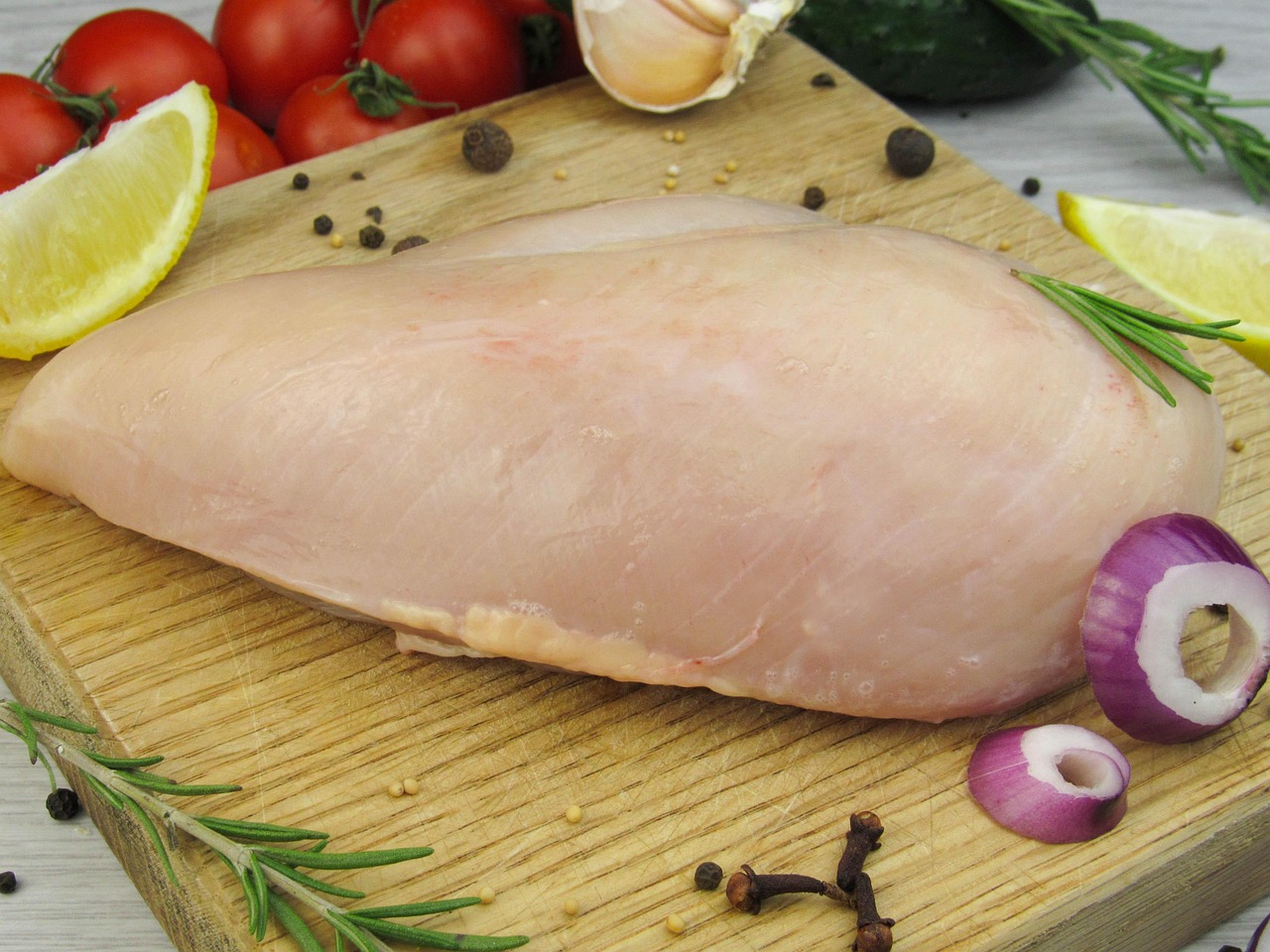
As pet owners, providing the best nutrition for our furry companions is essential. One popular trend among dog owners is raw feeding, involving giving dogs uncooked meat, bones, and organs. While some advocates believe this is closer to a dog’s natural diet, there are significant risks associated with raw feeding that every dog owner should understand. First and foremost, the risk of bacterial contamination is alarming. Raw meat can carry harmful pathogens like Salmonella and E. coli, which could lead to serious illness in dogs and their human counterparts. Additionally, an unbalanced raw diet can lead to nutritional deficiencies. Many owners may struggle to provide a balanced intake of vitamins and minerals when preparing homemade raw meals. It’s easy to overlook necessary nutrients when relying solely on meat products. Regular veterinary check-ups and dietary consultations are crucial for dogs on a raw diet to ensure they remain healthy and receive essential nutrients. Dog owners must weigh the pros and cons carefully and consider safer, balanced options for their beloved pets. Consulting with a veterinarian is always advisable before making significant dietary changes.
Moreover, improper handling and storage of raw food can further increase the risk of bacterial growth and contamination. Many dog owners might be unaware of proper hygiene practices, which are paramount when dealing with raw meat. Always wash hands and surfaces thoroughly after preparing raw meals. Keeping raw dog food separate from human food is vital to prevent cross-contamination, which could affect family members, especially young children, and the elderly. Storing raw meat in a cold environment, like a refrigerator or freezer, also minimizes bacterial growth. It’s important to remember that dog’s digestive systems can differ significantly from ours. While dogs do have natural defenses against some bacteria, they are not invincible and can still fall ill from ingesting contaminated food. Owners should also be mindful when transitioning a dog to a new diet; sudden changes can result in gastrointestinal upset. Gradually introducing new food types allows your dog’s digestive system to adapt smoothly. Observing dietary changes and their effects on a dog’s health is essential for ensuring their well-being and comfort during the transition process. Safety should always be a priority.
Understanding Nutritional Needs
Every dog has unique dietary requirements that depend on various factors, including age, size, breed, and health status. Raw diets can sometimes lack essential nutrients that dogs need for optimal health, such as carbohydrates and certain vitamins. A diet devoid of these can result in complications like lethargy, skin problems, or even serious conditions over time. Some ingredients, like grains or vegetables, may now be essential for a balanced diet. Neglecting to incorporate them can lead to dietary imbalances. Owners must be diligent and knowledgeable about proper canine nutrition to avoid these pitfalls. Knowledge about supplements should also be part of a raw feeding plan, as some users may need to add vitamins or minerals to meat-based diets. There are alternatives available that offer balanced nutrition without the inherent risks of raw feeding. High-quality commercial dog foods undergo rigorous testing and formulation processes to ensure dogs receive complete nutrition. Owners might consider these viable options instead of raw feeding to promote health. Ultimately, having informed decisions regarding diet is necessary to keep dogs happy and thriving.
Veterinary guidance plays a crucial role in formulating a safe and nutritious diet for dogs. A veterinarian can help assess an individual dog’s needs and determine if raw feeding might be appropriate. They can also guide safe food handling practices and supplement needs to ensure the dog receives proper care. It’s essential for owners to communicate openly with their vets about any dietary changes they wish to implement. Understanding a dog’s various health issues may warrant professional advice before committing to a raw diet, as some conditions may be exacerbated. Owners need to take notice of their pets. Behavioral and physical indicators can give valuable insight into a pet’s nutritional status. Changes in coat condition, energy levels, and stool quality often signal dietary shortcomings. If a dog displays signs of malnutrition or dietary intolerance, adjustments must occur as swiftly as possible. A continuous dialogue with a veterinary professional establishes not only nutritional safety but also builds a foundation of a pet’s overall health strategy. Taking these preventative measures can effectively mitigate the risks associated with raw feeding.
Raw Feeding Research and Alternatives
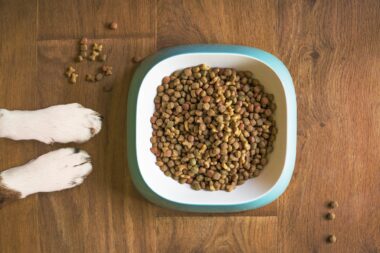
Many proponents of raw feeding cite anecdotal evidence and personal experiences to support their claims. Still, it’s essential to approach this trend with scientific scrutiny. Research on raw diets contains mixed results; some studies suggest benefits, while others emphasize risks. Consulting available literature is critical for understanding the full impact of a raw diet. Additionally, many vets may advocate for commercial pet foods that meet stringent health regulations. Quality kibble and wet food undergo tests to ensure they’re safe and nutritionally balanced. These canned or dried foods can also offer more convenience for busy owners. For those wanting to provide home-prepared meals, it’s possible to cook meats and grains. Cooking can eliminate pathogens and ensure that food is safe to eat, without drastically changing dogs’ diets from natural ingredients. Combining both commercial and home-prepared meals can ensure balanced nutrition with fewer risks compared to raw feeding. Owners should research and explore diverse options to provide the best diet for their pets while maintaining pet safety as a priority. Balancing pet nutritional needs is ultimately a shared responsibility.
While some dog owners may swear by raw feeding, it is imperative to consider the bigger picture regarding their pet’s overall health and safety. Weighing the pros and cons provides vital insights into whether raw feeding is a suitable choice. Engaging in conversations with fellow owners and professionals can illuminate different perspectives and experiences, further informing your decision. It is essential to educate yourself about canine nutrition and trends, as well as potential risks. Becoming a responsible dog owner means making choices grounded in knowledge and science rather than trends. Involving veterinarians ensures that you’re making the best possible decisions for your pet. Always seek to prevent potential health issues and promote longevity through the right diet. Observing your pet’s behavior and health should guide your dietary choices. Ultimately, the aim is to foster a healthy, happy, and well-nourished dog that thrives on a balanced diet. Understanding the risks of raw feeding is a crucial aspect of responsible pet ownership. When in doubt, consider the welfare of your furry friend and choose safer, nutritionally adequate methods.
Conclusion on Raw Feeding
In conclusion, while the trend of raw feeding has its fans, it carries undeniable risks that can impact both pets and their owners. Ensuring overall health means prioritizing safe feeding practices and understanding canine dietary needs. Always engage with veterinary services and tap into the vast pool of resources available, including books, podcasts, and reputable online content. By doing so, you equip yourself with necessary knowledge to make informed choices for your pet. Numerous alternatives present themselves, combining convenience, safety, and nutrition while avoiding the complications tied to raw diets. Most importantly, being a responsible pet owner means being vigilant and dedicated to your dog’s well-being. Observe your pet closely during diet changes, and maintain open lines of communication with veterinarians. Always honor your pet’s unique needs and circumstances, tailoring their diets accordingly. Educating yourself on best practices ensures a bright and healthy future for your dog, fostering a loving and secure environment. Remember, the love you share with your dog is showcased in your dedication to their overall health and safety. Make each meal count toward a healthier life!
In summary, dog safety during feeding practices is of utmost importance. It’s essential to consider nutritional balance, food handling, and potential risks. By staying informed, consulting professionals, and observing your pet’s health, you can provide the best dietary decisions for your furry friend.