
Case Studies on Indoor Cats and Their Exercise Routines
Indoor cats often lead sedentary lifestyles, which can lead to obesity and health issues. Understanding exercise routines through various case studies helps owners create engaging environments. For instance, one case study involved a Bengal cat named Leo. His owners incorporated interactive toys like feather wands and laser pointers into his daily routine. This not only stimulated Leo physically but also mentally, as he loved the chase. Each session lasted about 30 minutes, focusing on short bursts of energetic play. This approach prevented boredom and encouraged Leo’s natural hunting instincts. Furthermore, the study highlighted the importance of varying types of play, such as puzzle feeders, which engage cats in problem-solving. Not only do these toys offer physical activity, but also promote cognitive skills. Owners observed that Leo would actively seek out paths that led to hidden treats, making exercise rewarding. The experience demonstrates the benefits of enriched environment for indoor cats. By providing stimulating activities, cat owners can mitigate health issues, improve behavior, and enhance their pet’s quality of life.
Another compelling case study focused on a fluffy Maine Coon named Bella. Bella’s owner realized her cat was not getting enough exercise due to limited indoor space. To address this, the owner created a cat obstacle course using everyday furniture. The course included jumping from the couch to the dining table, climbing shelves, and crawling through tunnels. This environment proved effective, as Bella became more active, agile, and adventurous. The owner reported that Bella resumed her kitten-like energy after about two weeks of daily workouts. To enhance the experience, she introduced timed challenges, rewarding Bella with treats after completing each run. Such activities not only maintained Bella’s physical health but also strengthened the human-animal bond, as they enjoyed the playtime together. The study demonstrated how creativity can transform a static space into an opportunity for activity and exercise. Owners can easily replicate this effort by using objects in their homes. A small investment in time and imagination leads to healthier, happier cats who lead enriched lives. Tailoring exercise to a cat’s preferences can have lasting effects on their well-being.
Utilizing Technology for Exercise
With the rise of technology, many cat owners are incorporating digital devices to maintain their indoor cats’ fitness. One fascinating case study involved a Siamese cat named Max, whose owner utilized an automated laser toy. This device allowed Max to engage in numerous minutes of play without any assistance, promoting exercise throughout the day. The owner noticed significant changes in Max’s behavior; he became more active and less prone to destructive tendencies. The autonomous activity provided Max with the sensory stimulation he craved, more than manual play could. Furthermore, the combination of automated toys with scheduled feeding routines contributed to Max’s overall health. Results from this study revealed that tech-assisted play could reduce obesity rates among indoor pets. Furthermore, as kittens require different exercise levels, the toy’s settings could be adjusted for Max at various stages of life. Ultimately, this case demonstrates how devices may support cat owners in encouraging regular exercise while fostering growth and curiosity in their pets. The integration of technology into play offers a fantastic solution for busy owners wanting to provide their cats with fulfilling experiences.
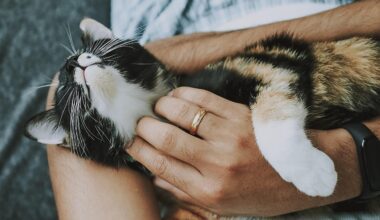
Another notable case involved a calico cat called Rosie, who suffered from mild arthritis. Rosie’s owner wanted to keep her active while not overexerting her. To develop a safe exercise routine, they consulted a veterinarian. They recommended gentle stretching and low-impact activities. The plan involved short play sessions comprising 10 minutes of slow moving toys, such as rolling balls filled with treats, which Rosie could chase without strain. This approach allowed her to stay engaged and mobile while accommodating her physical limitations. Each week, Rosie’s owner progressively increased the length of the play sessions, observing how Rosie adapted to the routine. To ensure variety, the owner incorporated puzzle toys that stimulated Rosie’s mind while encouraging mild physical activity. Results indicated that Rosie exhibited improved range of motion and mood, while reducing stiffness. This case successfully highlights the necessity of adapting exercise routines according to individual cat health needs. Owners should prioritize their pet’s comfort and health while still providing opportunities for physical activity. By listening to their cat’s needs and abilities, owners can create enjoyable and effective exercise plans.
The Role of Social Interaction in Exercise
A key factor in promoting exercise among indoor cats is social interaction. A study involving a playful Ragdoll named Cuddles demonstrated this dynamic effectively. Cuddles thrived on interaction with her owner and even other pets in the household. The owner incorporated aspects of social play into Cuddles’ exercise habits by scheduling interactive playdates with other cats. During these gatherings, the cats engaged in a variety of fun activities, including chase games and mutual grooming sessions. Such interactions encouraged the cats to expend energy while promoting positive social behaviors. Additionally, Cuddles’ owner participated actively, ensuring she was engaged in the playtime. Over time, it was observed that Cuddles lost weight while gaining muscle tone, significantly improving her physical health. The element of competition in friendly play kept her motivated, eager to chase her playmates. This underscores the importance of social interaction in achieving an active lifestyle for indoor cats. Owners are encouraged to understand their cats’ social needs, fostering friendships that lead to communal playtime, enhancing overall well-being and happiness.
Lastly, a case study involving an older cat named Shadow showcased important lessons about exercise and aging. Shadow’s owner faced challenges keeping him engaged, as Shadow often preferred lounging about. After consulting a veterinarian, the owner was advised to incorporate gentle exercises tailored for senior cats. They developed a routine that involved slow-paced activities, including short distances of walking and light play sessions with small, soft toys. This exercise plan sought to avoid fatigue while promoting mobility. It progressed gradually, allowing Shadow to adapt comfortably. The owner noted improvements in Shadow’s energy levels and willingness to engage, which greatly pleased them both. Interactive feeding programs that encouraged light movement were also utilized. Treats would be placed in different areas, encouraging Shadow to seek them out without strain. This study illustrates the necessity of adjusting exercise routines based on a cat’s age and physical ability. Owners should remain flexible, understanding that older cats may need different approaches in exercise that prioritize their safety and comfort, thus ensuring their enjoyment and health.
Conclusion: Creating a Diverse Exercise Routine
These case studies provide insightful analysis on the importance of exercise routines for indoor cats. Learning how to keep indoor cats active requires creativity, adaptability, and attentiveness to their unique personalities and needs. Whether it’s through interactive toys, obstacle courses, tech-assisted play, social engagement, or gentle exercises, each cat can find enjoyment in movement. Owners are encouraged to observe their cats closely, using these insights to develop personalized plans that keep them vibrant and healthy. The benefits of an engaging exercise routine extend beyond physical fitness; enriched environments lead to happier behaviors, reduced stress levels, and improved quality of life. A diverse range of activities allows cat owners to establish a fun atmosphere that reinforces the bond shared with their pets. As cats thrive on mental and physical stimulation, prioritizing their need for exercise is essential. Therefore, it is vital that owners creatively and proactively address their indoor cats’ exercise needs, ensuring their happy, healthy lives within the cozy confines of home.
In summary, understanding how to adapt various exercise methods while considering case studies of cats reveals an insightful path for improving feline health. Implementing strategies that enrich indoor life creates a vibrant and dynamic living environment for cats. These emphases on playful engagement nurture their natural instincts, leading to overall well-being. By focusing on innovative behaviors through play, cat owners can cultivate healthier, happier felines as companions.