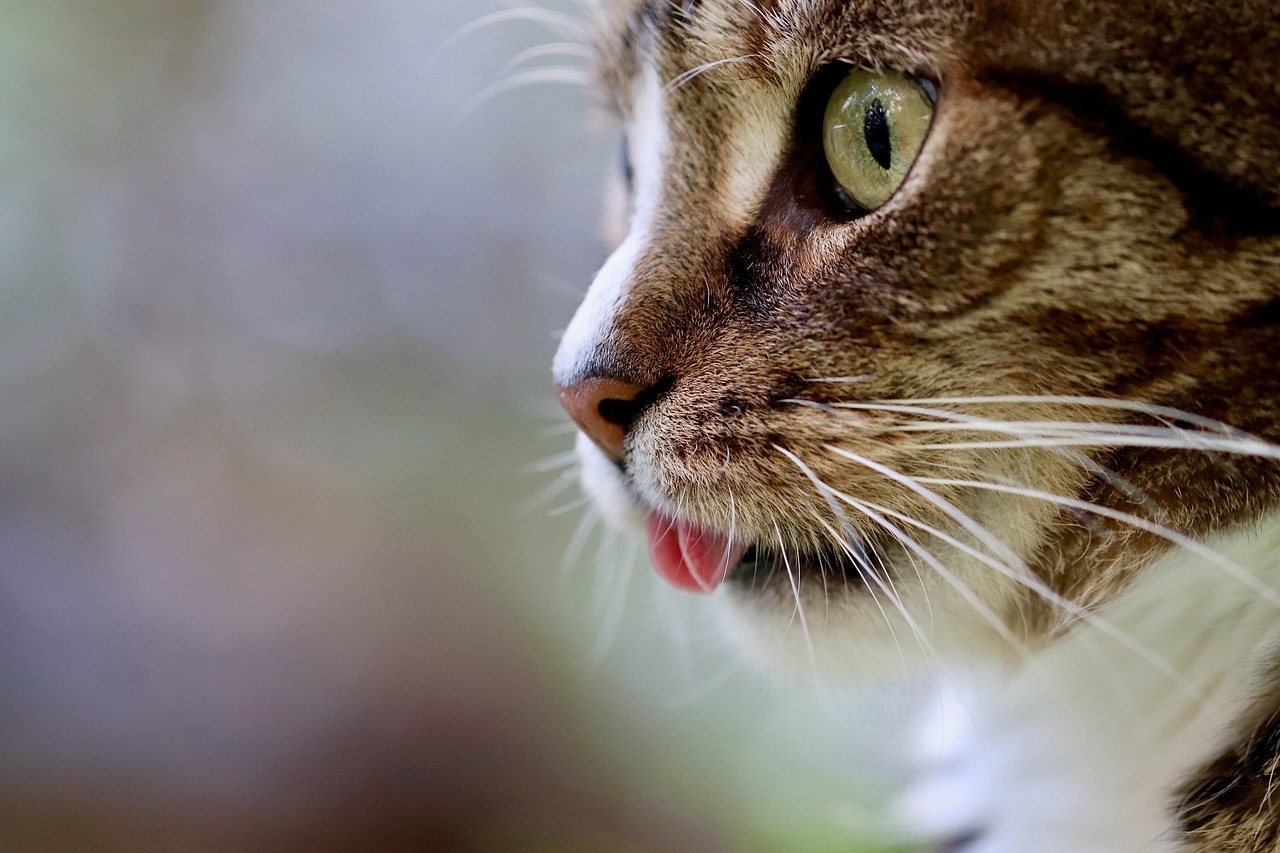

The Impact of Neutering on Cat Social Behavior
Neutering, the surgical removal of a cat’s reproductive organs, has significant implications for a cat’s social behavior. This procedure alters hormonal levels, which can affect how cats interact with each other and with humans. One of the primary changes observed post-neutering is a decrease in aggressive behavior, particularly among males. After neutering, male cats often exhibit less territoriality, leading to fewer fights and disputes over resources. Additionally, this adjustment can enhance social bonding within multi-cat households. Neutering may also influence vocalization patterns, as neutered cats tend to be quieter. Furthermore, it reduces roaming behaviors, which can lead to more time spent in their home environment, allowing for more socialization with human caregivers. These changes promote a more relaxed demeanor, making neutered cats easier to handle and more affectionate towards their owners. Regular social interactions are vital for a cat’s overall well-being. Implementing play sessions or interactive toys can further enhance their engagement levels. Educating cat owners about these behavioral changes encourages responsible pet ownership while improving the quality of life for both the owner and their feline companions.
Socialization and Neutering
Socialization is critical to a cat’s development, particularly during its early stages. Neutering can facilitate positive interactions as it decreases competitive instincts. Kittens that are neutered may develop enhanced social skills compared to their unaltered peers. These alterations allow them to form more stable social structures within households, creating harmony among multiple pets. Furthermore, when introduced to new environments, neutered cats often display less anxiety. This reduced stress level encourages them to explore and interact with new people and animals, consequently fostering confidence. Regular, structured socialization leads to well-adjusted adult cats, increasing their adaptability to various situations. Owners should prioritize early social exposure, such as arranging playdates with other pets and regularly interacting with their kittens. The absence of aggressive behaviors allows kittens to communicate effectively through body language and vocalizations, essential components for developing healthy relationships. Non-aggressive play helps cats learn boundaries, leading to more significant opportunities for social engagement later in life. Maintaining these practices contributes to their emotional health, resulting in a more balanced presence in the home. Moreover, neutered cats often display improved handling during veterinary visits due to familiarity with interactions.
Adopting a neutered cat can significantly impact the dynamics of existing pets in the home. Neutering often results in lower stress levels, which contributes to smoother social integration processes. In multi-cat households, neutered cats are generally more amenable to sharing resources such as litter boxes and food dishes. Lowered aggression and higher affinity increase the overall quality of life among all household pets. Educational programs for cat owners highlight the importance of neutering, showcasing the benefits that extend beyond single-cat households. It’s essential for owners to understand the importance of monitoring interactions between pets, especially during the introduction phase. Gradual integration with positive reinforcement techniques can further enhance cooperative behavior among pets. Providing separate spaces enhances comfort levels, resulting in a more positive social experience. Neutered cats are less likely to exhibit marking behaviors. Behavioral changes linked to neutering contribute positively to the overall environment, making it easier for households to incorporate new members. Owners can assist the adjustment process by creating structured schedules around feeding, play, and grooming that promote positive interactions between pets. As a result, multi-pet households benefit significantly from adopting neutered animals, offering an enjoyable home atmosphere for all.
Long-term Effects of Neutering
The long-term effects of neutering extend beyond immediate behavior modifications. Over time, neutering creates lasting impacts on female cats as well, reducing the chances of development of certain health issues related to reproduction. For instance, spayed females are less prone to developing uterine infections and certain types of cancers, enhancing longevity. Understanding these benefits helps cat owners make informed decisions regarding their pet’s health and well-being. These health advantages can have an indirect effect on behavior as healthier cats tend to engage more actively in social interactions. Creating a supportive environment that emphasizes regular veterinary check-ups can ensure that neutered cats maintain their improved behavior. Owners should also be aware of dietary adjustments post-neutering that promote a healthy weight and lifestyle. A proper diet promotes better energetic behavior, enabling cats to engage in play activities. Engaging in regular playtime routines helps maintain their social skills. Positive habits nurtured through long-term care will yield excellent behavioral results as neutered cats age. Furthermore, socialization and adequate exercise together bolster both emotional and physical health, maintaining a cheerful disposition in neutered cats as they mature.
Addressing common misconceptions about neutering can significantly influence perceptions among cat owners. Some pet owners believe that neutering diminishes a cat’s personality, instilling fears that their pet will become lethargic or unplayful. In actuality, neutering usually aligns with enhanced sociability and reduced stress levels. Educating pet owners about these misconceptions is vital in promoting responsible pet ownership. Addressing these concerns within communities can lead to increased adoption rates for neutered cats. Comprehensive educational programs can help dispel myths surrounding neutering, equipping owners with valuable knowledge. Providing fact sheets and hosting community workshops are effective means of exchanging information about the behavioral benefits of neutering. Positive testimonials from satisfied pet owners can serve as powerful tools in altering the narrative about neutering. Owners should be encouraged to share experiences showcasing the behavioral improvements their cats exhibited after the procedure. Increased awareness leads to better decisions for pets and their families in adopting neutered cats. In turn, these cats can experience healthier lifestyles, resulting in treasured lifelong companions. Establishing networks that highlight this information can create a culture of understanding and support within communities.
Behavioral Assessment Tools
Using behavioral assessment tools can help owners understand their neutered cat’s social interactions better. Various observational tools provide insights into relationship dynamics in single or multi-cat homes. These assessments allow owners to evaluate their cats’ behavior changes post-neutering, identifying areas that may require additional attention. For example, behaviors such as aggression or anxiety can be prioritized for training. Recording the frequency of positive and negative interactions allows for tracking progress over time. Keeping an activity log or behavior journal can further assist in documenting changes, helping identify patterns that emerge after the procedure. Utilizing these journals for reporting to veterinarians enhances the care process. Observational sessions can help owners create tailored strategies to improve their cats’ socialization processes. Engaging with professionals or trainers proficient in feline behavior can provide insights into behavioral patterns and effective mitigation strategies. Special workshops on cat behavior can expand knowledge even further. Providing this support encourages responsible pet ownership and empowers owners to foster positive relationships. Investing in these resources demonstrates a commitment to ensuring healthy, happy, and well-socialized cats, benefiting both the cats and their families.
In conclusion, understanding the impact of neutering on cat social behavior is crucial for responsible pet ownership. The positive changes in aggression, territoriality, and social dynamics enhance the quality of life for both pets and their owners. The procedure demonstrates significant long-term health advantages, enabling cats to experience improved socialization and interaction levels throughout their lives. As more pet owners recognize these benefits, there can be a shift towards prioritizing neutering as a standard practice in cat care. Promoting education and awareness about neutering aids in dispelling misconceptions, furthering acceptance within communities. Increased advocacy for neutering also highlights the importance of socialization during a cat’s critical development stages. Utilizing the tools discussed above strengthens the understanding of a pet’s behavior and promotes effective training methods. Cultivating an environment of support for both neutered and unaltered cats leads to healthier relationships. Therefore, addressing social behavior impacts after neutering creates a positive ripple effect within communities. Ultimately, investing in a cat’s wellbeing results in lasting, rewarding companionship that enhances the lives of both cats and their owners.
Further Reading on Cat Behavior
For those interested in exploring more about cat behavior and the impact of neutering, numerous resources and literature are available. Understanding feline psychology could provide valuable insights and practical advice for cat owners seeking to nurture positive behaviors. Well-respected books and articles can serve as exceptional resources for in-depth knowledge. Engaging with materials written by veterinarians and feline behaviorists ensures owners access expert knowledge. Official websites offer evidence-based information outlining the benefits and effects of neutering on cat behavior. Additionally, following blogs and forums with active community engagement can lead to shared experiences that further enrich the understanding of cat behavior. Joining social media groups dedicated to cat advocacy enhances learning experiences as the community exchanges tips and advice. Attending local workshops can provide hands-on experiences to enhance interactions with cats. Furthermore, the collective knowledge garnered from each source adds dimension to understanding feline behavior over time. Encouraging owners to seek further education fosters a culture of responsible pet ownership focused on the well-being of cats. This commitment to understanding cats promotes peaceful coexistence and elevates the status of cats in our homes and lives.