
Creative Angles to Showcase Dog Sports Action
Capturing dog sports action can be an exhilarating experience that requires a unique set of skills and a creative vision. Utilizing different angles is vital to showcase the energy and enthusiasm of these remarkable athletes. First, consider the eye-level perspective. This usually means getting down on the field with the dogs while they are engaged in their respective sports. This brings the viewer closer to the action, making them feel as if they are part of the race, agility competition, or flyball event. Next, shooting from a low angle can impart a sense of power, emphasizing the athletes’ physical prowess. Don’t hesitate to experiment with varying distances; tight close-ups can highlight expressions and movements, such as a dog’s intense focus or a sudden burst of acceleration. Likewise, capturing the entire scene from a distance can offer context, helping viewers better understand the atmosphere of the event. Above all, mastering these techniques requires patience and practice to create stunning images that resonate emotionally with audiences.
Lighting plays a crucial role in photography, especially when depicting fast-paced dog sports. Examine the natural light available at your shooting location, as it profoundly affects the outcome. Early mornings or late afternoons often yield the best results due to the golden hour effect, where the soft, warm light creates beautiful shadows and highlights. It’s essential to keep an eye on the weather when planning your shoot; overcast days can produce even lighting, reducing harsh contrasts and helping to highlight the dogs’ features without glare. Adjusting your camera settings can also enhance image quality. Use a fast shutter speed to capture quick movements without motion blur, ensuring clarity in every shot. Experimenting with the aperture allows you to control how much background blur you want. This ensures the focus stays on the athletes during heightened action moments. Don’t forget to utilize bursts—shooting in rapid succession captures multiple frames, increasing your chances of obtaining that perfect shot. It requires practice, so keep experimenting until you find your unique style.
Composition Techniques
In dog sports photography, composition techniques can significantly elevate the quality of your images. Start by utilizing the rule of thirds, which suggests imagining your frame divided into a grid of nine equal sections. Positioning your subject along these lines or at their intersections creates a more balanced and engaging photograph. Utilize leading lines in your composition, such as an agility tunnel or a racing pathway, drawing the viewer’s eyes toward the subject. These pathways create a sense of movement and can provide context that enhances the narrative of your image. Framing your shot is another effective way to draw attention to your subject; natural elements such as trees or fences can act as frames. Additionally, incorporating foreground elements provides depth, contributing to a more immersive visual experience. Remember to eliminate distractions in the background, focusing attention on the action. Experiment with these techniques while remaining flexible, as the dynamic nature of dog sports can offer unexpected opportunities for creative compositions that may surprise you.
Another essential aspect of dog sports photography is understanding the unique expressions and emotions of the athletes. Every dog displays a range of emotions during these competitive moments, from excitement to concentration. Capturing these expressions not only showcases their personalities but also tells a story that resonates with viewers. One technique for highlighting expressions is to focus on the dog’s eyes, as they often reflect their enthusiasm and intensity. Use a telephoto lens if you’re at a distance, allowing you to zoom in without sacrificing image clarity. Additionally, candid shots of dogs interacting with their handlers or during rests between events can reveal their character and create relatable moments. Anticipating behavior is crucial; knowing common traits in specific breeds or sports can help you be ready for peak moments. Remember to remain patient and remain still to avoid startling the dogs, enabling more authentic expressions to transpire naturally. Emphasizing the human-animal bond in your photography can create emotionally charged images that deeply connect with your audience.
Dynamic Action Shots
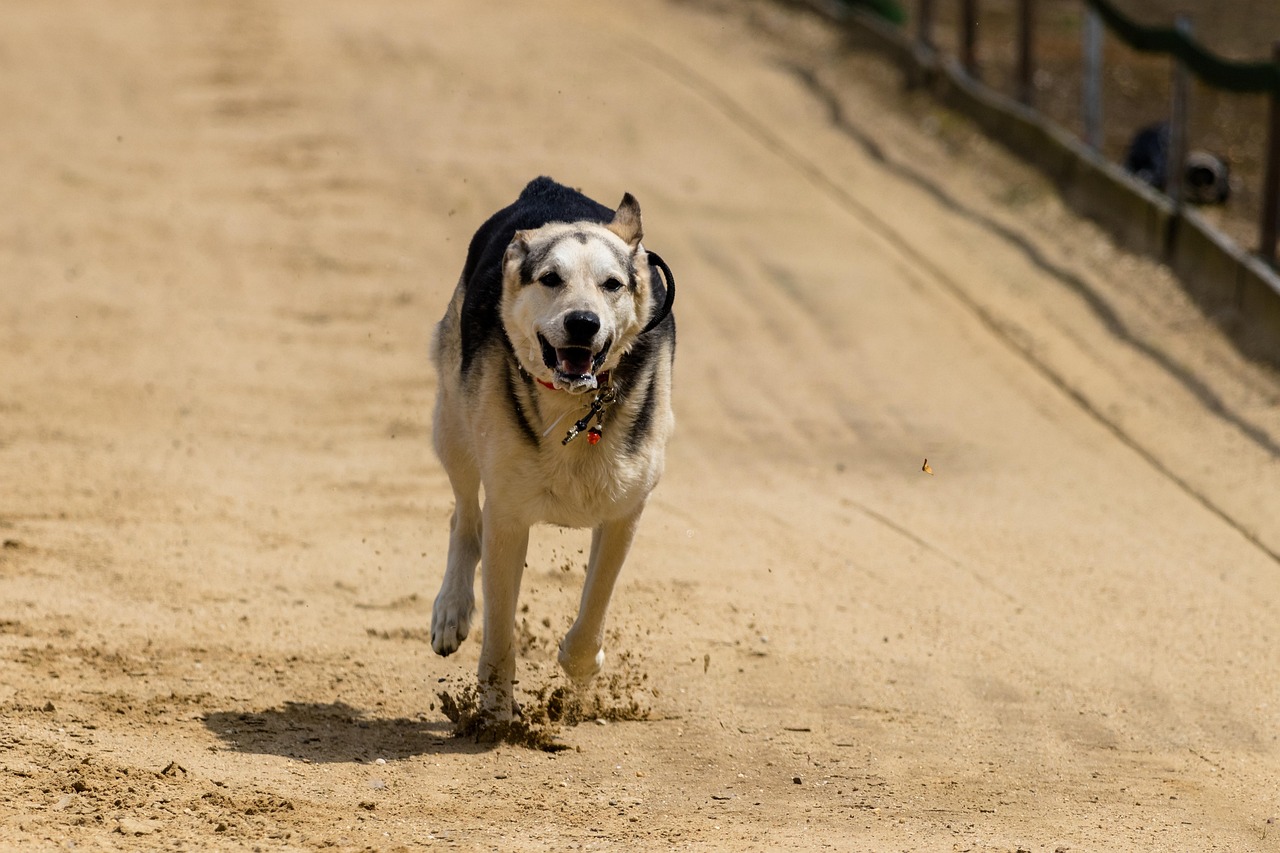
Dynamic action shots are what make dog sports photography thrilling and unique. These photographs encapsulate the vitality and speed of the athletes, leaving viewers in awe of their capabilities. To achieve these exciting images, you must anticipate the action. Understanding the sport’s dynamics allows you to predict when the moment of action will occur. Use burst mode to capture several frames in rapid succession, ensuring you don’t miss that perfect leap, race, or jump. It’s essential to maintain a fast shutter speed to freeze movements effectively. Typically, shutter speeds of 1/1000 seconds or faster are recommended for photographing fast-moving subjects like dogs. Keeping your camera steady while focusing on fast action requires practice; consider using a monopod or tripod to enhance stability. Following the dogs with your lens also helps; practice panning techniques, wherein you smoothly move your camera in the same direction as your subject. This can create an exciting backdrop blur while maintaining clarity on the dog, emphasizing speed and action. Your goal should be to convey the excitement of the sport through vibrant, action-packed imagery.
Post-processing is crucial in dog sports photography, allowing you to enhance and refine your images to perfection. After capturing those dynamic moments, the editing phase is where the photos truly come to life. Utilizing software like Adobe Lightroom or Photoshop can provide several options to adjust lighting, contrast, and colors. Always start by cropping to enhance composition. Slightly adjusting the exposure can brighten shadows or tone down harsh highlights, creating a balanced image that showcases details. Noise reduction tools are also invaluable when it comes to images taken in low light, helping your photos maintain clarity. Pay attention to color correction, as the accuracy of fur tones can significantly impact the image’s overall feel. Don’t shy away from adding a bit of sharpening to highlight the dogs’ features better. While editing, remember to retain a natural look; over-processing may detract from the authenticity of the sporting spirit. The goal is to enhance, not alter, your breathtaking captures, ensuring they resonate with all who view your photographs.
Sharing Your Work
Once you’ve refined your captures through editing, sharing your work is a vital step in building your portfolio and engaging with a wider audience. Utilizing social media platforms can be an excellent way to showcase your photography. Instagram, for instance, provides an ideal platform for visually-driven content where you can engage with fellow enthusiasts and create a following. When posting your images, include relevant hashtags such as #DogSportsPhotography or #DogAgility to increase visibility. Consider joining photography communities or groups focused on pet photography to share your work and receive constructive feedback. Many dog sports events also have dedicated pages or forums where photographers can share their images and even network. Creating a personal website can serve as a professional portfolio to showcase your best work comprehensively. Also, exhibit at local dog shows or events where you can display printed photos. Ultimately, sharing your passion and talent for dog sports photography can inspire others and build connections within the dog sports community, fostering engagement and artistic growth.
Remember: the journey in dog sports photography is continuous, reflecting your growth and artistic abilities. Each event you photograph offers new challenges and experiences that enrich your skills. There’s always something fresh and exciting to capture; be it a dog’s unwavering focus during a challenging agility course or the pure joy of a winning race. Stay motivated and be open to experimentation with different techniques, angles, and settings. Embrace every opportunity to learn from each event and apply feedback to improve your skills. Building a unique style will come with time as you discover what resonates with you and your audience. Photographing dog sports is not only about capturing action-packed moments; it’s about telling stories through images that resonate deeply with viewers. As you immerse yourself in this creative journey, constantly seek inspiration from other photographers, attend workshops, and engage with fellow enthusiasts. Each moment spent behind the camera is a chance to grow. As you hone your skills and add nuance to your art, your photography will surely flourish, reflecting the passion and energy of the sport you love.