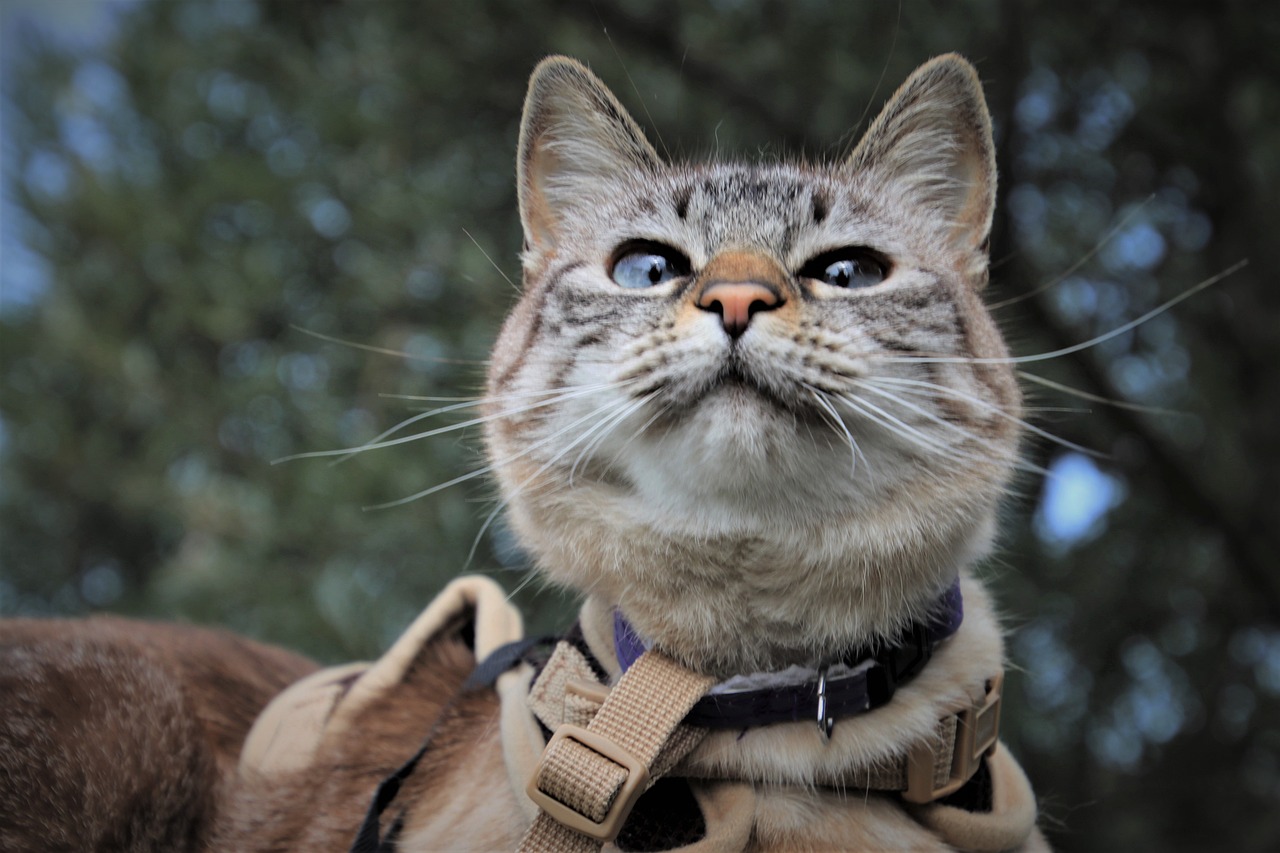

Leash Walking and Socialization Tips for Cats
Walking your cat on a leash can be both a rewarding and challenging experience. It opens up opportunities for outdoor adventures while ensuring the safety of your pet. To begin, select a proper leash and harness designed specifically for felines. Using a harness helps distribute pressure and prevents escape. Start with a lightweight leash that allows for ease of movement. Encourage your cat to get accustomed to the harness indoors before venturing outside. Use treats and positive reinforcement to create a pleasant association with this gear. Allow your cat to explore your home with it on, gradually increasing the time spent wearing it. This builds their confidence and comfort levels with the setup. Once your cat is relaxed, you can take short excursions outdoors. Observe their behavior, ensuring that the environment isn’t overly stressful or intimidating. Always monitor their reactions and adjust as necessary. Keep the walks short initially, and gradually increase the distance as your cat becomes more comfortable with the outdoors. Remember, patience and consistency are key in leash training. Whether in the backyard or at a local park, ensure your cat enjoys the experience together.
The Benefits of Leash Training
Leash training provides numerous benefits for both you and your feline companion. Firstly, it promotes physical exercise, essential for your cat’s health. Cats often become sedentary, leading to obesity and related health issues. By walking your cat, you encourage them to move and engage with their surroundings. Secondly, leash walking also helps in stimulating their minds. Exposure to different scents, sounds, and sights is mentally enriching. This exploration helps reduce behavioral problems linked to boredom, such as excessive scratching or meowing, while keeping your cat engaged. Moreover, leash training fosters a deeper bond between you and your cat. It encourages trust and promotes socialization, as they learn to navigate various environments with you. This experience enables you to introduce them to new animals and people, reducing fear of the unknown. Lastly, it enhances safety, as your cat is less likely to dart off into traffic or unfamiliar territories. With these combined benefits, leash training is a wonderful way to enhance the overall well-being of your cat, making it a valuable addition to their routine. As both an adventure and a bonding experience, it is something worth trying.
A crucial element in successful leash walking is understanding your cat’s personality and temperament. While some cats may eagerly embrace walking outdoors, others may be more hesitant or fearful. It’s crucial to respect their comfort zones. Before embarking on your leash training journey, observe your cat’s behavior in new situations. Are they confident and curious, or do they shy away from exploration? These observations will guide you in developing a tailored approach. When you notice signs of anxiety—such as flattening ears or tail tucking—allow your cat to become familiar with their surroundings at their pace. Be patient; never force them if they resist. Instead, create a positive environment by offering treats and encouragement when they venture outside. Understanding your cat’s body language can significantly help in ensuring a successful experience. Utilize calming techniques, such as soft-spoken words and gentle pats, to help reassure your feline friend during their walks. The goal is to help them feel secure and reduce any anxiety. Over time, and with your support, your cat may begin to enjoy their leash walks, embracing newfound adventures and experiences.
Choosing the Right Gear
Selecting the right gear is essential for a smooth and enjoyable walking experience with your cat. Start by investing in a well-fitting harness designed specifically for cats. Unlike collars, harnesses provide better control and reduce the risk of escape. Look for a harness that distributes pressure evenly across your cat’s body to ensure their comfort and safety. Adjustability is key; make sure it fits snugly but doesn’t restrict their movement. Next, consider the leash length. A standard six-foot leash usually works well, allowing your cat to explore while providing enough control. Opt for a lightweight material that won’t weigh them down during walks. In addition to the harness and leash, you may want to include a reflective vest or collar for safety during evening outings. Don’t forget to pack essentials like water and take breaks as needed. Carry treats to reward your cat for good behavior, further enhancing their positive association with leash walks. Finally, enjoy the moments together while adventuring outdoors. With the right gear and preparation, you can ensure that your cat will have a fun and comfortable experience.
Additionally, socialization during leash walks can significantly improve your cat’s interactions with other pets and people. Gradual exposure to new experiences helps build their confidence. As your cat becomes accustomed to outdoor walking, introduce them to various environments, such as parks, quieter streets, or even pet-friendly events. Keep the experiences positive by allowing them to take breaks or retreat to a safe distance if they feel overwhelmed. Use treats as rewards for calm behavior when encountering new stimuli, like other cats or dogs. This process is vital, as it reinforces your cat’s positive experiences outside the home. Remember to keep walks within manageable durations; too long or intense strolls can lead to stress. Encourage curiosity by allowing them to stop and sniff around. Observe their body language and eliminate situations that appear too stressful. The goal is to create enjoyable outings that serve as rewarding encounters for your cat. Take your time with this process, ensuring you celebrate even the smallest victories. With practice, your cat may develop less fear and increased enjoyment of social environments during leash walks.
Tips for Positive Leash Walking
Creating positive experiences during leash walks involves patience and various techniques. A successful tip is to start with trials in a safe, distraction-free area. This familiar space allows your cat to adjust without overwhelming stimuli. Gradually introduce them to slightly busier environments once they feel comfortable. Consistency also plays a role; choose specific walking routes and times to help your cat adapt to a routine. Don’t rush the process; allow your cat to explore at their pace. Use treats generously to reward them for positive behavior throughout the walks. When they remain calm or venture towards new sights, offer praise or a small snack. Incorporate play into your outings with interactive toys to keep them engaged. Additionally, maintain a relaxed mood during walks; your emotions can influence how your cat reacts. Praise soft, comforting sounds can reassure your cat when facing unusual encounters. If your cat appears nervous, give them a moment to regroup before proceeding. As a team, share adventures that encourage curiosity and excitement in outdoor exploration, enhancing their leash walking experience overall.
Lastly, evening walks can be an enjoyable alternative, but they come with specific considerations. As the sun sets, visibility reduces, which may impact your cat’s confidence. Before embarking on night walks, ensure enough ambient light and choose familiar paths. Consider putting a reflective collar or leash on your cat to enhance their visibility during outings. Light-up collars are also popular options for nighttime visibility. Despite these adjustments, be vigilant; nighttime activities might attract unwelcome wildlife that could cause anxiety or distress. Monitor your cat closely and be prepared to change directions if needed. Just as during daytime walks, observe your cat’s reactions and adjust the duration and area based on their comfort levels. Night walks can ultimately offer a different adventure by unveiling new sights, but prioritize their safety and comfort. In conclusion, both daytime and nighttime walks can be highly enjoyable when approached thoughtfully. Enjoy the bonding moments with your cat as you explore different paths together, nurturing their confidence and expanding their horizons.
This article concludes by emphasizing the importance of walking your cat on a leash. Beyond mere exercise, it fosters a special bond between you and your feline friend. By following the tips and techniques outlined in this guide, both you and your cat can make the most of outdoor adventures together. Remember the significance of selecting appropriate gear, understanding their personality, and incorporating rewarding experiences during walks. With patience, enthusiasm, and love, your cat’s leash walking could become an exciting routine that enhances their quality of life. Not only does this practice improve their physical condition, but it also contributes to their mental well-being by exposing them to diverse experiences. As with any training process, consistency, and small steps lead to success. Celebrate their achievements along the way, showcasing their growing confidence with each adventure. So, grab that leash and venture into the great outdoors with your cat, unlocking new moments of joy and discovery together. The world is filled with opportunities for exploration, and each walk will foster a deeper connection between you and your beloved pet.