
Understanding Breed Standards in Show Dog Grooming
Grooming for dog shows is not just about appearance; it heavily relies on breed standards set by various kennel clubs. Each breed’s standard defines ideal characteristics, which directly influence grooming techniques. When preparing a dog for a show, thorough knowledge of these standards is crucial. Grooming helps showcase each breed’s unique traits, from coat texture to specific markings. For instance, some breeds like the Poodle require elaborate haircuts that highlight their breed-specific qualities. Moreover, understanding the breed standard assists in enhancing the dog’s natural beauty while maintaining its authenticity. Groomers must strike a balance between artistic expression and standard adherence to avoid deviations that judges may penalize during competitions. Essential tools for achieving the perfect look include specialized brushes, scissors, and combs tailored for the breed’s coat type. Depending on the requirements, additional products like conditioners or styling sprays may also be essential for achieving a winning look. Attending grooming seminars or workshops dedicated to breed standards can provide invaluable insights for groomers. Being well-versed in these aspects can significantly facilitate a groomer’s journey in ensuring a memorable appearance for show dogs. Proper grooming plays a key role in show success.
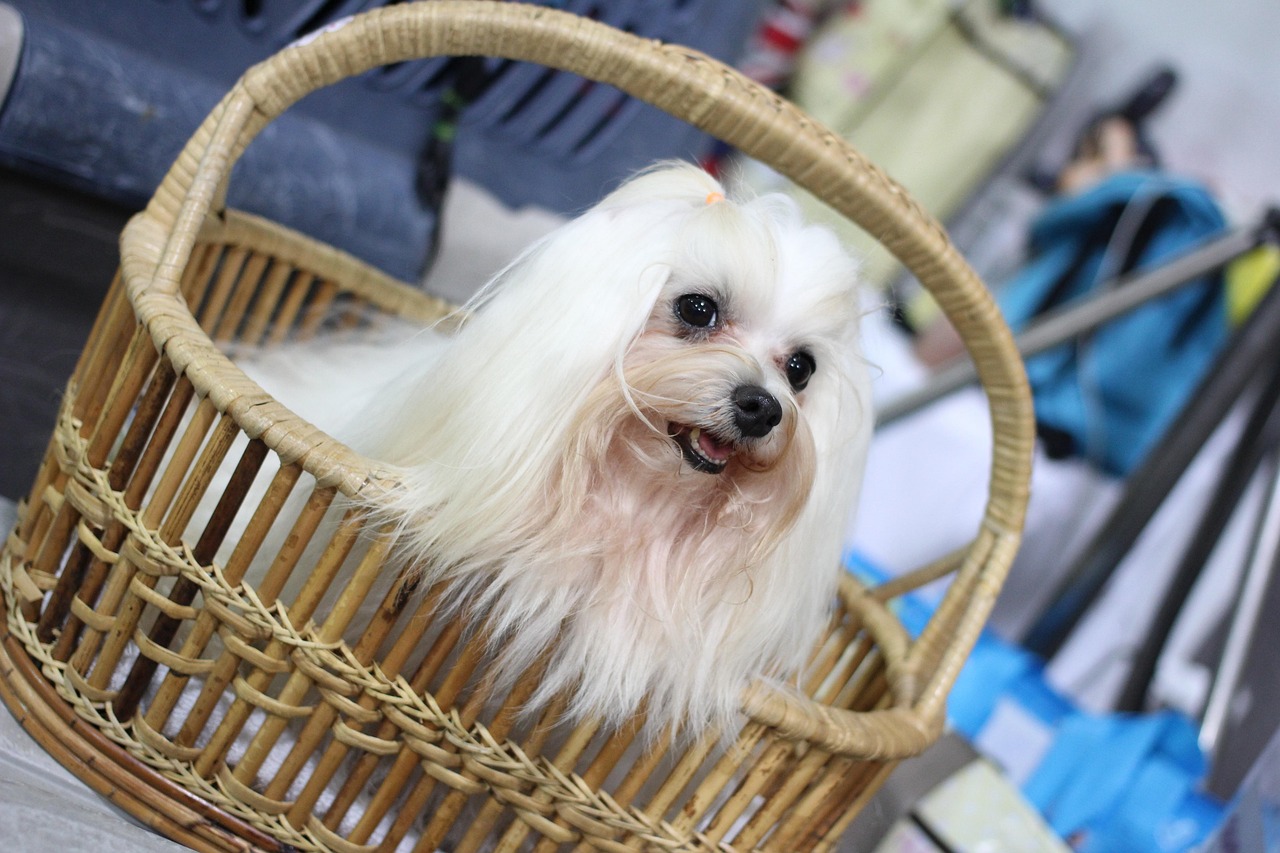
Equally important to grooming is the selection of proper techniques based on the dog’s breed. It is vital for groomers to adapt their methodologies to fit the requirements outlined in breed standards. Experienced groomers often have their unique style, however, they must ensure that it aligns with what is expected for each breed. For instance, the coat of a Golden Retriever requires a different approach than that of a Maltese. It tends to involve more brushing and bathing techniques for the former, while the latter may need a more delicate handling, given the nature of its long, flowing coat. Additionally, some grooming techniques involve hand-stripping, a practice suited for terrier breeds, which helps maintain the texture of their coats. Groomers should also focus on the specific grooming needs that arise according to the season, as some breeds shed more heavily or require cooling treatments in the summer months. A keen ability to recognize the signs of an impending coat change or other grooming issues is essential. Overall, meticulous grooming according to the breed specifics leads to dogs presenting at their best in the show ring, ensuring compliance with judging criteria.
The Role of Texture in Dog Grooming
Another critical aspect of dog grooming for shows involves the texture of the coat. Understanding how texture affects grooming practices is essential to achieving the show-ready look essential for competitions. Various textures may include wiry, silky, or curly, and each requires specific grooming strategies. For example, wire-haired breeds benefit from hand-stripping techniques to maintain their distinctive coat characteristics, as this method helps to preserve the harsh outer coat while promoting a healthy undercoat. In contrast, silky coated breeds such as Yorkshire Terriers require frequent brushing to avoid tangles and to showcase their luxurious, flowing hair. Groomers must be knowledgeable of the use of conditioners and detanglers tailored to the dog’s specific coat texture. Moreover, the frequency and type of grooming will vary between breeds; some require bi-weekly grooming sessions, while others might only need grooming once a month. Groomers should also be aware of how products can affect the overall appearance. Only using recommended products that align with breed standards can make a significant difference in the dog’s show readiness and ensure judges see the dog at its absolute best.
Incorporating breed standards into grooming routines is not only about aesthetics but also encompasses health considerations. A well-groomed dog less prone to health issues will perform better in shows. Regular grooming sessions help in examining a dog’s skin and coat condition, allowing groomers to identify potential problems early. Issues like matting can hide skin infections; thus, attention to detail during grooming can prevent such complications. Furthermore, maintaining regular hygiene practices, such as cleaning ears, trimming nails, and brushing teeth, plays a critical role in overall health. Many judges pay close attention to a dog’s overall health and cleanliness, which can influence their scoring. With various breeds susceptible to distinctive health issues, groomers have a responsibility to know breed-specific health concerns. Using the correct grooming practices not only ensures a breed adheres to show standards but also guarantees a healthy and happy dog. Consequently, informational resources about breed health can be invaluable in maximizing grooming effectiveness. Networking within the grooming community can provide insights beneficial for both dog health and grooming methods, ensuring a win-win situation for participants.
Preparing for the Dog Show Day
Preparation extends beyond grooming; it requires organization and management the day of the dog show. To ensure everything runs smoothly, a detailed checklist can be invaluable. First and foremost, groomers should have all necessary tools ready, including brushes, grooming sprays, and show leads. Having these items on hand in an organized grooming kit saves time and reduces stress on show day. It is equally important to establish a schedule to manage bathing, grooming, and travel times effectively. Planning how long it takes to perform each grooming task allows for well-timed, thorough grooming without the need for rushing. Ensuring the dog is comfortable during the final grooming touch-ups before entering the show ring is essential, as a relaxed dog is more likely to perform better. Also, prepare the dog for potential distractions, such as loud noises or other dogs, by acclimatizing them gradually. Overall, the day before events should involve a comprehensive review of all show requirements and standards. Being well-prepared ultimately enhances the grooming experience and the likelihood of impressive performance and favorable judging outcomes.
Furthermore, maintaining a positive attitude while grooming can significantly affect the dog’s behavior during the show. Groomers need to exhibit calmness and patience; dogs tend to mirror their handlers’ moods. Adopting a methodical approach and ensuring a positive, encouraging atmosphere creates a conducive environment for both groomers and dogs. Utilizing treats or favorite toys during the grooming process can help establish a good rapport and ease anxiety. Additionally, effective communication between all team members is essential for an entertaining and stress-free session. Having specialists for particular breeds can ensure grooming is appropriately tailored to meet all aspects of the show standard. Engaging in regular practice runs at home leading to the actual show day can help diminish the dog’s nerves and build confidence. Moreover, it is critical to review feedback from past shows, as it helps identify any areas for improvement in grooming techniques. Constant learning from previous experiences aids groomers in perfecting their craft, ensuring they meet all expectations set forth by breed standards for success.
Conclusion: Achieving Success in Show Grooming
In conclusion, understanding breed standards is vital for effective dog show grooming. Groomers must devote time to study each breed’s unique characteristics and grooming needs to help their canine companions shine during competitions. Every grooming session should be approached with attention to detail, ensuring that every aspect aligns with the set standards. Both the art and science of grooming play a significant role in how well a dog performs during shows. Consequently, this amalgamation of knowledge leads to improved grooming skills that directly translate into success. Furthermore, collaboration with fellow professionals can enhance grooming outcomes since learning from colleagues allows for idea exchange and better grooming approaches. Engaging in local dog club activities promotes community within the grooming and showing environment, giving groomers chances to bond over shared knowledge. Moreover, taking funding opportunities for ongoing education in grooming techniques keeps groomers updated on industry standards. Continuous improvement remains the hallmark of professional groomers, ultimately benefiting the dogs in their care. Aspiring to meet breed standards ensures incredible outcomes, paving the way for champions in the dog show world, while also instilling a sense of pride in the grooming process.
Furthermore, grooming for dog shows is an evolving practice that reflects trends in canine aesthetics alongside breed standards. Many contemporary grooming techniques have emerged, allowing for innovative styles that align with breed characteristics while showcasing individual personality traits. This adaptability in grooming provides an opportunity for groomers to express creativity while adhering to recognized standards. Collaborating with experienced handlers can further introduce innovative ideas into grooming protocols, aligning tradition with modern techniques. Participation in grooming competitions often spurs creative evolution, presenting opportunities for groomers to showcase their skills and receive valuable critiques. These avenues for critique enable groomers to improve and refine their techniques, enhancing their understanding of breed needs. Additionally, enabling clients’ involvement in the grooming process allows them to learn and become more invested in their dogs’ appearances, making the overall experience more satisfying. Consistency remains key to maintaining the ideal image necessary for show success, providing dogs with an edge over competitors. In essence, successfully marrying creativity with adherence to breed standards can create a fantastic synergy, ensuring that groomers and dogs alike thrive in competitive environments.