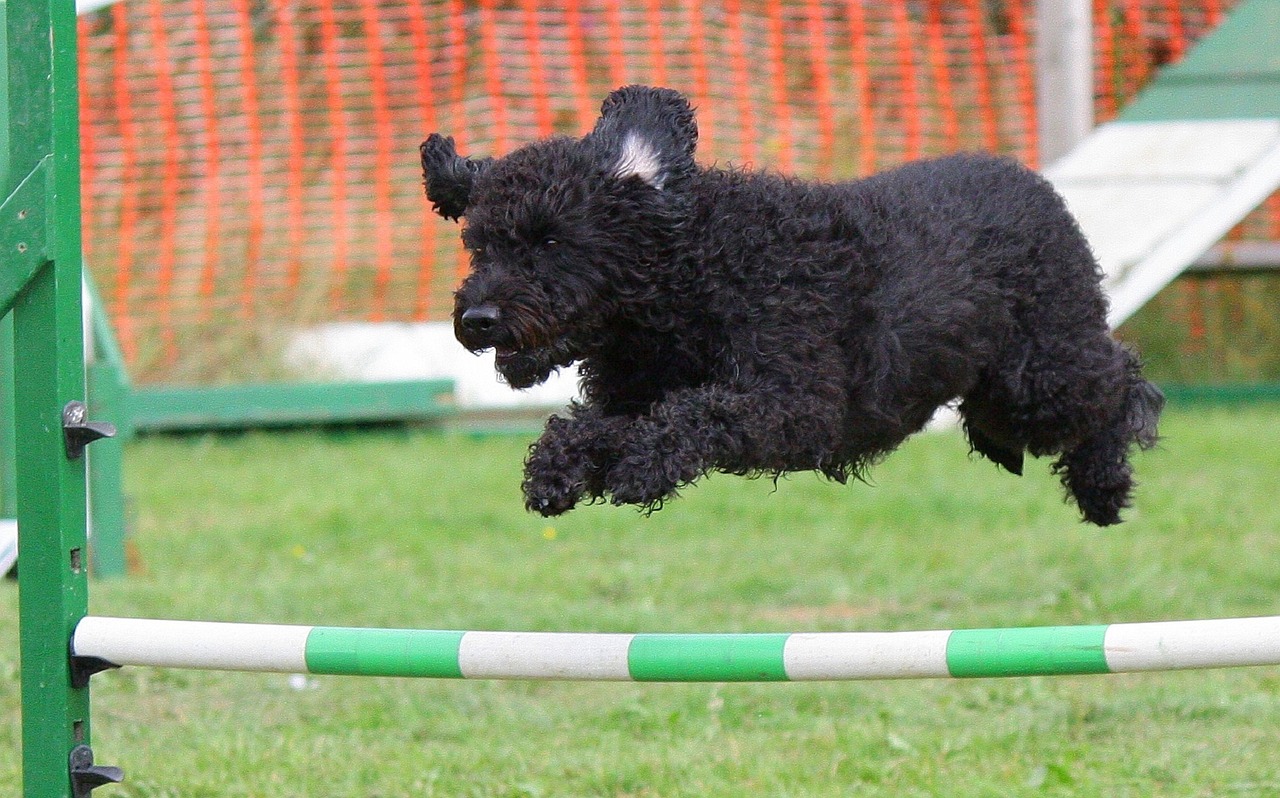

Essential Socialization Milestones Before Starting Agility Training
Dog socialization plays a pivotal role in agility training, ensuring a successful, enjoyable experience for both dog and handler. Effective socialization prepares your dog to perform in various environments, distractions, and situations they may encounter during training sessions and competitions. Start early by exposing puppies to different people, other dogs, and new environments. This helps them build confidence and adaptability, essential traits for agility work. A well-socialized dog is not only easier to train, but they are also more confident and less anxious when faced with challenges. Consider enrolling your dog in classes that focus on socialization, where they can engage with a variety of stimuli. Remember, it’s important to progress at your dog’s pace, gradually increasing the complexity of social situations. Being patient and consistent is key to nurturing their adaptability. Encouraging positive interactions with other dogs will promote good behavior and enhance their training. Flea prevention and basic health care should also be addressed during socialization, ensuring your dog is healthy and happy as they embark on their agility training journey.
Once you’ve established a foundation of basic socialization, it’s important to introduce your dog to agility training equipment. Familiarize them with jumps, tunnels, and various other obstacles in a safe, controlled environment. Doing this will prevent fear or hesitation when your dog encounters them during actual training. To facilitate this process, allow your dog to inspect the equipment at their own pace, rewarding them with treats to create positive associations with the items. Set up a casual agility course in your backyard or local park, which will help your dog transition smoothly from socialization to actual training. Utilize positive reinforcement by rewarding desired behaviors during these exploration sessions. Moreover, engaging in structured playtime with other dogs can further promote confidence while helping them acclimate to the agility obstacles. When they are comfortable, gradually introduce commands and guide them through the course. This will not only improve their agility skills but also deepen the bond between you and your dog. Early exposure to equipment ensures that your dog views training as an enjoyable experience rather than intimidating, leading to more success during their agility journey.
Building Focus and Attention
In addition to exposing your dog to agility equipment, fostering focus and attention is crucial for success in agility training. Dogs need to be able to concentrate on their handlers and the tasks at hand despite distractions. Start by practicing attention-based exercises in various settings, gradually increasing the level of distraction. Use high-value treats or toys to capture and maintain your dog’s focus during these sessions. This not only sharpens their attention but also reinforces the bond between you two. Gradual exposure to different environments is essential, as it helps your dog learn how to ignore distractions while remaining engaged. Start in quieter areas and progressively transition to busier locations as they become more accustomed to focusing on you amidst distractions. Training sessions should be short but frequent to maintain your dog’s interest. Consistent practice in these situations builds confidence and reinforces their ability to concentrate. Introducing focus games, such as ‘find it’ or ‘watch me,’ can be an effective and fun way to enhance their attentiveness. Dogs that successfully learn how to focus will excel in agility training, leading to improved performance.
Another vital aspect of preparing your dog for agility training is exposing them to a variety of sounds and movements. Dogs in agility arenas will encounter many unfamiliar noises ranging from cheering crowds to equipment clattering. Acclimatizing them to these sounds will reduce anxiety when training officially starts. Play recordings of different noises or visit environments where they might hear sounds they are likely to encounter, such as parks and busy streets. This is also a good time to introduce them to other animals, distractions, and people. Early exposure will prevent your dog from becoming startled or distracted later in training. The goal is to cultivate a sense of security and adaptability, enabling your dog to perform their best. While interacting with new sounds or sights, reward your dog for calm behavior to reinforce positive reactions. Keep training sessions varied and engaging, allowing them to explore while learning to focus on you. By normalizing these new experiences, your dog will feel more at ease and confident during actual agility training, contributing to overall success.
Establishing Basic Commands
Before diving into agility training, it’s essential to establish basic commands such as ‘sit,’ ‘stay,’ ‘come,’ and ‘down.’ Mastering these commands lays the groundwork for more complex behaviors that agility training requires. A dog that responds well to basic commands is easier to redirect during training sessions, giving you greater control over their actions. Start with short training sessions focused on each command, always using positive reinforcement like treats or praise to encourage your dog. Incorporate these commands into daily activities varying locations to reinforce their training outside structured sessions. Practicing in various environments helps your dog generalize command recognition, ensuring they respond regardless of distractions. Consistency in your commands is critical, as it allows your dog to recognize and associate them with specific actions. Consider using hand signals along with verbal cues to bolster your dog’s understanding. Over time, as your dog becomes more proficient with these commands, incorporate them into agility exercises, reinforcing their importance for agility success. Having a solid command foundation not only enhances safety but greatly improves training efficiency.
An often overlooked yet vital aspect of socialization before agility training is promoting appropriate play behavior among dogs. Teaching your dog to engage properly with other dogs prevents behavioral issues when they encounter new canine companions during training or competitions. Encourage gentle play and positive interactions with different dogs, watching as they develop their social skills. This preparation earns your dog the ability to handle the excitement and potential stress of agility events gracefully, contributing to a positive experience. If your dog becomes overstimulated or shows signs of aggression, intervene calmly and redirect their behavior, teaching them the right way to interact. Playtime should be structured but fun, fostering confidence and athleticism. Introducing different-sized dogs and various play styles enhances adaptability and encourages good manners. Canine playgroups, training classes, or open dog parks present great opportunities for controlled socialization. Participating in regular play sessions will not only build friendships but will also help your dog learn how to navigate competitive scenarios effectively. A well-socialized dog with good play skills is far more prepared for the rigors of agility training.
Importance of Physical Fitness
Finally, the physical condition of your dog is paramount to enabling them to thrive in agility training. Dogs that are fit and healthy are often more focused and capable of performing various agility tasks. Begin by providing regular exercise through walks, playtime, and other activities that stimulate their physical health. Implementing exercises that promote strength, balance, and coordination, such as fetch or swimming, prepares their body for agility movements extensively. Additionally, proper nutrition plays an essential role in maintaining your dog’s fitness and overall well-being. Consult a veterinarian to create a tailored diet that meets their specific energy needs. Understanding the right balance of proteins, carbohydrates, and fats is crucial for sustaining energy levels during training. Also, keep an eye on their weight, as a dog that is overweight may struggle with agility tasks. By instilling a solid fitness foundation, you prepare your dog for the demands of agility training, leading to improved performance and reduced risk of injury. Cultivating both mental and physical fitness ensures your dog experiences agility training as an engaging, competitive challenge.
In conclusion, the journey to successful agility training begins long before your dog tackles obstacles. Socialization, focus, movement acclimatization, command recognition, appropriate play, and overall fitness are critical pieces of the puzzle. By investing time in each of these areas before starting agility training, you create a well-rounded, confident, and capable dog. These skills don’t develop overnight, so patience and consistency are key. Agility training should be approached as a fun, enjoyable activity for both you and your dog. Setting a strong foundation ensures your dog enjoys the process while achieving success in navigating courses later. Keep training sessions engaging and positive, with regular assessments of your dog’s progress. You will find that a well-prepared dog leads to a more satisfying experience for both handler and hound. Celebrate the milestones your dog achieves, fostering a cheerful atmosphere for continued learning together. Mastering agility requires a collaborative effort of socialization and training experiences akin to a partnership between you and your pet. Finally, don’t forget to have fun during this journey!