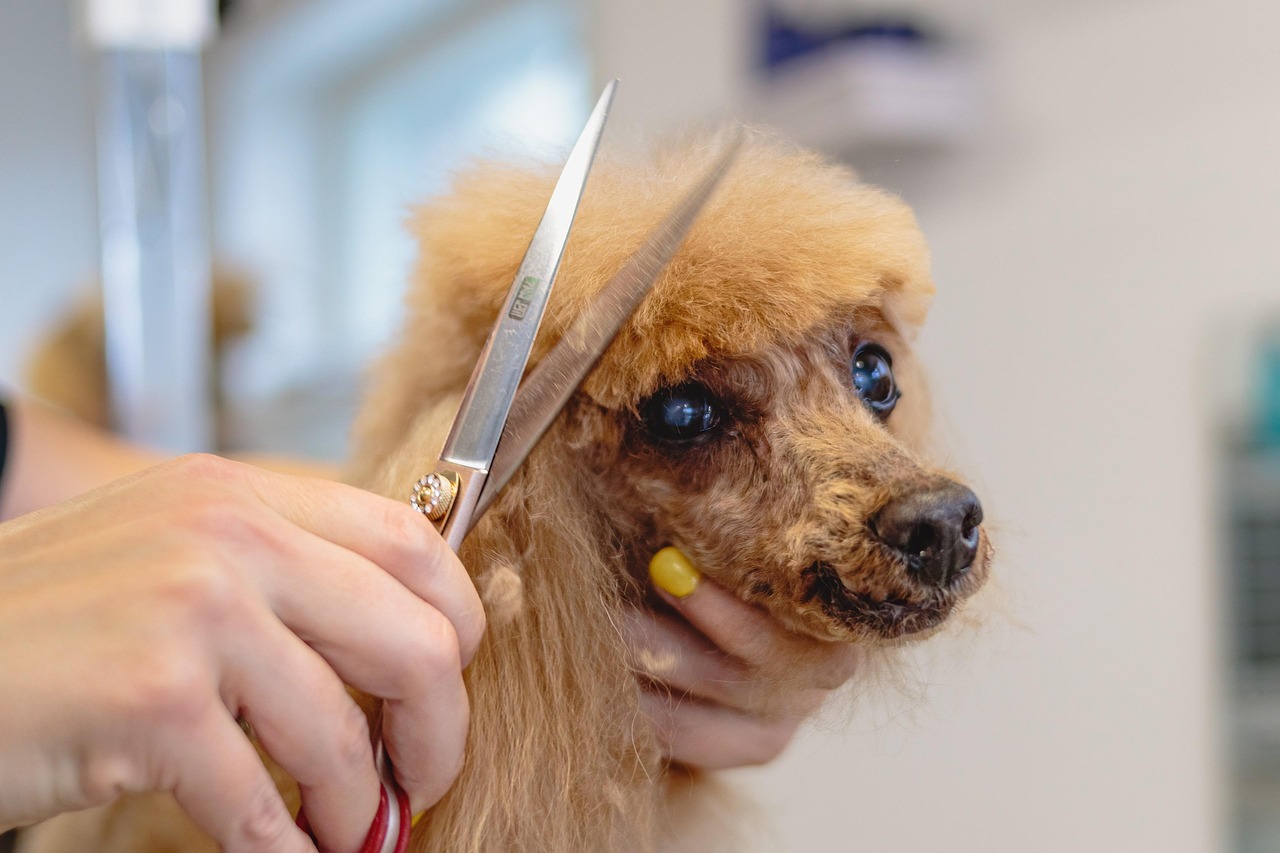

Essential Commands to Teach Your Dog for Grooming Ease
Grooming your dog doesn’t have to be a challenging task. Teaching your dog essential commands can make the grooming process smoother and more enjoyable for both of you. Start with basic obedience principles such as ‘sit’ and ‘stay’. These commands teach your dog to be calm and patient. When your dog masters ‘sit’, they will be more likely to cooperate while you brush their fur. The ‘stay’ command is equally important, as it helps keep your dog in one place while you take care of their grooming. Consistent training, positive reinforcement, and rewards like treats or praises can enhance their learning ability. Many dogs can experience anxiety during grooming, so it’s vital to create a positive association with these essential commands. Gradually, as your dog grows accustomed to the grooming routine, you will likely notice an improvement in their behavior. Patience is vital; every dog learns at their pace. By reinforcing these commands, you create an environment where grooming becomes a stress-free experience. Keep practice sessions short and enjoyable to maintain your dog’s interest and compliance, establishing lifelong grooming cooperation.
Next, it’s crucial to introduce the command ‘come’ during grooming sessions. Teaching your dog to come to you on command helps you have complete control over your pet during grooming. Use this command to call them near you, making it easy to handle their grooming needs like nail clipping or examining their ears. Always reward your dog with a treat or praise each time they respond positively to this command. Additionally, considering the ‘leave it’ command can significantly improve grooming sessions. This command teaches your dog not to focus on distractions, such as the sound of clippers or the smell of shampoo. You want them to maintain a calm demeanor during grooming to avoid moving suddenly or becoming agitated. Using these commands consistently and positively encourages your dog to associate grooming with attention, treats, and affection. Moreover, practicing in varied environments helps reinforce their understanding. Learn to adapt your training sessions according to your dog’s mood. Remember to practice gradually, slowly introducing different grooming tools like brushes or clippers. Each successful command establishes trust and reinforces good behavior, confirming that grooming is a safe and pleasant experience.
Establishing a Routine for Effective Grooming
Incorporating commands and a grooming routine can greatly reduce stress for both the dog and groomer. Start establishing a grooming schedule that suits your dog’s specific needs. Frequency depends on your dog’s breed and fur type. As you establish a routine, combine commands and positive rewards to associate grooming with enjoyable experiences. If you implement grooming time consistently, your dog will learn to expect it, making them less anxious. Always aim to groom your dog in the same area to create familiarity. Begin by using the ‘sit’ command followed by ‘stay’, ensuring the dog remains calm during grooming. Over time, challenge your dog to hold these commands longer, gradually introducing tools. Remember to maintain a gentle, reassuring approach, especially for the more sensitive grooming tasks. Keeping sessions short and sweet initially prevents overwhelming your dog and builds a positive association. Incorporate breaks and playful interactions to keep their spirits high. Gradually increase the duration of grooming sessions as they become more accustomed to this routine. Positive reinforcement makes learning enjoyable for your dog, which ultimately leads to the development of a well-groomed, happy pet.
As you continue your training, the ‘no’ command becomes instrumental in grooming practice. Teaching your dog the meaning of ‘no’ allows you to communicate effectively when they are misbehaving during grooming. For example, if your dog is moving too much while you’re trying to brush their coat or clip their nails, saying ‘no’ in a firm and calm voice helps reinforce their understanding of acceptable behavior. Applying this command consistently ensures they learn boundaries. Coupling it with other commands, such as ‘sit’ or ‘stay’, reinforces your authority during grooming sessions. Be cautious not to overuse the ‘no’ command, as this may create anxiety in your dog. Remember to switch back to praise and rewards for good behavior frequently. A balance between corrections and positive affirmations keeps your dog comfortable and engaged. Be patient in your approach; dogs have different learning curves, and maintaining a calm demeanor helps retain their obedience. By using the ‘no’ command wisely, you aid in establishing a safe grooming environment. Keep in mind that these behaviors take time to instill, yielding only with persistent, positive training.
Socializing Your Dog for Better Grooming
The emotional aspect of grooming cannot be overlooked. Socializing your dog plays a vital role in making them more comfortable and tolerant during grooming. Exposing your dog to other pets and environments helps them acclimate to various grooming experiences, reducing anxiety. Begin with small interactions, introducing them to other friendly dogs or visiting grooming salons. Incorporate short grooming sessions at home with various tools like brushes and combs to enhance exposure. Encourage positive interactions by using commands such as ‘come’ or ‘sit’ during these experiences. Provide plenty of rewards to create positive associations with these places. Maintain your pet’s vigilance toward their surroundings, ensuring they feel at ease during grooming times. Conducting consistent positive reinforcement promotes better responses during grooming sessions, making associations with good experiences. If possible, schedule playdates with other dogs while introducing grooming tools to normalize this experience. As your dog becomes comfortable around other animals and people, their tolerance will likely improve. Such social exposure ensures grooming becomes an enjoyable routine rather than a stressful undertaking. Establishing a social circle can significantly enhance how your dog perceives grooming.
Additionally, consistency plays a significant role in the successful practice of the commands you teach your dog for grooming. Dogs thrive in environments where they know what to expect. Reinforce training sessions habitually, including using the same commands repeatedly during grooming. Employing these commands in different contexts also aids in cementing their meaning. Teaching your dog not just a command, but its associated importance, makes them more responsive to various situations. Encourage regular check-ups with professional groomers to further expose your dog to seamless handling, while continually reinforcing commands at home. Introducing variations in the friendly atmosphere of grooming enhances their comfort and adaptability. Try involving different family members in the practice, sharing the responsibility to help with the exposure. Using varied voices and techniques for training can keep your dog engaged and accustomed to multiple interactions. As their confidence in responding to these commands grows, you’ll notice the ease in which they allow you to groom them. This consistent training leads to a bond grounded in trust, encouraging your dog to welcome grooming as a regular, enjoyable part of their life.
Conclusion: The Importance of Joint Efforts
Ultimately, successful grooming practices hinge on the joint efforts of both owner and dog. Teaching essential commands creates a lasting foundation of mutual respect between you and your dog. Over time, establishing a grooming routine solidifies this connection while alleviating stress for both parties. By ensuring commands like ‘sit’, ‘stay’, and ‘come’ are engrained within your dog’s repertoire, you simplify the grooming process significantly. Keeping sessions positive, engaging, and varied enhances your dog’s experience while aiding in their comprehension. Socialization adds a multifaceted layer to your training, promoting a sense of security during various grooming stimuli. Rewarding both learning and good behavior instills trust, fostering a positive grooming atmosphere in your household. Encourage patience in training; remember it’s a gradual process that ultimately benefits both you and your furry friend. As each grooming session becomes smoother than the last, you’ll notice not just compliance but genuine enjoyment and relaxation during the experience. This endeavor positions your dog to be calm and comfortable during grooming, reflecting your efforts. Reinforcing your strategies consistently cultivates a well-groomed pet that thrives under your stewardship.
In conclusion, dog training for grooming ease is as crucial as any other form of training. The commands you instill help facilitate a more positive environment when approaching grooming tasks. As your dog responds to commands like ‘leave it’ and ‘no’, their grooming experience improves immensely. Each command taught and reinforced strengthens the bond between you and your dog. Regular, pleasant grooming routines ensure your dog not only feels secure but also enjoys the entire grooming ordeal. Continue the practice consistently; maintain engagement and invest time into refining the training methods employed. As you navigate through teaching these commands, you equip your dog with essential behavioral responses that continuously fulfill their needs during grooming. Developing these skills not only empowers your dog to be more comfortable but also helps you build trust in their behaviors. You will find that grooming becomes less of a task and more of an opportunity for connection. Each grooming session will be imbued with trust and companionship as both of you grow together through this shared experience. A properly groomed dog reflects your efforts, allowing for a happy and healthy canine companion.