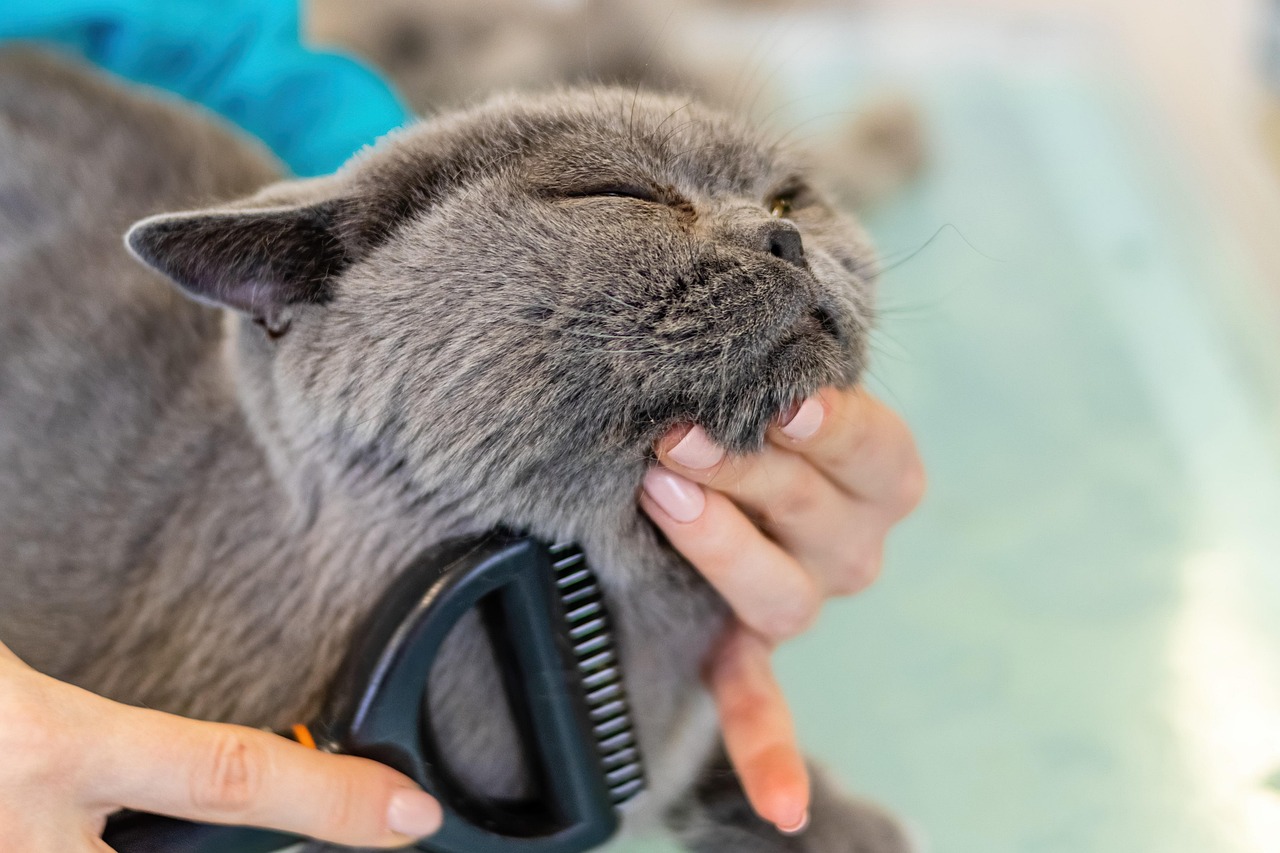

Maintaining Nail Care for Several Cats at Once
Managing nail care in a multi-cat household can be a challenging task but is essential for your pets’ overall health. Regular nail trimming helps prevent painful injuries and discomfort related to overgrown nails. Introduce nail care early on to make your cats familiar with the process. This would help ease the anxiety that might arise during grooming sessions. Ensure you have the right tools such as specialized cat nail clippers or a nail grinder designed for cats. This will make the trimming process smoother for you and your cats. It’s also important to keep treats on hand to reward your cats post-grooming, which can reinforce the idea that nail care is a positive experience. Consider grooming one cat at a time to ensure each one gets your full attention. This individualized approach will not only make your cats calmer but also allow you to observe potential issues like broken or ingrown nails. Remember, if you’re uncertain about how to proceed with nail trimming, consulting a professional groomer or veterinarian can provide you with expert advice tailored to your multi-cat household.
Establishing a Routine
Creating a consistent nail care routine is vital for maintaining your cats’ paw health. By setting a specific schedule for nail trimming, you’ll ensure that you keep their nails from becoming too long. For instance, you might choose to trim your cats’ nails every two to four weeks, depending on their activity levels. Active cats tend to wear down their nails naturally, while indoors cats may need more frequent attention to prevent overgrowth. During each grooming session, take your time to inspect each paw, looking for any abnormalities, injuries, or signs of distress. While you’re trimming their nails, keep the process calm and gentle. Speak to your cats softly to reassure them, and use positive reinforcement such as treats, praise, or a gentle pat. Have a designated space for this activity, where your cats feel safe and relaxed. Using a non-slip mat can help prevent your cats from slipping. This dedicated zone makes nail grooming easier and establishes a habit, helping them become accustomed to the process. Such routines can significantly reduce stress for both you and your cats.
Investing in high-quality tools is crucial for efficient nail trimming in multiple cats. Standard human nail clippers can be unsafe and uncomfortable for your pets. Instead, look for nail clippers specifically designed for cats. These typically have a comfortable grip, making them easier to handle. Some also feature safety guards to help avoid cutting too short. An alternative to clippers is a cat nail grinder, which files nails down instead of cutting them, providing a smoother finish while reducing the risk of injury. Regardless of your choice, always ensure the tools are clean and well-maintained. Having backup clippers can also minimize downtime in case your primary tools become unserviceable. Additionally, teach each of your cats to accept the grooming tools gradually. Let them sniff the tools and reward them for showing interest. This helps reduce fear and creates positive associations with grooming time. It’s also a good idea to have a quick drying cloth or non-slip mat nearby to ensure your work area remains clean. Not only does this help prevent accidents, but it also allows for easier use of treats and encourages interaction during the trimming process.
Recognizing Nail Health
Nail health is more than just keeping them trimmed; it involves regular checking for signs of possible issues. Make it a habit to inspect each cat’s nails every week especially if they are aging or more sedate. Look for unusual colors or growth patterns, such as swelling or bleeding, which may indicate a health problem. Pay close attention to the nails’ quick, which is a blood supply. Cutting into the quick can be very painful for your cat, and knowing where the quick is located will help you avoid this. A good tip for identifying where the quick is located in light-colored nails is to trim just before it starts turning pink. For darker nails, it’s safer to clip a smaller portion and check frequently. While attending to your cats, examine the pads of their feet. Cracked or worn pads can be just as critical and require attention. If you notice any abnormal growth or injuries, consult your veterinarian for a professional evaluation. Regular checks can help you manage the health of the nails and avoid further complications that could arise later.
During nail trimming, it’s important to create a calm environment for your cats. Reducing stress will not only make the experience better for your cats but also for you. Consider using calming scents, such as lavender or chamomile, which can have soothing effects on your cats. Toys or treats may keep them distracted and more cooperative during the procedure. Playing gently with them right before grooming can also help burn off excess energy and anxiety. Consider using soothing music or soft sounds, as some studies suggest that calming audio can positively impact your cats’ relaxation levels. A helping hand can also be beneficial. Having someone assist you can make handling your cats easier, allowing one person to hold while the other trims. Make sure the helper understands calm handling techniques and is gentle with the cats to maintain a stress-free atmosphere. If your cats resist you, take breaks often and allow them to regain their composure. Afterward, a quick play session can help them feel better and reinforce trust in you. Over time, your cats will recognize nail grooming as part of their regular routine.
Addressing Challenges
A variety of challenges can arise when grooming the nails of multiple cats. Each cat’s personality and temperament can significantly differ from one another, making some more resistant to the process. You may encounter a more anxious cat that resists having its nails trimmed. This could require patience, and perhaps should not fully restrain your cat while grooming. For nervous cats, consider consulting with a veterinarian for calmer grooming techniques or potentially using calming supplements. Another challenge can be the physical condition of older cats, who may have brittle or weakened nails. These nails require gentle handling to avoid causing pain or injury. Pay close attention during the trimming process and, if necessary, use a gentle nail file instead of clippers to reduce damage. Additionally, keep an eye on your cats’ behaviors post-trimming. If you notice any reluctance to walk or a shift in behavior, consider seeking veterinary advice. Challenges are a natural part of multi-cat grooming, but recognizing these can help you maintain nail health with patience, compassion, and careful strategies.
Finally, keeping records of your cats’ grooming schedules, health status, and other relevant observations is beneficial. Maintaining a log helps you track when each cat last had its nails done, which can help in following a consistent routine. Consider creating an easily accessible chart where you can note down dates, observations, and any particular concerns. Regular updates to records keep you informed and prepared for potential visits to the veterinarian if any issues arise. Tracking these details can also help you recognize patterns in your cats’ behavior about the grooming process. Additionally, note any changes in their comfort level or responsiveness during grooming sessions, as this can provide insight into stress levels or alternative grooming approaches. Sharing this log with your veterinarian during check-ups can facilitate discussions, particularly surrounding behavioral changes or health issues. Lastly, keep in mind that a grooming schedule should be adjusted based on the individual needs of each cat in your household. Every cat is different, and being attuned to their distinct personalities and health requirements is a significant part of multi-cat grooming management.