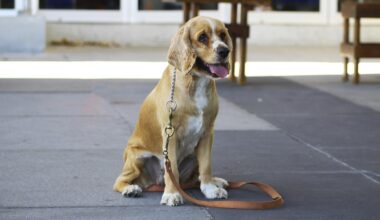
Outdoor Black and White Dog Photography: Best Locations and Settings
Black and white dog photography has gained popularity as it emphasizes the contrast between your pet and their surroundings. The outdoor environment can offer countless opportunities to capture stunning images. The play of light, shadows, and textures plays a crucial role in creating captivating photographs. Natural elements like trees, bushes, and open fields can contribute to the overall composition. Additionally, consider the time of day when planning your shoots. Early morning or late afternoon are ideal for softer light conditions, which give a beautiful glow. During these times, your dog’s features can stand out well, especially in black and white. When looking for locations, consider areas that provide a clean backdrop, like a simple grassy field or a deserted beach. These landscapes can enhance the depth of field in your photographs. Utilizing various angles can also create more dynamic and interesting photos. Make sure to interact with your dog to capture their personality genuinely, which can make the portraits even more compelling and authentic. Finding the perfect spot for those ideal shots can elevate your outdoor photography experience and ensure remarkable captures.
Best Natural Locations for Shooting
Exploring the perfect outdoor locations for black and white dog photography is essential. Natural settings provide a rich backdrop that highlights your pet’s features dramatically. Forests, with their dappled light and shadows, create interesting contrast and depth in your photographs. Woodland trails or parks often have areas that align beautifully with your focus on black and white imagery. Beaches can also be fantastic; the vast open spaces and soft textures of sand against a dog’s fur make compelling scenes. Urban landscapes present a different challenge but can yield striking results. Look for unique architectural backgrounds or textured walls that enhance the visual narrative. The intersection of nature and urban elements often brings a fresh perspective. Local parks, with their wide-open fields, make excellent spots where dogs can play freely while you capture them in action. Additionally, consider places known for vibrant autumn foliage or blooming flowers, as they present varied backgrounds. Each location adds a distinctive atmosphere to your photography and shows how your dog interacts within it. The diversity of settings allows each session to have its own story and personality reflected in the images.
Lighting is one of the most crucial elements in photography, especially in black and white dog portraits. The quality of light can transform your images and enhance their emotional dynamics. Natural light is the best choice for outdoor shoots. The golden hours, early in the morning or just before sunset, provide soft, diffused lighting that minimizes harsh shadows. This lighting captures the texture of your dog’s fur elegantly while making the background softer. Pay attention to how the light interacts with your subject. Position your dog so that the light creates beautiful highlights, particularly around the edges of their features. Experimenting with silhouettes and backlighting can also yield stunning results. Strong light from behind can create a striking outline, giving the images a unique feel. If it’s overcast or cloudy, don’t despair; this diffused light actually results in softer, more even tones, which can be great for capturing detail. However, be mindful of the entire scene’s exposure so that details aren’t lost in shadows. Thoughtful consideration of lighting conditions can enhance your outdoor photography experience immensely and achieve remarkable results.
Utilizing Textures in Your Shots
In black and white photography, textures play an essential role in creating depth and interest. The absence of color shifts the focus to patterns, shapes, and surfaces in your compositions. When photographing your dog outdoors, look for surfaces with pronounced textures, like rough tree bark, smooth stones, or flowing grass. These elements can serve as dynamic contrasts against your dog’s fur, making each image pop. For instance, placing your dog on a textured surface can enhance their outline and help separate them from the background. Capturing the interplay between different surfaces—such as your dog’s soft fur next to rugged rocks or wildflower petals—can create visually engaging scenes. Utilizing foreground elements can also add depth; including leaves or grass in the foreground draws the viewer’s eye directly to your pet. Focus on how your dog interacts with their surroundings, whether they are sniffing the ground or jumping through tall grass. The textures in your images will not only add appeal but also tell a story about your dog’s adventures in the outdoors.
Incorporating props can add interest to your outdoor black and white dog photography. Incorporate elements that resonate with your dog’s personality and make them feel comfortable. Toys, leashes, or even blankets can create focal points in your composition. For example, throwing a bright ball can elicit natural, joyful behavior, which can be captured dynamically. Keep in mind that these props shouldn’t distract from your dog; they should enhance the storytelling of your photographs. Natural environments are often enhanced with a few carefully selected items. Include textures that contrast with your dog, such as a colorful quilt on a grassy patch. This juxtaposition can create stunning images while enhancing the black and white aesthetic. Use the props to define your dog’s character; a rustic wooden bench or old fence can add charm and nostalgia to your shots. Consider seasonal items, like fallen leaves in autumn or snowflakes in winter, adding layers to the narrative. Props can evoke emotion and connection between your dog and their surroundings in the photographs, helping you to tell your story uniquely and creatively.
Working with Your Dog
One of the most critical aspects of outdoor photography is working harmoniously with your dog. It’s essential that your pet feels at ease and relaxed during the shoot. Take time at the location to let them explore and acclimatize. Trust is key; when your dog senses you are in control, their behavior may become more natural and candid. Using treats can be very effective in gaining their attention and encouraging desired poses. Create a game-like atmosphere during the shoots, incorporating playtime with commands to achieve those perfect, candid moments. Patience is paramount; not every shot will turn out beautifully on the first try, so keep experimenting with various angles and distances. Allow your dog to roam freely while capturing spontaneous moments; these often become the most memorable photographs. The bond you share will shine through if your dog enjoys the time spent with you outdoors. Always keep an eye on your environment, as distractions can impede your efforts. Ensuring that your dog feels safe and happy during these sessions will undoubtedly reflect in the wonderful images you capture.
Post-processing is an essential step in enhancing your outdoor black and white dog photography. After capturing wonderful images, it’s time to refine them through editing software. Start with exposure adjustments to ensure your image is balanced; this can highlight contrasts between light and shadow efficiently. Using filters can enhance the textures and depth of your images, making the details pop overall. Cropping can also address any distracting elements, focusing solely on your dog’s features while keeping the overall composition balanced. When converting images to black and white, pay attention to how various colors translate into shades of gray; some colors may appear too dark or light, impacting the overall image quality. Local adjustments can also improve the clarity in specific areas, drawing attention to your dog’s face or a unique pose. Experiment with different monochrome settings and styles to find what uniquely suits your vision; there’s never a one-size-fits-all approach in photography. The final touch can elevate your captures, making them memorable while beautifully showcasing your dog’s personality outdoors.
In conclusion, outdoor black and white dog photography is an exciting journey that emphasizes creativity and connection. Utilizing the best locations, lighting conditions, textures, and props allows you to craft beautiful portraits of your favorite four-legged friends. Moreover, your dog’s comfort and ability to interact naturally during the shoot are critical. Engaging them in playful scenarios or using treats enhances their comfort levels, increasing the chances of capturing authentic moments. Post-processing is another significant aspect to remember, allowing you to refine the final images effectively. Each of these elements contributes to making your photographs stand out and tell unique stories. As you embrace the art of black and white dog photography, remember that practice and experimentation are key to improvement. If you are consistent, your photography will evolve and adapt over time. It’s not solely about the mechanics of shooting; it’s also about bonding with your dog and creating memorable experiences. The memories made during these sessions will last a lifetime, reflected beautifully in your photographs. So grab your camera, head outdoors, and start capturing the enchanting world of black and white dog photography.