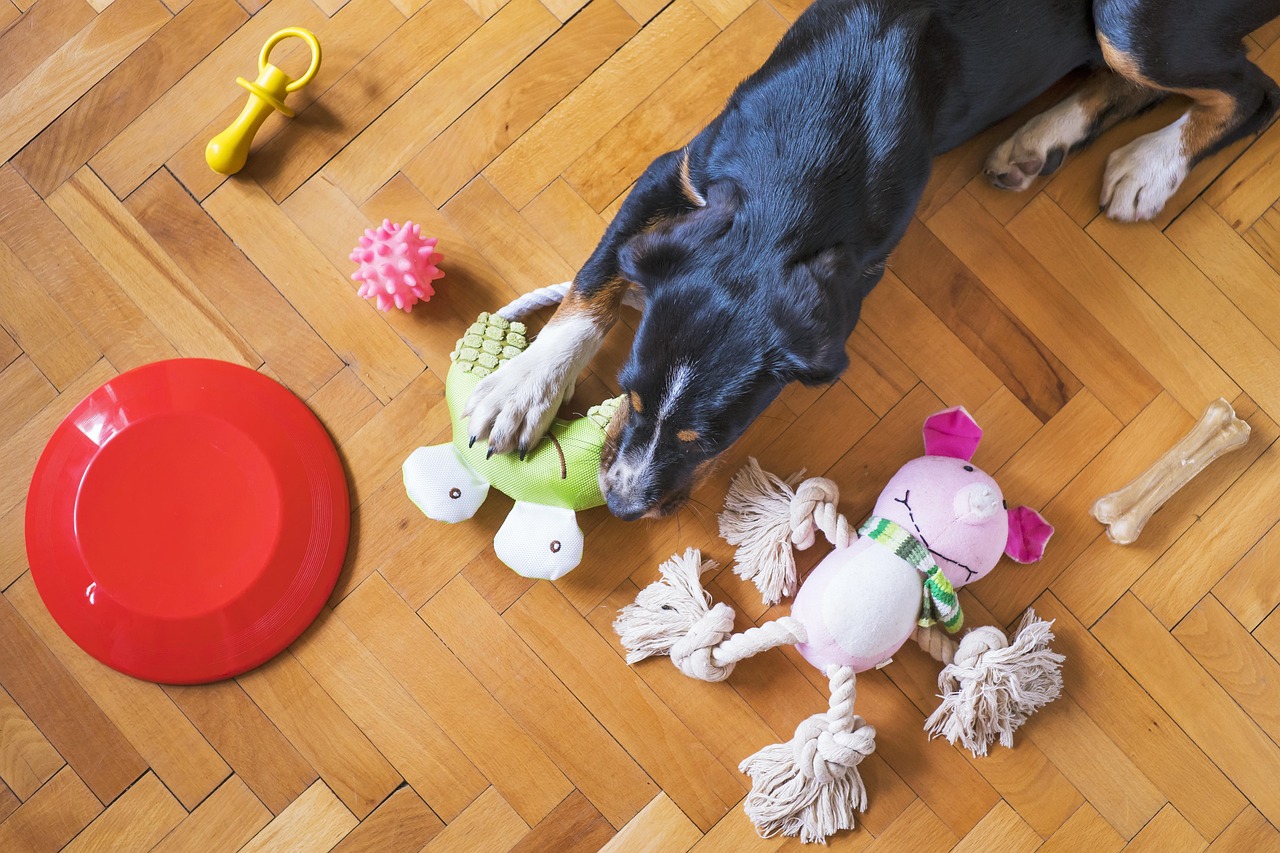

Choosing Dog Toys to Encourage Physical Exercise and Activity
Choosing the right dog toys is critical for encouraging exercise and activity in your furry friend. The right toy can help keep your pet engaged, physically active, and mentally stimulated. Look for toys that encourage your dog to run, jump, and play. Chew toys can satisfy natural instincts, while fetch toys promote activity and movement. Prioritizing durability in toy selection ensures that it will withstand enthusiastic playtime. Look for materials that are both safe and long-lasting. Soft, plush toys are great for snuggling but may not hold up to aggressive chewers. Combining mental and physical exercise is essential for a balanced lifestyle. Consider toys that incorporate interactive play, such as puzzle feeders, where dogs must solve a problem to get a treat. The best toys keep your dog engaged and reduce the risk of boredom, which can lead to destructive behaviors. Furthermore, toys that require human interaction strengthen the bond between you and your dog. Regularly rotating toys keeps playtime fresh and exciting, preventing them from losing interest. Observe your dog’s preferences to tailor the selection based on his personality and energy level.
Another aspect to consider when choosing dog toys is the size and breed of your dog. Not all toys are appropriate for every dog, so make sure to choose toys that are suitable for your dog’s size. For small breeds, select smaller toys that fit their mouth without risk of choking. For large breeds, ensure the toys are robust and capable of withstanding a dog’s strong jaw. Toys designed for specific sizes often have the durability and functionality suited for that particular breed. Choosing toys that match your dog’s energy level is equally important. High-energy dogs may benefit from toys that encourage outdoor play and exercise, such as balls and frisbees, while calmer dogs may prefer softer toys for gentle play inside the home. Furthermore, consider your dog’s age; puppies often need teething toys, while older dogs may benefit from toys that assist in dental care. Safety should also be a priority; ensure toys do not have small, detachable parts that could pose a choking hazard. Researching brands and reading reviews can guide your toy selections. Choosing toys thoughtfully not only ensures playtime enjoyment but also promotes your dog’s health.
Understanding Your Dog’s Play Style
Understanding your dog’s play style can greatly aid in choosing the right toys for exercise and socialization. Different dogs have unique ways of playing, and knowing these differences can enhance the fun while ensuring your pet stays active and healthy. For instance, some dogs may enjoy chasing and retrieving, while others might prefer tugging or chewing. Identifying your dog’s favorite activities provides a valuable insight into the best types of toys to invest in. Interactive toys, such as ones that make sounds or have unpredictable movements, can intrigue your dog and encourage him to engage more actively. Try observing your dog during playtime to understand what excites him most. If he enjoys chasing, look for balls and other fetch toys that promote running. For dogs that prefer to chew, durable chew toys and bones can help satisfy that urge. Always remember that play can also double as exercise. Incorporating various toys that facilitate different types of play can effectively keep your dog physically active while also mentally stimulated. Changing up the types of toys can keep them engaged and will promote a more dynamic play experience.
Safety is a key factor when selecting toys for your dog. Not all materials are safe for dog use, and dogs can be prone to accidents when playing with unsuitable toys. Look for non-toxic materials that won’t harm your dog even if chewed or swallowed accidentally. Rubber toys are often great choices as they are durable and can bounce, adding an element of fun to playtime. Additionally, soft toys should be free from small buttons or pieces that could be ingested. Always check for signs of wear and tear; if a toy begins to break apart, it should be discarded immediately to prevent choking hazards. Supervision during playtime is also essential, especially with toys that easily tear apart. Different breeds have varying chewing strengths, leading to varying durability in toys. It may be wise to consult with your veterinarian regarding the best types of toys for your specific dog breed’s needs. Prioritizing safety ensures stress-free playtime, allowing both owners and dogs to enjoy their activities fully. Compiling a list of safe, quality toys can simplify future shopping and enhance both fun and safety.
Rotating Toys for Engagement
Rotating your dog’s toys can significantly enhance their play experience and exercise levels. Just like humans, dogs can become bored with the same toys; regularly changing the toys they have access to keeps them interested and engaged. One effective strategy is to keep half of your dog’s toys stored away and rotate them every few weeks. When you reintroduce a familiar toy, it will feel new to your dog, which re-sparks excitement and curiosity. This also minimizes clutter at home and helps maintain a clean environment. Consider seasonal changes; during colder months, certain toys may be better suited for indoor play, while others are perfect for outdoor fun in warmer weather. Observe which toys your dog favors at different times to best facilitate active play sessions. Lastly, including some interactive toys in your rotation can encourage independent play when you are busy. Keeping a variety of toys will cater to different moods, whether your dog wants to play fetch, tug-of-war, or just chew away. This strategy not only stimulates physical activity but also fosters a dynamic and engaging play environment.
Encouraging social play with other dogs is another vital aspect of dog toy selection. Finding toys that facilitate group play can enhance social interactions with other dogs while encouraging physical exercise. Toys such as rope toys or frisbees can be utilized in group settings to encourage multiple dogs to engage with each other. Participating in group play can help dogs naturally exert energy, develop social skills, and manage their overall behavior. Providing toys intended for cooperative play fosters bonding between dogs, while also giving an opportunity for their owners to connect. If possible, organizing playdates with other dogs introduces diversity into your dog’s play routines. Observe how your dog interacts with different types of toys during these sessions; you’ll identify which ones promote more excitement and engagement. Additionally, considering dual-purpose toys that provide mental challenges can also be beneficial in social settings, such as treat-dispensing puzzles. Ensuring their toys cater to both active engagement and social integration will foster a well-rounded exercise routine. Supporting positive interactions among dogs through shared playtime ultimately benefits their physical health.
Final Thoughts on Dog Toys
In conclusion, selecting the right dog toys is crucial for promoting your dog’s physical activity and overall well-being. Understanding your dog’s play style and preferences, considering safety and size, and rotating toys are all essential factors to keep in mind. Additionally, engaging in active play and social settings enhances the experience for both pets and owners, creating cherished memories. Emphasizing interactive toys can stimulate mental engagement while ensuring physical exercise. Regularly assessing your dog’s response to various toys will help guide future purchases and adapt to their evolving interests. It’s also important to continually educate yourself on the best practices for dog care and toy safety for lasting well-being. With careful consideration, dog toys can indeed foster a fun and active lifestyle for your pet. This investment will lead to a healthier and happier dog, reducing behavioral issues associated with boredom. Ultimately, the goal is to create a fulfilling environment for your dog through engaging play. Stay observant and adjust your choices accordingly, and your dog will surely thrive in an active and enriching atmosphere.