
The Impact of Handlers on Dog Show Results
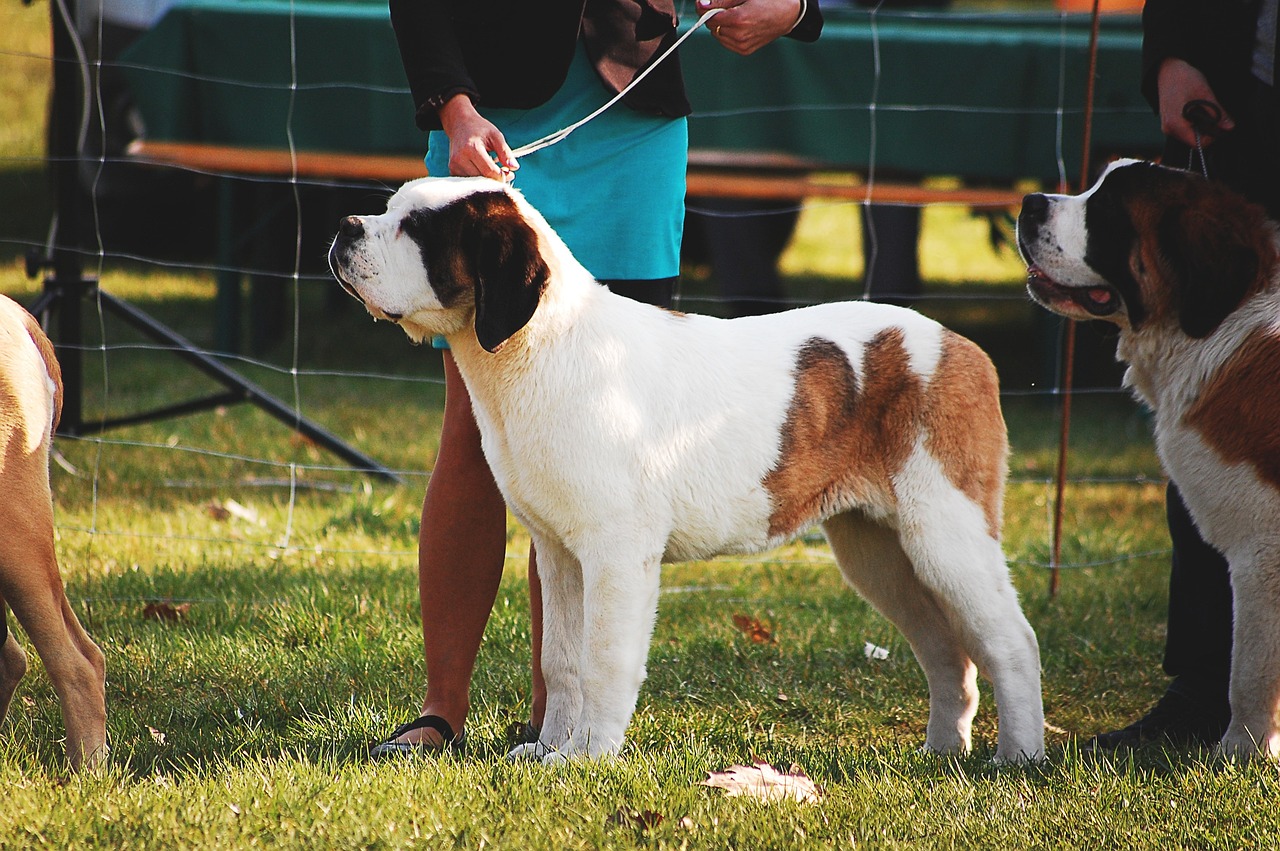
In the world of dog shows, a handler’s role is essential for achieving excellence. While dogs are evaluated on their breed standard, proper presentation by skilled handlers can significantly influence judges’ perceptions. A talented handler understands how to exhibit a dog’s strengths while minimizing its weaknesses. They also know how to adjust their methods based on breed characteristics and guidelines. Effective handlers have strong communication skills, which enable them to work closely with their canine partners. This bond fosters trust, allowing the dog to perform optimally in the ring. Handlers use specific techniques to promote the best attributes of each breed, emphasizing unique features that captivate judges’ attention. The art of handling involves much more than simply leading a dog; it requires a deep understanding of canine body language and behavior. Handlers who can read their dogs create a seamless performance, making a clear impact on the outcome. Additionally, the significance of experience cannot be overstated in competitive scenarios. Established handlers often have an advantage, providing insight gained from years in the field, which newcomers might lack but seek to acquire through training and practice.
The best dog show handlers constantly improve their skills, ensuring they stay updated with industry trends. They attend workshops, seminars, and training events to refine their techniques and adapt to evolving judging criteria. Their passion for learning not only benefits them but also enhances the performance capability of the dogs they handle. Another crucial factor is the handler’s reputation, which can significantly influence a dog’s success. Judges are often aware of notable handlers and may unconsciously favor their entries, associating quality with established professionals. This underscores the importance of building a strong reputation through teamwork, dedication, and consistent results in various shows. Additionally, networking within the dog show community allows handlers to exchange invaluable information and tips that can prove essential in future competitions. By fostering relationships with other exhibitors and judges, they can gain insights into what might impress at upcoming shows. Moreover, handlers must also prepare their dogs for the physical demands of the show circuit. Rigorous training routines ensure the dogs are in peak condition, making the handler’s role even more critical in presenting a well-prepared, energetic, and healthy dog to the judges.
The Role of Preparation in Handling
Preparation for dog shows begins long before the actual event and encompasses various aspects. Handlers diligently strategize to prepare their dogs, focusing on grooming, training, and health. Grooming is vital, not just for aesthetic appeal, but also for adhering to breed standards set by kennel clubs. A well-groomed dog stands out and reflects the handler’s dedication and attention to detail. Training routines are meticulously designed to enhance the dog’s performance while following a competitive schedule. A handler must be attentive to the dog’s physical health, addressing any concerns that may arise during training. Regular check-ups and fitness assessments ensure that both the dog and handler are fit and ready for competition. Handlers develop individualized training plans that suit the dog’s temperament, capacitating successful outcomes in various show environments. Many handlers incorporate positive reinforcement techniques, ensuring the dog enjoys the training process, which leads to better performances. Consistency in these practices undeniably shapes the bond between the dog and handler, resulting in a trustworthy and reliable partnership during competition.
Handlers also analyze previous performances to understand what worked and what required improvement. Reviewing videos, taking notes, and receiving feedback from peers further enhance their methods. Each competition may present unique challenges, and handlers must adapt their strategies to different environments. They often research judging trends and preferences, allowing them to tailor their presentations accordingly. Furthermore, handlers must remain calm and composed, as the atmosphere in dog shows can be tense. Their demeanor impacts the dog’s behavior, and a serene handler contributes to a dog’s confidence during the show. The ability to handle pressure gracefully is a hallmark of the best in the field. For many, the thrill of competition intertwines with a love for the breeds they work with daily. As they lead their dogs into the ring, it’s the culmination of countless hours spent nurturing their skills, fostering trust, and understanding each dog’s personality. Their efforts can make significant differences in the outcome, influencing the judges’ impressions and the way dogs execute their movements. Every moment in the ring becomes an opportunity to shine, showcasing the bond between a dog and its handler.
Building a Competitive Edge
In dog shows, handlers are often seen as an extension of the dog itself, and this connection can significantly affect results. Therefore, investing time and energy into building a competitive edge is essential. One way to do this is by participating in various trials, gaining exposure to different judges and competition styles. This experience allows handlers to learn how to maneuver effectively under diverse circumstances, preparing them for any situation they might encounter in future shows. A strong handler adapts quickly and makes decisive choices that can turn a potential disadvantage into an opportunity for triumph. Developing brand recognition is another vital component. Handlers can create a unique style or presentation that embodies their brand, making them recognizable within the circuit. This distinguishes them from the multitude of competitors, creating a lasting impression. Social media plays a critical role in building that presence, showcasing handling techniques and success stories, engaging with fans, and forming connections within the dog show community. A handler’s online persona can redeem visibility, offering valuable resources and inspiration to aspiring dog show enthusiasts.
The presentation style a handler adopts also greatly influences a dog’s success. Incorporating unique flair while remaining harmonious with the dog’s movements often captivates the judges. Handlers need to synchronize their pace with the dog’s rhythm to create a seamless impression. For instance, the walking pace during individual presentations should match the dog, allowing them to exhibit their gait naturally. Timing in turns and stops is equally crucial, as these moments highlight a dog’s best attributes. Many successful handlers study renowned professionals to adopt useful tactics that can enhance their presentation. They dissect performances to identify specific skills that set top competitors apart. Coaching and mentoring relationships often arise within the community, fostering a spirit of collaboration that transcends rivalry. Newcomers find guidance in more experienced handlers, gaining insights that could save time and improve skills rapidly. Moreover, handlers also learn how to handle various breeds, expanding their versatility. By practicing with diverse breeds, they can develop a deeper understanding of unique handling requirements, preparing them better for mixed breed shows or competitions with different standards.
Conclusion: The Essential Link
Ultimately, the role of the handler is indispensable in dog shows, as they serve as the essential link between the judges and the dog. Their expertise, communication skills, and commitment shape not just the presentations but also the dogs’ experiences during shows. The effectiveness of a handler directly correlates with the dog’s performance and morale. Beyond their technical prowess, handlers encapsulate a holistic approach toward showing dogs, prioritizing emotional well-being and health. The culmination of strategic preparation, continuous learning and adaptation, plus the unwavering bond between dog and handler often determines the outcome of dog shows. As judges assess various entries, the impact of exceptional handlers can be seen throughout the competition. Whether newcomers or seasoned professionals, handlers play a formative role in developing successful partnerships. In the world of dog shows, success is not merely about winning trophies but nurturing meaningful connections between humans and dogs. Acknowledging the immense effort put in by handlers enhances appreciation for the dog show community. Their collective passion ultimately contributes to elevating the standards of dog showing, enriching the experience for everyone involved.