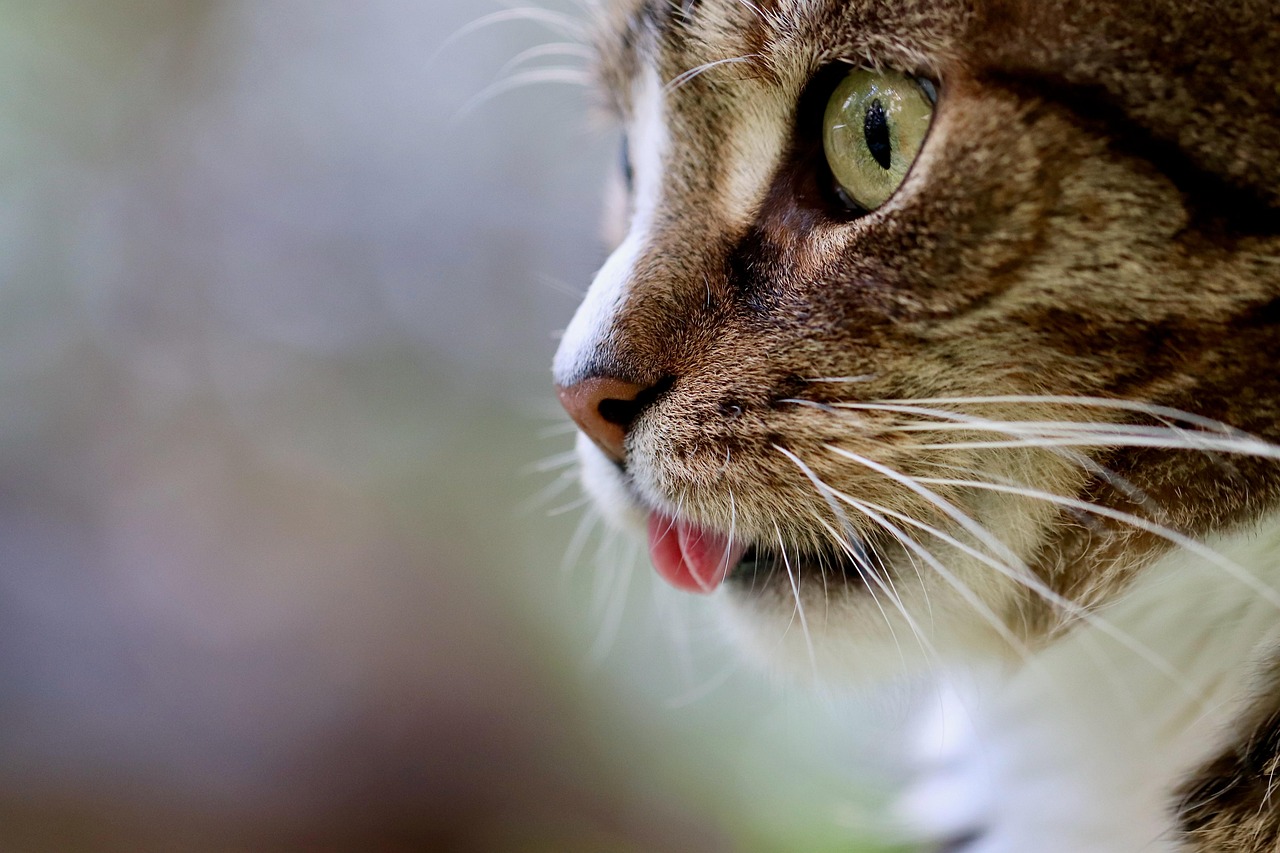

How Cat Breed and Age Affect Susceptibility to UTIs
Feline urinary tract infections (UTIs) are a common concern among cat owners. Understanding how different factors influence the likelihood of these infections is essential for proactive care. Among the most significant factors are the cat’s breed and age, both of which can affect susceptibility to UTIs. Certain breeds, including Persians and Himalayans, are reported to have higher incidence rates. Additionally, older cats are more prone to health issues, including UTIs, due to age-related immune system decline. Younger cats may also present risks depending on their environment and health status. Changes in behavior such as litter box avoidance may indicate a urinary issue. An early diagnosis is crucial, and an attentive pet owner should monitor their feline’s habits closely. It’s vital to provide fresh water and a balanced diet to support urinary tract health. If a cat shows signs of discomfort or frequent urination, a veterinarian visit is recommended. Understanding these risk factors allows for better preventive care. Ensuring proper hydration and addressing potential health concerns promptly can improve a cat’s well-being significantly.
One important aspect to consider is the impact of obesity on urinary health. Overweight cats are more likely to develop UTIs, as excess weight can put pressure on urinary organs. Consequently, maintaining a healthy weight through diet and exercise programs is crucial. Regular check-ups and monitoring weight can help manage your cat’s health better. Consider switching to high-quality, low-carb food that promotes weight management. Certain breeds may have genetic predispositions towards overweight tendencies, further complicating issues related to UTIs. Moreover, stress is another contributing factor; it can influence a cat’s behavior and lead to behavioral changes, such as inappropriate urination. Cats living in multi-pet households or stressful environments may show more significant signs of anxiety, thereby enhancing their risk of UTIs. Providing a calming environment with safe spaces for your cat can help alleviate stress. Participants in behavior modification programs or gentle reintroductions may also improve inter-cat relationships. Being observant of your cat’s designated areas for elimination and their well-being is essential for maintaining their health and preventing urinary infections.
Effects of Neutering and Spaying
Neutering and spaying are common procedures for pet population control. However, these procedures can also influence the likelihood of developing UTIs. Hormonal changes caused by these surgeries may impact your cat’s urinary health differently based on their breed. For example, spayed female cats have lower hormonal influences, which can protect against infections. On the other hand, male cats face different challenges when neutered due to their behaviors, including litter box marking. Addressing hygiene post-surgery is equally important. Maintaining a clean litter box ensures your cat enjoys a safe and welcoming space for urination. Inadequate litter box maintenance can result in bacteria buildup and potential urinary infections. Moreover, some studies suggest that spayed and neutered cats may lead healthier lives overall, managing not just UTIs, but various health conditions within their lifespan. Regular veterinary check-ups and follow-ups post-surgery can enhance overall well-being and identify urinary issues early, optimizing preventative care further. Understanding the relationship between these common surgical procedures and UTI risks may lead to informed decisions regarding your feline friend.
Cat age plays a significant role in UTI susceptibility as well. Kittens and older cats have differing health profiles, making them more vulnerable. Kittens’ immune systems are still maturing, exposing them to increased infection risks. On the other hand, older cats typically face age-related challenges, such as chronic conditions or reduced immune functioning. These factors may lead to frequent, painful urination, raising the UTI risk. Monitoring your older cat’s drinking habits can reveal any concerning behaviors, as dehydration aggravates the situation. Encouraging increased water consumption is essential for proper urinary tract health throughout all life stages. Automatic water fountains can be enticing to many cats, promoting their hydration. It’s also crucial to avoid sudden dietary changes, as they can upset a cat’s stomach. Gradually introducing new food while watching their urinary health helps mitigate UTI susceptibility. Moreover, incorporating wet food into their diet can aid hydration and overall urinary function. Your awareness of age-related vulnerabilities can play a key role in improving your cat’s health and well-being. Be proactive and observe changes that warrant exploring veterinary advice.
Environmental Factors
Environmental factors also have a considerable impact on a cat’s susceptibility to UTIs. Cat owners must evaluate their living spaces for potential hazards that can contribute to urinary problems. For example, homes with multiple litter boxes that are maintained properly can reduce stress and promote frequent urination, aiding in preventing infections. Availability of fresh water sources throughout the day can help to keep hydration levels up. Cats that live in confined spaces or those who face behavioral stressors are less likely to eliminate appropriately. Providing an environment conducive to their natural instincts is crucial for their urinary health. Access to outdoors or enriched indoor settings can give them necessary stimulation. Regular play and interaction can aid in reducing anxiety and promoting healthy habits. Seek to engage with your cats synchronously, considering joint play or offering diverse toys to encourage activity. Observe your cat for signs of discomfort or changes in urination patterns. Any signs of distress should prompt a veterinary consultation to rule out underlying issues such as UTIs or other health problems.
Finding ways to actively stimulate your cat’s well-being is also beneficial. Regular exercise plays a significant role in maintaining health and preventing UTIs. Encouraging active playtime helps reduce stress and maintain a healthy weight. Consider using interactive toys or engaging with laser pointers to motivate your feline to exercise. Social interaction with both humans and other pets can enhance their quality of life and emotional well-being. Always ensure that scratching posts and climbing shelves are available for them to exercise their natural instincts. Separation from fellow pets during important routines such as eating or relieving themselves can help them maintain a stress-free environment. Watching for mild discomfort while eliminating can help indicate underlying issues as well. Be proactive in scheduling regular veterinary visits, allowing for the early detection of any urinary complications. A holistic approach to diet, hydration, exercise, and emotional health can collectively maintain your cat’s overall well-being. Through proactive management of these factors, you can significantly reduce the risk of urinary tract infections in your beloved feline companion.
Conclusion
In conclusion, understanding the various factors contributing to feline urinary tract infections, including breed, age, and environment, can empower cat owners to take proactive steps towards prevention. Obesity and stress are significant contributors that can exacerbate urinary health issues. As you assess your cat’s weight and lifestyle, remember to provide ample opportunities for safe exercise and interaction on a daily basis. The establishment of a clean and accessible litter box is crucial, as is maintaining fresh water availability. If your cat demonstrates any unusual behavior or symptoms, seeking veterinary advice is critical for ensuring their long-term health. Depending on breed-specific challenges, regular consultations can also provide tailored insights into managing their urinary health. Naturally, ensuring your cat’s diet supports hydration and overall health is vital for preventing UTIs. With proper attention and care throughout their life stages, your feline can enjoy a healthier, happier life. Recognizing the profound link between daily habits and health will significantly lower UTI risks, allowing your cat to thrive.
As responsible pet owners, creating a nurturing and positive atmosphere while being vigilant about potential symptoms is paramount. Your commitment to understanding how breed, age, and environmental factors impact your cat’s health will pay off in the long run. By implementing practical strategies and maintaining open communication with your veterinarian, you can monitor and improve your cat’s urinary health effectively. The right approach ensures that your feline companion can lead a long and comfortable life while reducing the risks associated with urinary infections. A well-informed owner can respond to changes and seek immediate care when necessary, safeguarding the cat’s well-being. Finally, always strive to stay up-to-date on feline health advice and studies, as knowledge evolves rapidly. Given that each cat is unique, customizing care strategies to meet individual needs appeals to their health. Embrace the opportunity to increase your knowledge of urinary health throughout your cat’s life and share insights with fellow cat owners. By working together, you can promote a happier, healthier life for felines everywhere.