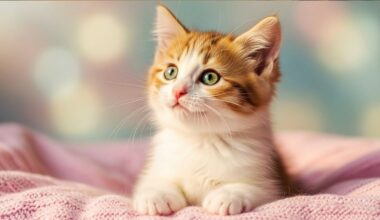

Adapting Exercise Equipment for Cats with Physical Limitations
When considering exercise for cats with physical limitations, it’s crucial to focus on their needs and capabilities. Standard equipment may not suffice for these special needs cats, making it essential to adapt or create alternatives. Begin by assessing your cat’s specific condition, as this will dictate which equipment is appropriate. Always prioritize comfort and encouragement rather than pushing them too hard. Modified activities should cater to mobility restrictions and energy levels. Consider specially designed ramps for getting to higher surfaces slowly. Additionally, plush climbing towers might provide a safe ascent and fun for your cat. Choosing the right materials is vital; soft padding or faux fur can enhance comfort. Lightweight toys made from non-toxic materials can help stimulate their play without causing strain. If your cat prefers to stay horizontal, pull toys or automated laser pointers can engage them without requiring jumping. Ensure that your living space promotes exploration while being safe and gentle on your cat’s joints. Regular gentle exercise will keep your special needs cat active and prevent obesity by balancing energy intake and expenditure.
Interactive toys remain an excellent option for keeping your physically challenged cat entertained. Look for items that encourage slow movement rather than vigorous jumps or complicated maneuvers. Toys with adjustable difficulty levels allow you to modify the challenge for your cat as their strength and coordination improve. Battery-operated toys that move erratically can stimulate curiosity, prompting even the most hesitant cats to engage. When selecting any toy, check that it’s appropriately sized so your cat can approach it without frustration. If your furry friend is primarily sedentary, consider using feather wands, which you can manipulate, encouraging movement and keeping them attentive. Additionally, automated fetching devices can gently roll or toss toys within their reach, enabling them to participate in play while remaining comfortably in place. In this context, your engagement is crucial; spend time playing with your cat to increase bonding and motivation. Incorporate gentle stretches into your routine, ensuring the activity is pleasing and safe. Ultimately, finding the right balance between active and passive engagements is critical when adapting exercise for special needs cats.
Tailored Strategies for Special Needs
Moreover, when managing a special needs cat’s exercise, tailor your strategies to their individual preferences and limitations. Observe your cat closely to determine what kinds of activities truly engage them. Some cats may prefer low-impact exercises, while others might relish a bit of a challenge. Slow-paced games like hide-and-seek can stimulate their mental faculties while inviting physical activity, even if it’s just walking around. Additionally, enrich their environment with various textures and obstacles, promoting gentle mobility. Use tunnels, small bridges, or soft platforms that encourage exploration without overexertion. Pay attention to cot-related signals your cat gives you, as this will inform you about their energy levels on a given day. Remaining flexible and modifying your approach based on their responses will open a world of possibilities for exercise. By consistently adapting your choices and remaining observant of your cat’s reactions, you’ll develop an effective exercise routine. The key is gradual progression; never push them beyond their limits. This approach will stimulate their minds and aid physical rehabilitation, contributing to overall well-being.
Also, consider collaborating with a veterinarian or a pet physiotherapist when planning exercise routines for physically limited cats. These professionals can provide valuable insights into safe activity techniques suited for your cat’s specific health challenges. They might suggest tailored exercises that compensate for any weaknesses or limitations your cat has. Moreover, they can help you understand when is the right time to progress to the next level of activity. You can keep detailed records of your cat’s abilities, preferences, and any observations, allowing you to refine your approach based on their reactions and improvements. For instance, take notes on which activities they enjoy most or when they appear most comfortable. By integrating these observations with professional guidance, you can create a well-rounded exercise plan. It’s also essential to ensure the exercise sessions are fun and balanced with rest periods. Exercise shouldn’t feel like a chore for your special needs cat; make it an enjoyable part of their day. Ultimately, the goal is to enhance their quality of life while promoting overall health.
Safe Outdoor Exploration
If your special needs cat enjoys the outdoors, facilitate safe outdoor exploration tailored to their abilities. Designate a secure area where they can roam while minimizing risks. A leash and harness equipped for cats can provide support without overwhelming them. Always supervise your special needs cat outdoors to assure their safety from potential hazards. Specially designed, gentle ramps into outdoor spaces can help guarantee they access these areas comfortably. Make sure to select exercise times with moderate weather, avoiding extreme heat or cold. For cats who enjoy sunbathing, shady spots on warm days and sheltered areas for rainy ones are essential. Set up small, engaging obstacles, like low-lying tunnels or soft surfaces, to promote gentle exploration outdoors. Incorporating stimulating elements like cat grass or safe plants will entice them to explore naturally. Observing them as they interact with the environment can add joy to your routine. Encouraging exploration and exercise out of doors can benefit their mental health while enhancing their physical activity levels. Ultimately, the goal is to foster curiosity while ensuring safety at all times.
As you adapt exercise routines for your special needs cat, patience is crucial. Understanding their pace and taking the time to gradually introduce new activities can lead to greater success. Consistency over time will help your cat become accustomed to their new exercise regime. Start with a few minutes each day and assess how they respond. If they seem energized and keen to engage, progressively increase duration or complexity. Track their responses to activities, noting when they’re most animated or when they seem fatigued. Flexibility is essential, understanding that some days will be less active than others. Never lift them into exercises beyond their abilities; always pull from the array of options available to you and adjust as necessary. By maintaining this observational approach, you ensure your special needs cat feels comfortable and safe while staying active and engaged. Celebrate their achievements, no matter how small they may seem. Recognizing their efforts will boost their confidence and make exercise sessions inherently more enjoyable for them. In this way, you promote improved physical health while nurturing emotional well-being.
Utilizing Technology for Exercise
Lastly, consider leveraging technology within your exercise strategies for special needs cats. Modern devices such as activity trackers can help monitor their movements and health metrics, providing valuable data on how much exercise they receive. Setting achievable milestones can motivate both you and your kitty, encouraging a routine without overwhelming them. Use smart toys that engage your cat automatically, stimulating their instincts to play without requiring physical exertion from your side. Apps might offer structured activities and exercise suggestions adaptable to your cat’s limitations. Engaging musical or light-up toys can also enhance their play experience, leading to more interactive hours. Making use of technology can also allow you to set reminders for exercise and health check-ups, consistently keeping you in tune with their needs. By turning exercise into a supported routine, you can ensure that it becomes an integral part of your cat’s life. As the bond deepens through these routine exercises, not only do their physical capabilities improve, but their happiness levels, too, rise significantly. Ultimately, the goal is to cultivate a purposeful exercise regimen that accommodates their unique needs.
This approach ensures continuous physical activity while building emotional connections. Always allow breaks during any activity, providing time for hydration or rest within sessions. Engaging them mentally while exercising physically can create enjoyable experiences, improving their resilience and adaptability. Ultimately, modifying exercise equipment and routines for special needs cats requires compassion, research, and experimentation. The journey may present challenges, but creating an enriching experience is immensely rewarding for you and your feline companion. With the right support and equipment, your special needs cat can lead a balanced and healthier life, discovering joy through tailored exercise routines.