
How to Keep Your Dog Comfortable During Photoshoots
Dog photography is a beautiful way to capture memories and moments with your furry friend. However, ensuring your dog is comfortable during the photoshoot can be challenging. Start by choosing an environment your dog enjoys. This could be a favorite park, their backyard, or even at home. Familiar surroundings can help reduce anxiety. Additionally, consider the timing of your photoshoot. Early morning or late afternoon offers good lighting and tends to be cooler, making it ideal for your pet. Bring along their favorite toys to distract and engage them during the session. Not only will this keep them entertained, but it can also lead to more natural, candid shots. Remember, patience is key. Allow your dog to explore the area and get comfortable before you begin taking photos. This not only helps your dog settle down but also contributes to better photographs, as they will be more at ease and willing to pose. Use treats as rewards during the shoot to reinforce positive behavior and create a fun atmosphere for the session. Always keep your dog’s comfort as the priority.
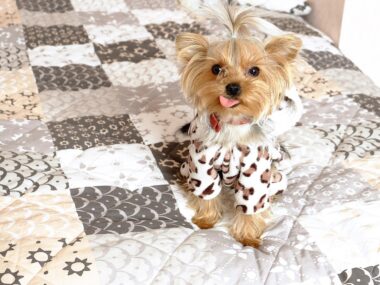
After choosing the right location and timing, consider your dog’s physical comfort as well. If you’re planning an outdoor photoshoot, ensure the ground is suitable for your dog’s paws. Avoid hot pavement or prickly grass, as this can cause discomfort. During colder months, ensure your dog is warm enough, particularly in chilly conditions. A cozy blanket or dog sweater can help, especially for short-haired breeds. While photographing, take breaks to hydrate your dog and let them rest. Continuous posing can become tiring, so give them the chance to stretch their legs. When introducing props or different settings, do so gradually. Some dogs may get startled by unexpected items, leading to anxiety and discomfort. Use familiar props, like their leash, or favorite blanket, to create a sense of security. During the shoot, pay attention to your dog’s body language. Look for signs of stress, such as panting or avoiding eye contact. If they’re displaying these behaviors, take a break. The goal is to create a fun and positive experience for both you and your dog.
Using Positive Reinforcement
Positive reinforcement plays a critical role in keeping your dog comfortable during photoshoots. Utilizing encouragement, such as treats and verbal praise, creates a stress-free environment. Begin by training your dog before the photoshoot to associate the camera with positive experiences. Consistently reward them for staying calm and engaged. Dogs thrive on interaction, so engaging with them while taking photos is essential. A playful approach will put them at ease. If your dog loves their toys, incorporate these into the photoshoot. Tossing a ball or encouraging them to chase a toy not only garners their focus but also makes for dynamic shots. Always reward good behavior with a treat or lots of praise; this will reinforce a positive attitude toward the camera. Aim to keep your dog’s attention focused on you or your assistant who is helping. Maintaining their interest can be a challenge, especially with distractions in the environment, but the results will be worth the effort. Finally, always end the session on a positive note for your dog, rewarding their cooperation with a walk or playtime afterward.
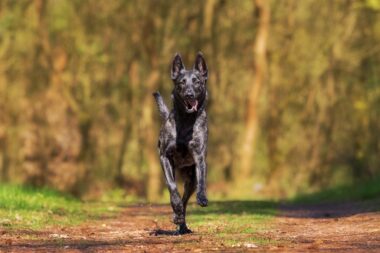
Understanding your dog’s temperament is essential in planning a successful photoshoot. Some dogs are naturally more anxious or wary around new experiences, while others are outgoing and adventurous. Identifying your dog’s personality will help tailor the session accordingly. For example, if your dog tends to be shy, start with quiet, calm settings. Gradually introduce them to busier environments as they grow more comfortable. If your dog has high energy, incorporate more playful actions into the shoot. Jumping, running, and playing with a favorite toy can produce stunning images that show off their personality. Use a leash or harness when necessary to maintain control, especially if you’re in a public area. Establish clear communication with your dog throughout; simple commands like ‘sit’ or ‘stay’ can help guide their behavior. If all else fails, distraction techniques can be particularly helpful. Use noise makers, squeaky toys, or even goofy sounds to grab their attention. Lighting can also play a significant role in your dog’s comfort. Avoid harsh sunlight, which can cause discomfort. Shade often makes for a more pleasant atmosphere.
The Importance of Patience
Patience is a crucial element in dog photography. Dogs can be unpredictable, and their comfort level can change quickly. If your dog seems restless or distracted during the session, take a moment to pause and give them some space. Allowing them to relax and settle can yield better results. Keep the atmosphere light-hearted and fun; if you become frustrated, your energy will reflect in your dog. Dogs have an uncanny ability to pick up on their owner’s emotions. If your dog starts acting out, it may be time to switch up your approach. Try a different angle or setting to re-capture their attention. Implement a short play session to alleviate stress or boredom. Frequently check in with your dog’s mood to ensure they’re still enjoying it. Sometimes, taking breaks or switching activities can result in the best photos, capturing authentic emotions and expressions. Remember that every dog is different; what works for one might not work for another. Finding balance between the shoot’s objectives and your dog’s well-being is key to achieving beautiful photographs.
Besides the technical aspects, the emotional state of your dog matters significantly in the shoot. Dogs, like people, have off days and moods. If your dog isn’t in the mood for photos, respect their feelings and attempt another time. Taking your time allows you to capture authentic moments, instead of forced poses. Essential too is accepting that not every photo will be perfect, and that is perfectly okay. Embrace the imperfections that come with capturing true pet personalities. You may find some of the most powerful images are candid, unplanned moments. Remember that each dog is unique and may present different challenges and triumphs. If you are accommodating and responsive to their needs, you will both enjoy the process. As a result, your photography will reflect the genuine bond you share. Maintaining an upbeat atmosphere minimizes stress not just for your pet but also for you, the photographer. Dogs do well with routines, so establishing a consistent pre-shoot ritual may create a sense of normalcy. Feel free to experiment with angles, speeds, and moments, as these can reveal surprising and delightful results.
Final Thoughts on Your Dog’s Comfort
In summary, ensuring your dog’s comfort during photoshoots revolves around understanding their behavior and needs. Creating a relaxed atmosphere yields beautiful results and positive experiences. Planning is vital; choose locations, times, and props that resonate with your dog. Positive reinforcement makes a huge difference—rewarding good behavior helps build their confidence. Above all, patience and understanding will help you navigate challenges. Acknowledge your dog’s feelings and moods, and be flexible with the approach taken. Let them dictate the pace of the shoot, and adapt accordingly. The joy in dog photography comes from capturing genuine moments shared between you and your pet. Appreciate the playful antics and quirks that make your dog unique navigating the journey of photographing them. Remember to celebrate each session’s joys and lessons, even when things don’t go as planned. Your connection with your dog is the true essence of the photographs captured. With these tips, you will not only capture stunning images but also create cherished memories with your canine companion during every photoshoot.
By practicing the methods outlined here, you are set up for success within dog photography. Keeping the focus on your dog’s comfortable experience will translate into a joyful session for both of you. Also, the skills you develop through these sessions will elevate your overall photography skills over time. Happy shooting!