
Patellar Luxation in Dogs: Understanding Severity and Treatment
Patellar luxation is a common orthopedic disorder widely observed in dogs that results in the dislocation of the kneecap. This condition can lead to varying degrees of severity, affecting the dog’s overall mobility and quality of life. Understanding this condition requires knowledge of its causes, symptoms, and treatment options available for affected dogs. The condition predominantly affects small to medium-sized breeds, such as Chihuahuas and Poodles, but it can occur in larger breeds. It can either be congenital or occur due to injury or trauma. In many cases, this disorder is hereditary, often linked to structural abnormalities in the knee joint. As such, responsible breeding practices are essential in preventing its occurrence. Signs of patellar luxation can be subtle initially, with occasional skipping or limping noticed by pet owners. As the condition worsens, pronounced joint pain and difficulty in movement can manifest, requiring immediate veterinary attention. Understanding these signs is crucial for early diagnosis and treatment, which significantly impacts the dog’s recovery and long-term health.
Paw health is paramount for dogs, especially those diagnosed with patellar luxation. Factors impacting this condition include weight management, exercise routine, and joint support. Maintaining a healthy weight can reduce strain on the knees, mitigating further complications. Regular, controlled exercise is essential, as it strengthens muscles around the knee, offering better joint support and preventing stiffness. Dog owners should consult veterinarians regarding the ideal diet and exercise regimen tailored to their dog’s needs. Additionally, supplements such as glucosamine and chondroitin can aid joint health, providing cushioning and lubrication. It’s also crucial to avoid high-impact activities, especially during recovery, as these can exacerbate the problem. Dog owners should be vigilant and observe their pet’s behaviors during walks or playtime, ensuring no undue strain is placed on their joints. Regular veterinary check-ups confirm that the chosen management strategies are effective and necessary adjustments can be made. Many dogs live fulfilling lives with proper care and management, even when experiencing this disorder. Awareness and adherence to prescribed guidelines can enhance their overall well-being.
Recognizing Symptoms of Patellar Luxation
Identifying the symptoms of patellar luxation is essential for timely intervention and treatment. One of the most common signs is sudden limping or difficulty in using a hind leg, often observed after a jump or rough play. Affected dogs may momentarily hold their leg up or perform a ‘skip’ motion, which can mislead owners into thinking the pet is simply playful. Swelling around the knee joint can be indicative as well, along with signs of discomfort during movement. When checking for patellar luxation, a veterinarian will perform a physical examination, often feeling for any abnormal movement of the kneecap. Additionally, owners should look for changes in behavior, such as reluctance to walk or play. Pain response is also crucial; pets may cry out or show signs of distress when the knee joint is manipulated. If dog owners notice any of these symptoms, it’s vital to seek veterinary advice immediately. Early diagnosis can lead to a better prognosis and reduce potential long-term complications related to the condition. Taking action promptly ensures that dogs receive the care they need.
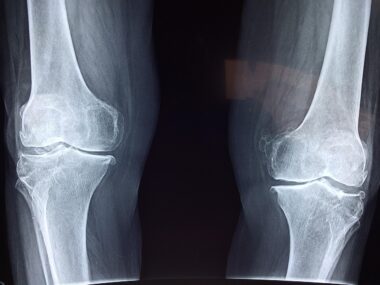
Diagnosis of patellar luxation generally involves a detailed physical examination conducted by a veterinarian, alongside imaging techniques such as X-rays. These assessments help to determine the severity and underlying cause of the patellar luxation, guiding potential treatment options. Treatments can vary widely, ranging from non-invasive management to surgical interventions, depending on the severity of the condition. For mild cases, veterinarians may recommend physical therapy and pain relief medications to enhance mobility and alleviate discomfort. In more severe scenarios, surgical intervention may be necessary to reposition the kneecap correctly, often involving methods such as deepening the groove where the kneecap resides. Post-surgery, a rehabilitation program is crucial to ensure the recovery of full function in the limb. Pain management and gradual reintroduction to activity are essential during recovery. The invisibility of this issue often warrants continuous monitoring post-diagnosis; thus, regular vet visits are recommended to assess progress. Overall, both methods aim to restore mobility and comfort to affected dogs, which is essential for their quality of life.
Long-term Management Strategies
When managing a dog with patellar luxation, long-term strategies play a crucial role in maintaining joint health and mobility. Implementing a multi-faceted approach helps mitigate the risks associated with this disorder. Nutrition is foundational; a balanced, high-quality diet ensures that dogs maintain their ideal weight, further reducing joint stress. Dogs may significantly benefit from weight management programs if they are overweight. Regular, controlled physical activity tailored to the dog’s capabilities enhances muscle strength around the knees. Joint health supplements, like fish oil, can also improve the condition by reducing inflammation and promoting repair. Routine veterinary check-ups become integral in monitoring the limb’s condition over time. Various physical therapies, such as hydrotherapy and massage, have shown effectiveness in managing symptoms, improving flexibility, and minimizing pain. Furthermore, using supportive devices, like braces for extra support during active periods, can also help. Regularly assessing the dog’s comfort level during activities ensures that their quality of life remains optimal. Following these management strategies can significantly improve the long-term prognosis for dogs with this condition.
A common misconception surrounding patellar luxation is that it only affects older dogs. In reality, both young and adult dogs can be impacted. Congenital luxation is often seen in puppies as a result of genetic factors. Likewise, injuries and degeneration over time can lead to acquired luxation in mature pets, making awareness crucial among dog owners. Educational resources, campaigns, and discussions with veterinarians can help alleviate misunderstandings concerning this orthopedic disorder. Additionally, it’s important to recognize that luxation may recur even after corrective surgery, urging a proactive stance in management and monitoring post-operation. Dog owners should be prepared to adjust their approaches based on any physical changes in their pets. A solid understanding of the recovery process is necessary for owners, as demonstrating support for their dog’s mobility needs will enhance healing and longer-term functionality. Encouraging communal support among pet owners experiencing similar challenges can foster an environment of advice-sharing. Greater awareness leads to improved outcomes and better lives for our canine companions affected by patellar luxation, ensuring they remain active, happy members of the family.
Conclusion: Caring for Dogs with Patellar Luxation
Patellar luxation, while a challenging diagnosis, does not equate to a life devoid of playfulness or joy for dogs. Understanding this condition empowers owners to make informed decisions alongside their veterinary professionals. Tailoring treatment plans that include dietary management, exercise regimens, and veterinary interventions fosters an environment conducive to recovery. Expanding knowledge about patellar luxation highlights the importance of early intervention and appropriate management strategies, ensuring dogs maintain an excellent quality of life. Owner commitment is crucial, including regular communication with veterinarians and adherence to recommended guidelines. Furthermore, responsible breeding practices can mitigate the risk of congenital luxation, which is essential to healthier dog populations. Nevertheless, managing patellar luxation successfully requires a holistic approach that incorporates education, action, and compassion. Dogs that receive consistent quality care flourish in their homes and become less restricted by their medical conditions. By equipping ourselves with knowledge and support resources, we advocate for the health and happiness of our canine companions, fostering strong bonds based on understanding and above all, love.