
Close-up Composition Rules for Capturing Cat Details
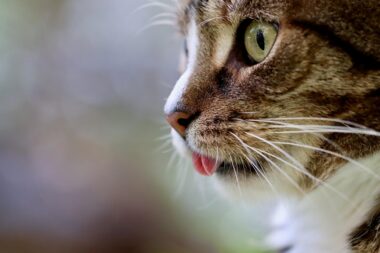
Capturing stunning images of cats requires understanding a few composition rules that significantly enhance your photos. Close-up photography focuses on bringing out details that highlight a cat’s unique features. To start, use a shallow depth of field; this keeps the cat in sharp focus while beautifully blurring the background, emphasizing its distinct fur pattern or eye color. Utilizing natural light is also crucial; it creates a softer appearance that makes the subject look more appealing. Positioning the camera at the cat’s eye level provides an engaging view that showcases its personality. Additionally, practice the rule of thirds to draw the viewer’s eye toward your subject’s expressions and movements. By placing the cat off-center, you create a more dynamic and engaging composition. Furthermore, experiment with different angles; shoot from below or above to reveal unique perspectives of your feline friend. Lastly, be patient; waiting for the right moment can result in incredible candid shots that capture the essence of your cat’s behavior. These compositional techniques will undoubtedly improve your cat photography, allowing you to cherish and document those unique feline moments.
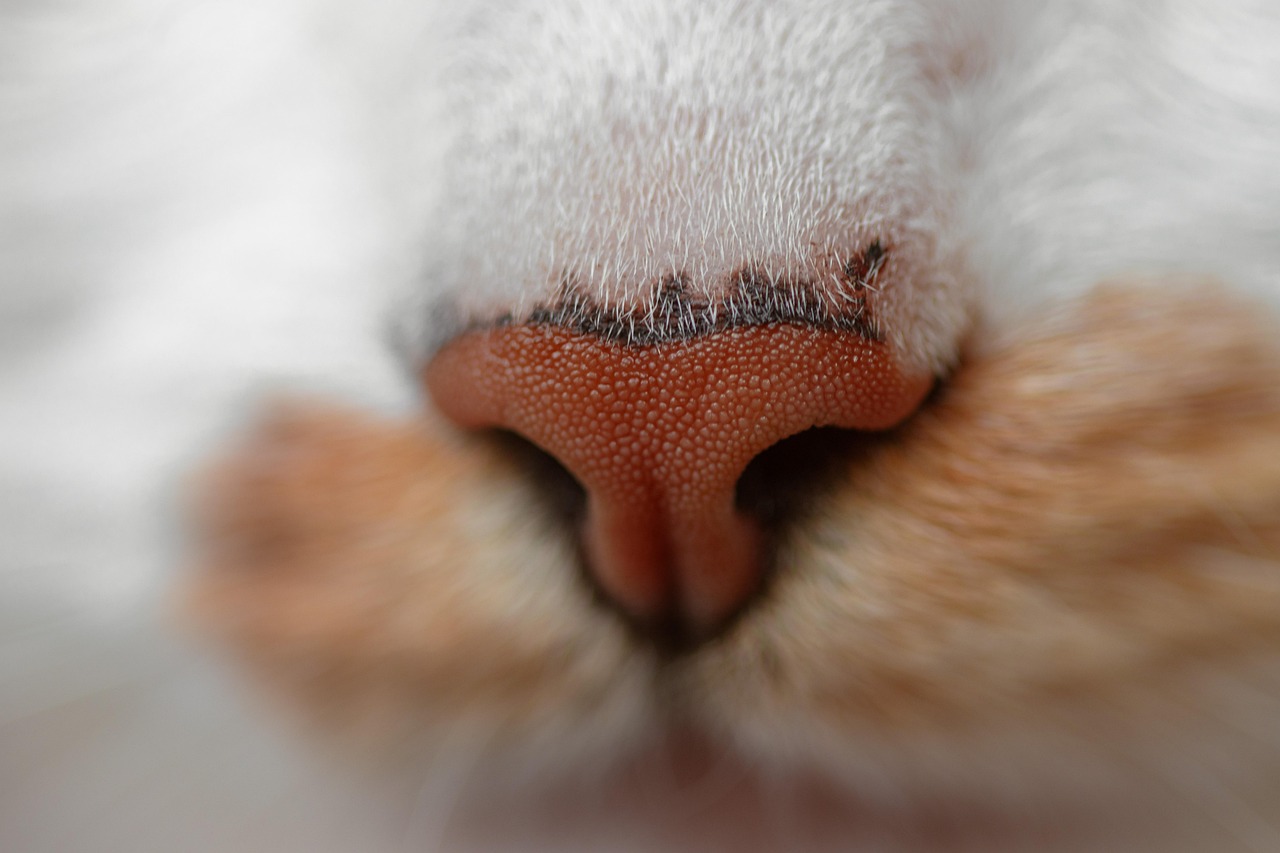
Another important aspect of cat photography is attention to detail. Focusing on specific facial features, such as whiskers, eyes, or paws, can tell a compelling visual story. First, always ensure that the cat’s eyes are in focus; they are often said to be the windows to the soul, enhancing emotional impact. Utilizing macro lenses allows you to capture finer details and textures. Incorporating props, like toys or blankets, can add context and depth to your images. Instead of merely capturing a cat’s face, try to encapsulate its personality by including parts of its surroundings that tell a story. Additionally, consider the color palette of your photographs; complementary colors between the cat and its environment can create a more striking image. When planning a shoot, think about finding locations that have interesting backgrounds while remaining blurred and unobtrusive in the final image. Remember to pay attention to your timing and lighting; golden hours around sunrise and sunset can enhance the photo’s mood and warmth. A combination of these techniques not only enriches the visual allure but also assists in creating memorable images of your cats.
Framing and Background Choices
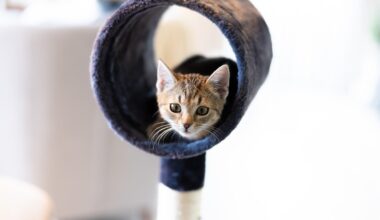
In close-up cat photography, framing your subject well can dramatically elevate the overall quality of your image. Practice utilizing natural frames, such as doorways, branches, or windows, to direct focus to your cat. Including elements of the surrounding environment helps tell a richer story about the cat. Always ensure the background is not distracting; opt for soft, blurred spots to keep the focus on the cat itself. Using colors that complement the cat’s fur helps create harmony within the image. Explore varying distances and focal lengths; sometimes, a close-up on a paw can evoke curiosity. Experimenting with foreground elements can also create depth, enhancing the three-dimensional effect of the photograph. Lighting plays a critical role here as well; soft diffused light prevents harsh shadows, allowing for a smoother appearance. Pay attention to reflections and shadows; they can add drama and intrigue when used creatively. Also, consider negative space; leaving areas around the subject can create an airy feel, allowing viewers to focus more heavily on the intricate details of the cat. Mastering these framing techniques is essential for any aspiring cat photographer.
Captivating cat portraits also rely heavily on capturing emotions. Understanding feline behavior is essential for knowing when to photograph spontaneous, playful moments. Utilizing treats or toys can help to elicit specific reactions, leading to powerful images. Use continuous shooting mode on your camera to catch a sequence of actions that describe your cat’s personality. Aim to capture your cat’s joyful expressions during play or serene moments during rest. Close-up shots often benefit enormously from capturing the intensity of a cat’s gaze, allowing viewers to connect emotionally with your subject. Timing is everything; anticipate movements and expressions to catch those brief instances of emotion. Additionally, consider using modes on your camera designed for action photography to ensure clarity in a fast-paced setting. Post-processing can also enhance emotions; adjusting contrast and saturation can elevate the mood of the image. Finally, try capturing the cat in various light conditions, like experimenting with backlighting to create a halo effect around your subject. This strategy adds a dramatic flair to close-up shots, making them memorable and impactful. Aim to create images that resonate, allowing viewers to feel connected to your feline subject.
Editing and Post-Production
Once your close-up cat photographs are captured, the editing process begins. Post-production enhances the core components of your images, making them more visually appealing. Start with cropping; a well-cropped image can remove distractions and emphasize your subject more effectively. Adjust brightness and contrast to ensure your cat’s features stand out. Be mindful of overly heavy editing; aim for a natural look that showcases the cat’s authenticity while improving the image quality. Color correction is another critical aspect; matching the colors to real-life ensures your photographs maintain a true essence. Utilize sharpening tools sparingly to bring out details like fur textures while avoiding an unnatural appearance. Retouching minor distractions, such as lint or scratches, can keep the viewer focused on the cat. If you want to create a stylized look, consider applying filters or presets, but only if they complement your subject. Lastly, always save your images in high resolution; this ensures you can print or display them in various formats without losing quality. Mastering the editing process transforms good photos into exceptional ones, showcasing the beauty of cats.
Staying consistent with your cat photography style is vital, as it builds your unique voice as a photographer. Identify what aspects of cat photography resonate with you, whether it be the expressions, the details, or the playfulness of the cats. Establish a routine or theme for your shoots, reflecting your personal passion for capturing feline moments. For example, create an Instagram page dedicated to your cat photography; this allows you to curate your work and engage with fellow cat lovers. Regularly posting helps refine your style while gaining feedback from your audience. Consider collaborating with local cat rescues or shelters for photo shoots; this provides opportunities to showcase different cats and help them find homes. Attend workshops or online courses related to pet photography to further enhance your skills. Networking with other photographers can also inspire new techniques and insights into cat photography. Document your progress over time; reviewing past works can highlight your development and innovation. Ultimately, cultivating a recognizable style will set your photography apart and build your reputation as a cat photographer.
Conclusion and Next Steps
In conclusion, mastering close-up cat photography composition rules involves understanding the balance of technical skills and artistic vision. By implementing techniques like shallow depth of field, unique framing, and capturing emotions, you’re well on your way to creating compelling images. The post-processing stage refines your work, ensuring the final photographs showcase your cat’s personality authentically. Experimentation is essential; try new methods and allow your creativity to flow. As you gain experience, remember that patience is key; some of the best photographs come from waiting for the perfect moment. Stay engaged with your subject, take your time, and observe their behavior closely for a greater connection. Share your photography journey through social media or a dedicated blog to inspire others and share your passion. As you continue to develop your skills, consider seeking out additional resources, workshops, or online communities to further grow as a photographer. Commitment and practice will turn your images into stunning representations of feline beauty. Embrace your love for cats and the art of photography; there are countless opportunities to explore and capture unique moments.
Word Count ensures you engage with your audience effectively. It also becomes immensely important considering search engine optimization (SEO). Adjusting SEO practices for online submissions increases the visibility of your work. Learn to incorporate relevant keywords into your blog captions while maintaining the natural flow of the text. Well-written descriptions provide context for your images, improving their discoverability. As you continue to create and share, audience engagement through likes, shares, and comments encourages further growth. Establish social media profiles dedicated to your work; it connects you with fellow photographers and cat enthusiasts. Regularly updating your profiles fosters community engagement and provides inspiration from other creators. The journey of cat photography is ongoing, filled with pathways to explore and conquer. Document your progress in a journal or online platform; this review acts as a reflection of your growth and artistic evolution. Overall, the adventure of capturing feline essence through the lens is rewarding, enriching your life while allowing room for creativity. With practice, patience, and humility, you will transcend your previous work and create art that resonates deeply with you and others.