
Understanding the Difference Between Fear and Stress in Cats
Many cat owners often confuse fear with stress, both of which can affect their pet’s well-being. Fear is a direct response to a perceived threat, whereas stress encompasses a more prolonged state of unease. Understanding these differences can lead to better recognition of a cat’s emotional state and improve their overall quality of life. Cats have a variety of fears that can stem from past traumas or new experiences. Identifying the triggers of their fear is crucial. These triggers may include loud noises, new environments, or unfamiliar people. On the other hand, stress can be caused by factors such as changes in routine, overcrowding, or a lack of stimulation. It is important for cat owners to recognize these signs of fear to provide appropriate interventions. The key is to create a safe space for cats. One effective method is to provide them with hiding spots. These can be simple boxes or specialized cat trees. Additionally, consider using pheromone diffusers that can help in calming stressed cats.
To distinguish between fear and stress, observe the cat’s body language. Fearful cats often exhibit defensive postures, such as arched backs, flattened ears, and a crouched stance. These physical cues indicate that the cat feels threatened and is ready to defend itself. In stark contrast, a stressed cat may show signs of lethargy, excessive grooming, or even aggression. Recognizing these subtle differences allows owners to respond more effectively. For instance, if a cat displays fear, soothing techniques such as gentle talking or offering treats may be beneficial. Understanding the root of the fear is key. On the other hand, if stress is evident, providing environmental enrichment is crucial. Interactive toys, scratching posts, and climbing structures can significantly alleviate stress-related behaviors. It’s also helpful to establish a routine to enhance a cat’s sense of security. The importance of routine cannot be overstated, as a predictable environment can help mitigate stress. Consult with a veterinarian if changes in behavior persist, as they may recommend behavioral therapies or medications to help manage the cat’s emotional well-being.
Recognizing Fear Responses in Cats
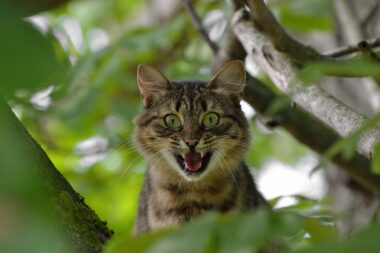
Recognizing fear responses in cats involves careful observation and understanding of feline behavior. The first step is to be aware of common vocalizations associated with fear, such as hissing, growling, or yowling. These sounds clearly indicate discomfort or fear. It is beneficial for owners to document these reactions in various situations. Some cats may retreat or hide, showing avoidance behavior when frightened. This can be a clear sign that they need more security. Another key aspect is monitoring their eating habits; a fearful cat might eat less or refuse food altogether. Often, increased hiding or seeking solitude is a strong indication of fear. Furthermore, providing safe hiding spots is advisable where cats can retreat when feeling frightened. Creating a sanctuary for your cat can help minimize their fear responses. Enrichment activities should also be incorporated to divert attention away from fear-inducing situations. Toys, particularly interactive ones, can encourage healthy play and significantly lower fear levels. Being proactive and recognizing these signs can make a difference in a cat’s daily life, leading to a more secure environment.
In addition to vocalizations and behavior changes, physical symptoms may also indicate that a cat is experiencing fear. Increased heart rates, rapid breathing, and dilated pupils are all notable signs that fear is present. An owner should also be cognizant of their cat’s grooming habits, as excessive grooming can signify not just anxiety but also fear. Cats may even develop compulsive behavior patterns when overwhelmed by fear. Establishing trust is essential for fearful cats, as they may be slow to engage or play. Patience is vital in these scenarios, as rushing the process can further exacerbate fear. For effective intervention, gradual exposure to fear-inducing stimuli can slowly desensitize your cat over time. Positive reinforcement strategies promote confidence and encourage brave behaviors. Providing treats or soft praise when the cat approaches challenging situations will help build trust. Gradually, as your cat becomes accustomed to previous fears, you will likely notice improvements in their behavior. Enhancing the environment can also lead to better outcomes by focusing on creating a low-stress space for your furry companion.
Understanding Stress in Cats
Understanding stress in cats is essential for maintaining their mental and physical health. Stress can manifest in various ways, including changes in attitude, appetite, or general activity levels. Behavioral signs of stress in cats include excessive vocalization, clinginess, or avoidance behaviors. It is also common to see changes in their eating habits; stressed cats may overeat or refuse to eat altogether. These stress signs should not be ignored, as chronic stress can lead to more severe health issues, including urinary problems or gastrointestinal disturbances. Stress often arises from environmental changes, new pets, or household disturbances. Being conscious of environmental stressors can help prevent these issues before they escalate. Creating a stress-free environment for a cat should be a priority for every owner. A calming space with cozy hiding spots, vertical spaces, and toys promotes a sense of security. Owner interactions matter too, as creating a predictable routine can significantly alleviate stressors. Make sure to minimize loud noises and unexpected guests during vulnerable times. Additionally, consider engaging an animal behaviorist if stress issues persist, as professional guidance can often provide tailored strategies for specific situations.
Moreover, understanding the impact of stress on a cat’s health is crucial for long-term well-being. Chronic stress can lead to difficulties in the urinary tract, which may turn into serious medical conditions if not addressed. Preventive health measures include regular vet checkups and appropriate vaccinations to address underlying issues. To further combat stress, incorporate daily playtime into your cat’s routine, allowing them to release pent-up energy and anxiety. Regular interactions, such as gentle petting or quiet time together, can provide reassurance and companionship. Additionally, using calming products such as feline pheromone diffusers or sprays can create a more relaxing home environment for your cat. If natural remedies are desired, consider consulting with a veterinarian for recommendations tailored to your specific pet. It’s vital to remember that every cat is unique, and their responses to stressors can vary widely. Identifying stress triggers will empower pet owners to make necessary adjustments, improve their cat’s emotional health, and potentially enhance behavior patterns to promote overall well-being.
Coping Mechanisms for Cats
Coping mechanisms for cats are essential tools that can help alleviate fear and stress. Providing environmental enrichment includes various activities that cater to a cat’s natural instincts. Incorporate climbing structures, scratching posts, and interactive toys to stimulate physical and mental engagement. Additionally, try to create a calm atmosphere through music or ambient sounds that signal safety. If your cat consistently displays signs of fear or stress, it may shine light on deeper issues that need addressing, such as past trauma or chronic stressors. Gradual desensitization techniques can be effective in teaching cats to cope with fear-inducing stimuli. Start with low levels of exposure and reward calm behavior immediately. For example, slowly introduce your cat to a new environment while ensuring treats and praise follow each brave action. The introduction of playtime can be beneficial too, as engaging regularly fosters a positive association with potentially fearful experiences. Always remember that patience is key; rushing the process could lead to regression. When introducing new stimuli, do so slowly and always monitor your cat’s reactions, adjusting accordingly to better support their coping strategies.
In conclusion, understanding and differentiating between fear and stress in cats is essential for proper care and support. Cat owners must be observant of their pets’ behaviors, as these signs can lead to early intervention and better management of underlying issues. Providing a safe, calm environment, along with engaging activities, is vital for a cat’s emotional health. Whether fear or stress, the response should be thoughtful, involving adequate resources to promote healing. Regularly monitoring your cat’s behavior can result in timely responses to stress or fear. For serious cases, consider consulting animal behaviorists or veterinarians for professional advice. Their insights can equip you with the best techniques for your unique cat. Lastly, always ensure that your cat knows they are safe and loved, which greatly contributes to their overall sense of security. By focusing on these aspects, you can foster a nurturing atmosphere that promotes comfort and happiness in your feline friend.