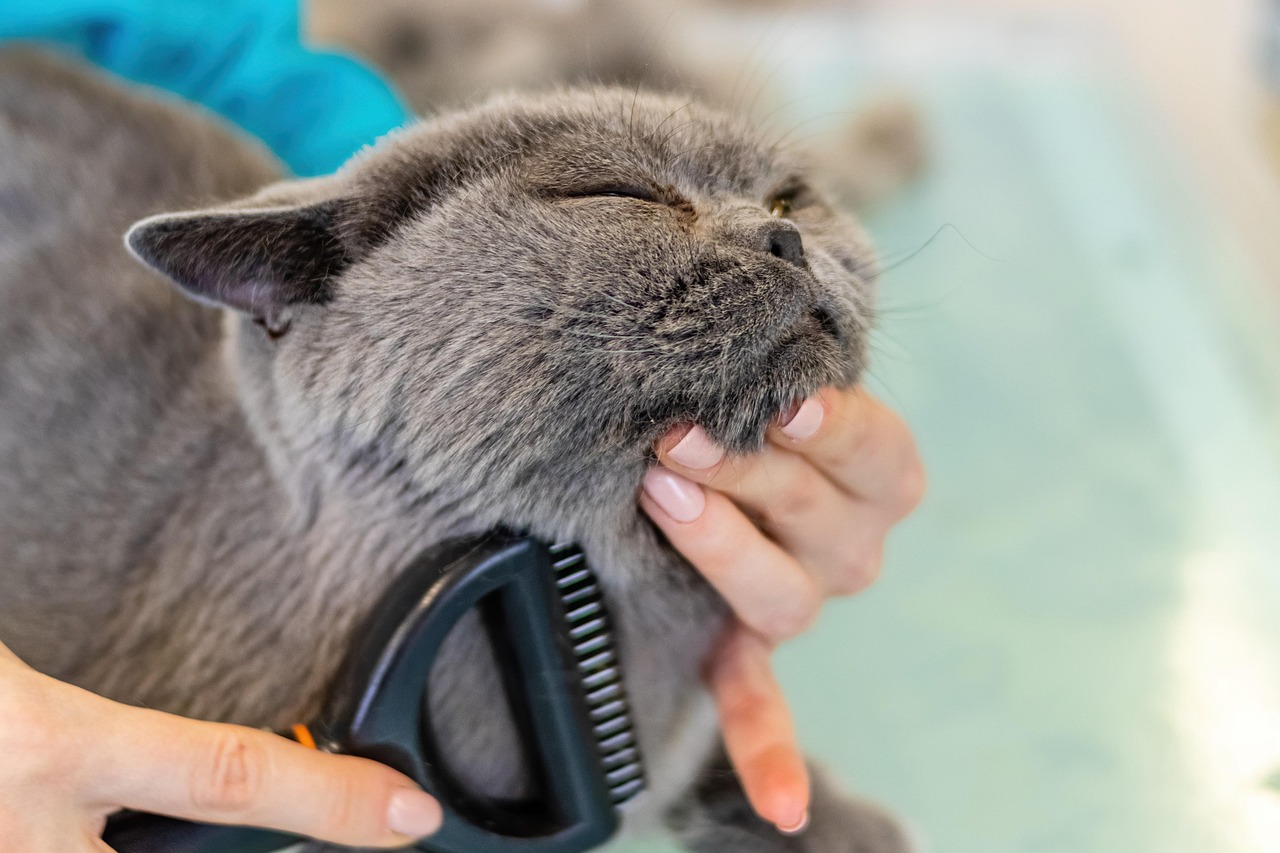

Emergency First Aid Tips for Grooming Accidents
When owning a cat, grooming is an essential aspect of maintaining their health and well-being. However, accidents can occur during the grooming process, leading to injuries that may need immediate attention. Familiarizing yourself with basic first aid principles can be a lifesaver in such situations. Always keep a well-stocked first aid kit specifically for your pet nearby. Include items such as antiseptic wipes, gauze pads, bandages, and scissors. Additionally, knowing the body parts that are most prone to injuries during grooming can also be beneficial. For instance, cats can easily injure their ears or paws due to the grooming tools. If your cat gets a small cut or scrape, first clean the area gently with a saline solution. Cover it with a sterile bandage, ensuring it is not too tight. If the bleeding doesn’t stop, or if the injury appears severe, consult your veterinarian immediately for further treatment. Always remain calm during these incidents, as your cat can pick up on your stress and may react unpredictably. Keeping a calm demeanor helps both you and your pet during any grooming accidents.
In some cases, cats can become agitated during grooming, which may lead to accidents. If your cat shows signs of stress, such as hissing or biting, it’s crucial to address this behavior promptly. Take a break and give your cat space to cool off. Once calm, consider utilizing treats or toys to create positive associations with grooming. Your approach will influence how your cat handles future grooming sessions. Additionally, familiarize yourself with potential signs of injury. Cats may show subtle signs like limping, excessive licking, or vocalizing. Or they might exhibit aggressive behavior when you touch a sensitive area. If you suspect your cat has sustained an injury, assessing the situation quickly is paramount. Applying gentle pressure to a bleeding wound can help control the bleeding until you reach the vet. Moreover, if you encounter a more serious injury, such as a deep cut or puncture, it’s crucial to transport your cat to a veterinary clinic as soon as possible. Understanding these aspects of grooming safety can significantly minimize the risk of accidents and provide a smoother grooming experience for both you and your cat.
Dealing with Cuts and Scrapes
Dealing with cuts and scrapes during cat grooming is vital to ensure your feline friend’s health. Begin by assessing the extent of the injury. If it appears to be a minor cut, clean the affected area using a gentle antiseptic solution that is safe for pets. Avoid using alcohol or hydrogen peroxide, as these can be painful. Instead, opt for products specifically designed for pets. After cleaning, apply a sterile gauze pad over the cut and secure it in place with medical tape, ensuring it’s not too tight. This type of first aid leads to quicker healing and provides protection from infections. For deeper wounds, controlling the bleeding is critical before seeking veterinary care. Applying steady, gentle pressure with a clean cloth can help. If bleeding persists or if a deep wound is identified, wrapping the injury may be necessary for transport to a veterinarian. Utilize a soft blanket or carrier for comfort. Prompt veterinary attention reduces the risk of complications and ensures proper treatment, allowing your pet to recover swiftly. Understanding how to respond to cuts and scrapes effectively prepares you for any grooming accidents.
In addition to cuts and scrapes, grooming can also lead to more complex injuries, such as burns or abrasions from clippers or scissors. If you notice redness or irritation, it’s important to cool the area immediately using a clean, damp cloth. This method helps alleviate pain and reduces inflammation. Next, keep the area clean and dry, avoiding any ointments unless advised by a veterinarian. Regular checks on the wound are crucial during the healing period. If the condition worsens, such as showing signs of infection, seek veterinary assistance without delay. Always monitor your cat’s behavior as well; if your cat appears lethargic or refuses to eat, these could be signs of distress requiring further examination. Additionally, educate yourself on common risks associated with the grooming tools you use. Ensuring these tools are maintained properly can prevent accidents. For example, keep scissors away from your cat’s reach and avoid clippers with exposed blades. Understanding these strategies makes a significant difference in managing potential grooming accidents smoothly, creating a safer environment for your beloved feline companion.
Preventing Grooming Accidents
Preventing grooming accidents starts with preparation and understanding your cat’s behavior. Start by ensuring your cat feels comfortable during grooming sessions. A familiar environment can reduce stress, so consider grooming in a quiet area. Gradually accustom your cat to the process, allowing them to become familiar with the grooming tools beforehand. Engaging your cat in playtime before grooming may help ease them into the experience. Additionally, ensure to use appropriate grooming tools designed for cats. Selecting the right brush or comb type can significantly minimize the risk of injury. For instance, avoid using brushes with sharp edges or metal teeth that could harm your cat’s skin. Always groom in the direction of hair growth to prevent pulling or discomfort. Regularly inspect your grooming tools for wear and damage, as dull blades can lead to accidental injuries. Furthermore, consider taking breaks when grooming to maintain your cat’s comfort. If your cat shows agitation, it’s best to stop and resume later when they are calmer. Preventative measures taken during grooming help maintain a safe and pleasant experience for both you and your pet, making it an enjoyable bonding time instead of a stressful one.
It’s also essential to remain alert while grooming your cat, as accidents can occur in the blink of an eye. Your focus should be solely on your pet during these moments. Distracted actions increase the chances of mishaps, resulting in injuries. Always keep one hand on your cat to help them stay secure and comfortable, ensuring they don’t scamper away and hurt themselves. If your cat tends to squirm, enlist a second person to help hold your cat gently while maintaining control. This method allows you to focus better on grooming tasks without worrying about your kitty’s sudden movements. Also, ensure that the grooming area is secure, with no small objects or hazardous materials within reach. A clutter-free environment reduces risks significantly. Should an accident occur, remain calm and address the situation promptly. Panic can spread quickly to your cat, causing more distress. Providing reassurance while tending to their injury can help them feel safe. By prioritizing these actions, you equip yourself with the skills necessary to handle grooming safely and effectively, turning it into a positive experience rather than a challenging ordeal.
Know When to Seek Professional Help
No matter how careful you are during grooming, knowing when to seek professional help is vital. While minor cuts or scratches can be managed at home, more serious injuries require immediate veterinary attention. If your cat exhibits any signs of distress that don’t subside, such as unmanageable bleeding, swelling, or signs of pain, it’s crucial to take them to the veterinarian immediately. Additionally, if you observe difficulty in mobility or strange behavior post-grooming, it may indicate an undetected injury that needs to be further examined. Always be proactive about your cat’s health. Schedule regular veterinary visits where necessary, especially when grooming at home. These visits not only ensure their overall health but also prepare you for emergencies. Your veterinarian can provide excellent resources, including first aid classes or tips on best practices during grooming. Keeping open lines of communication with your vet will empower you in emergencies. The knowledge gained from such resources can enhance your capabilities when encountering grooming accidents, ultimately benefiting your cat’s well-being and your relationship with them.
When responding to a grooming accident, remember to stay composed and approach the situation with confidence. Cats are sensitive creatures, and your calm demeanor can help reassure them during distressing moments. Discussing grooming techniques and safety tips with other cat owners can broaden your understanding and provide helpful insights. Look for community forums or groups focused on pet care, where shared experiences can offer valuable knowledge. Sharing stories allows you to learn from others’ mistakes while also embracing best practices. Also, consider seeking professional grooming assistance for particularly difficult-to-groom cats. Professional groomers are trained to handle various cat behaviors and can provide a safe grooming experience. They can also spot potential issues before they become serious. Remember, maintaining the health and safety of your cat during grooming is the top priority. Through education, preparation, and preventative measures, you create the best environment for a positive grooming experience. When accidents do happen, having effective first aid measures can make all the difference in your cat’s recovery process. Being prepared ensures that both you and your cat remain safe and happy during grooming sessions together.