
How to Gradually Desensitize Dogs to Grooming Equipment
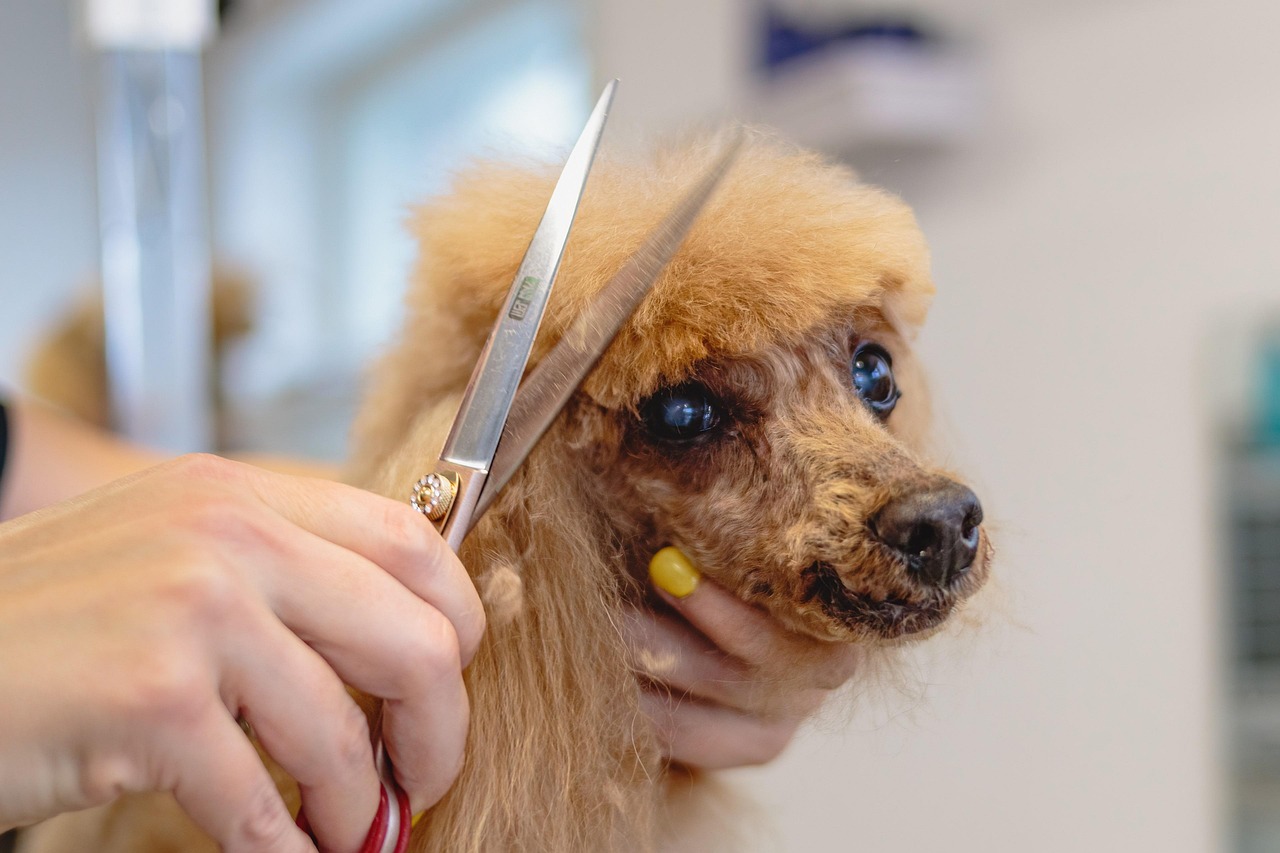
Grooming is an essential part of pet care, but it can often trigger anxiety in dogs, particularly when it involves equipment they are unfamiliar with. Gradually desensitizing your dog to grooming tools can make the process smoother and more enjoyable for both the pet and the owner. Start by introducing the equipment gradually, allowing the dog to explore items like clippers, brushes, and scissors without direct contact. This exploration phase helps the dog associate the tools with a positive experience instead of fear. Remember, patience is vital; avoid forcing interactions. Keep sessions short and upbeat, using treats and praise to reinforce positive behavior and reward your dog’s curiosity towards the tools. Additionally, consider the environment where grooming occurs. A calm, familiar space will help your dog feel secure. Remember, this step impacts their comfort level significantly. By taking these cautious steps, your dog can become less fearful and more receptive to grooming equipment, leading to successful grooming sessions in the future. Over time, your dog will learn that grooming can be a regular and safe part of their routine.
Next, it is essential to get your dog accustomed to the sound of grooming tools. This can be done by simply turning the equipment on without any physical contact with the dog. Start with clippers at a distance where the dog feels comfortable, gradually decreasing that distance over time as they adjust to the sound. Pair the sound of the tools with rewarding experiences, such as treats or playtime, ensuring that each positive association helps to ease their anxiety. Repetition is critical, so be consistent in exposing your dog to these sounds. Make it an enjoyable experience by introducing a fun element, like their favorite toy or a long-lasting treat that can distract them. This will help reduce fear and instill confidence whenever these tools are involved. Additionally, guiding them through each sound will help them to understand that there is nothing dangerous about it, thus changing their perception. For optimal results, conduct this training regularly. Consistency in practice will reinforce their comfort and adaptability towards grooming sounds significantly over time.
Creating Positive Associations with Tools
After your dog is comfortable with the equipment’s sights and sounds, the next step is to create positive associations with these tools. Begin by allowing your dog to sniff and examine the equipment while you engage in play. Holding the tools where the dog can reach them will encourage curiosity and exploration. Each time they approach or interact with the items positively, offer rewards—like treats and verbal praise—to strengthen their connection with the grooming tools. Keep these positive experiences short, focusing on their comfort level. If your dog shows signs of anxiety, reassess the situation and give them space. Gradually, as they become more relaxed, you can introduce the brushing or grooming process in small, manageable portions. Comb or brush a small section, then immediately follow with praise or a treat. This rewarding practice enhances their understanding that grooming is a pleasant and rewarding activity rather than a stressful chore. Your patience and consistency are crucial in this journey, gradually helping your dog become accustomed to grooming without fear, promoting a hassle-free grooming routine.
Ensuring your dog’s comfort during the grooming process extends beyond just introducing equipment. The handling of the dog is also equally important. Familiarize your dog with various touch points where grooming will occur. Reward them for allowing you to touch and handle parts of their body they may otherwise be reluctant to expose. Areas such as their ears, paws, and tail can be particularly sensitive, so proceed gently and encourage them throughout. Create a routine, integrating these touch experiences into play or regular petting sessions. This gradual handling will help them associate grooming with normal, caring interactions. Another helpful tip is using gentle restraint when needed, such as a soft grooming harness when clipping or brushing. This offers security without causing distress. Use calming words to reassure them that everything is okay during these periods. Keep in mind that your demeanor will influence your dog’s mood; staying calm and relaxed will help them feel at ease. As a result, your pet will become more used to being handled, reducing their anxiety whenever grooming time comes around.
Gradual Introduction to Grooming Sessions
As your dog becomes more comfortable with the tools and handling, you can begin integrating grooming into their routine. Start with simple tasks such as brushing them in a friendly environment when they are relaxed. Choose moments when your dog is calm, possibly after walking or playing, to maximize their ability to focus on the grooming process. Introduce brushes slowly, focusing on one section at a time, keeping the initial sessions short. Always supervise their reactions, and if they appear anxious, pause and allow them to acclimate before proceeding. During these sessions, reinforce positive behavior by offering treats and affection often. This method allows your dog to associate grooming with good experiences. After successful short sessions, you can gradually increase the grooming duration as your dog becomes accustomed to the experience. Consistency is vital; the more they experience it positively, the more comfortable they will feel overall. In time, this gradual introduction will lead to stress-free grooming experiences that benefit both you and your canine companion.
Additionally, it is a great idea to introduce grooming routines through socialization. If your dog is exposed to other pets or experiences where grooming is happening, they can observe that behavior and become more accustomed. Visiting pet salons or taking them to doggy daycare will allow them to see these practices in environments they trust. Watching other dogs receiving grooming can help them learn that they are safe amidst the process. Encourage interactions with well-groomed pets, allowing them to understand the tranquility that comes with grooming. Always supervise these interactions to ensure they are positive and encourage exploration. Also, hosting grooming sessions could be beneficial, inviting fellow pet owners over to practice in a familiar setting for your dog. It will help solidify positive experiences since they will feel secure in their territory. Gradually, the combination of all these experiences will lead your dog to understand that grooming is manageable and nothing to fear. Their willingness to participate in grooming will grow, paving the way for a more regular and seamless grooming routine.
Maintaining Consistency and Patience
Always remember that desensitization to grooming equipment takes time, commitment, and patience. Every dog is unique, and their rate of acclimatization will vary. It’s important to remain observant of their emotions and stress levels as you introduce these new experiences. Develop a consistent grooming schedule that allows your dog to become familiar with the process over time. This might mean doing a short grooming session once a week or a few times a week based on your dog’s comfort. Each grooming session should be a blend of exploration and positive reinforcement, consistently returning to rewarding behaviors with treats or play. Avoid overwhelming them with long grooming sessions, as this can turn the experience into negative behavior. Over time, your dog will likely adapt better and learn to enjoy grooming. By staying patient and flexible, adjusting your approach according to their needs, you facilitate a mutual trust that will enhance your bond with your dog. Ultimately, a well-trained grooming routine can contribute to both physically and emotionally healthier dogs while fostering a stronger relationship.
In conclusion, desensitizing dogs to grooming tools is a gradual process that requires commitment, attentiveness, and patience. Combining techniques to familiarize them with equipment through introduction and observation is key. Positive reinforcement will encourage your dog to adapt happily while interacting with grooming tools. Always offer support during the expanding grooming process and maintain their comfort at the forefront of your strategy. Always check your pet’s reactions, adjusting your techniques if they seem uncomfortable. Grooming can become a pleasurable and stress-free experience through a strategic approach harnessing warmth and encouragement, gradually building your dog’s confidence. Over time, your efforts establish a relationship with grooming as a normal, reassuring part of their care routine, significantly reducing anxiety associated with it. Regularly maintaining these practices after your dog is comfortable is essential for continued acceptance and ease during grooming. Soon, you’ll find that grooming transforms from a dreaded task into a delightful bonding time, encouraging a cooperative spirit between you and your furry friend. Reinforce this progression and you’ll denote a more peaceful grooming experience, contributing to your dog’s overall well-being and happiness.