
Overcoming Challenges When Shooting Dogs in Water
Capturing dogs in water presents unique challenges that require special attention and preparation. The dynamic nature of water can lead to unpredictable dog behavior, making it essential to remain patient while shooting. Dogs are naturally curious, and their excitement may distract them from commands, so it’s crucial to familiarize them with the water before starting the shoot. Proper equipment also plays a significant role; waterproof camera cases can prevent damage while allowing you to capture those splashes and movements. Choosing the right time of day, preferably during golden hours, ensures optimal lighting that can enhance the quality of your images significantly. Additionally, having the right lenses ready can make a substantial difference; consider using a zoom lens that allows you to capture the action from a distance without disturbing the dog. Essential safety precautions must be observed, including ensuring the water is clean and safe for the dog. Always have a helping hand to keep the dog focused and comfortable. With these considerations, you will be better positioned to capture stunning photos of dogs enjoying their time in the water.
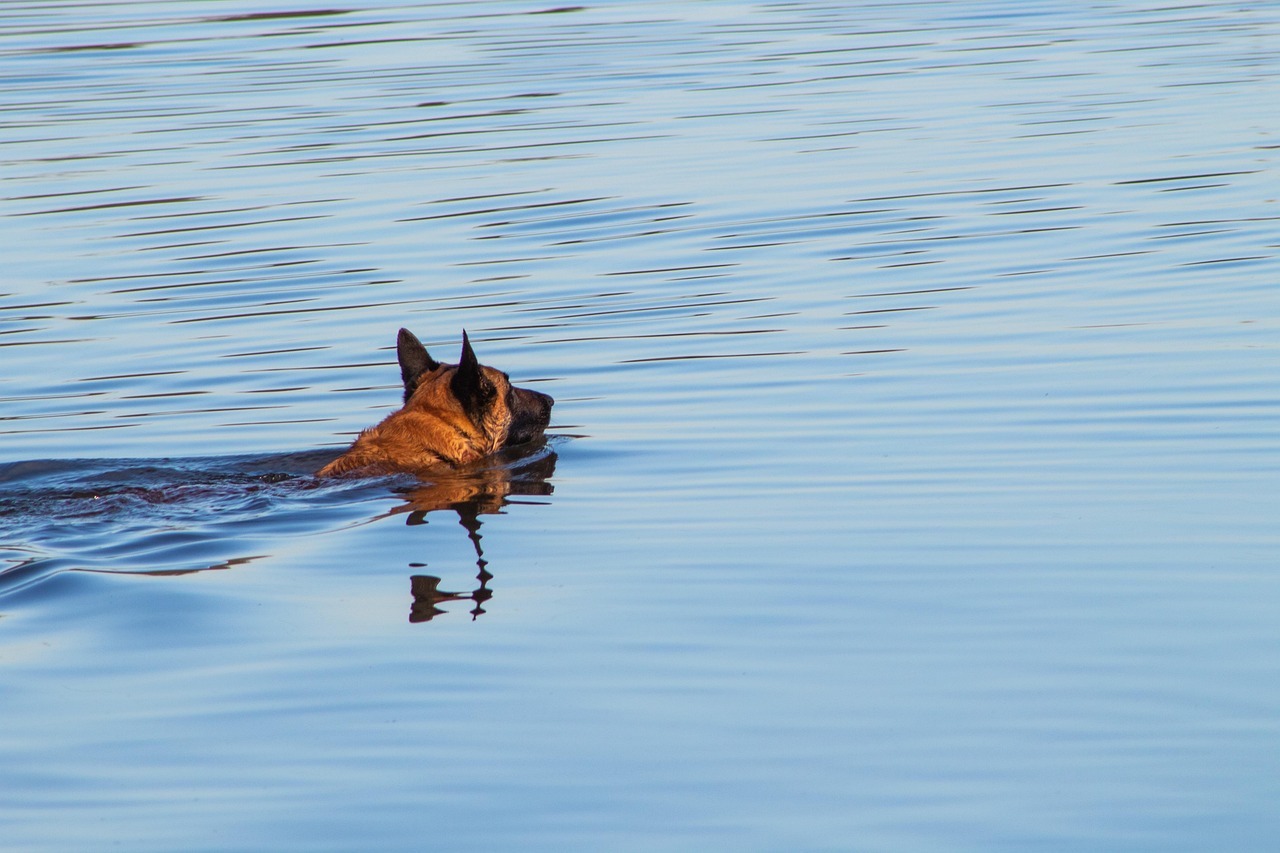
Dogs’ innate love for water can lead to fantastic photographic opportunities but also comes with its complications. Firstly, you must consider the types of water your dog would be swimming in. Not all water is suitable; lakes, ponds, and rivers can host unseen dangers, such as sharp rocks or strong currents. With each location, research beforehand to identify any hazards. It also ensures that you understand the swimming abilities of your dog breed, as not all dogs are natural swimmers. Be prepared to assist your dog if they seem overwhelmed. Carrying a life jacket, particularly for breeds that are less buoyant, can be an excellent precaution. Always prioritize their wellbeing over perfect shots. In addition, unpredictable weather conditions can affect your shoot drastically. Rain or strong winds can impact not just your visibility but also how your dog behaves. Always have a backup plan, such as shooting in an indoor pool, which can simulate the water experience under controlled conditions. Incorporate toys and treats in the session; this builds positive associations while getting them to perform in the desired spot.
Technical Considerations for Water Photography
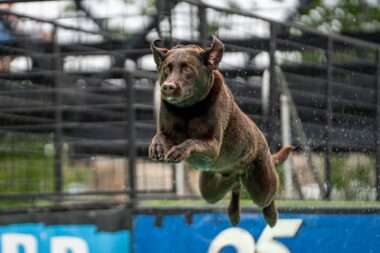
When photographing dogs in the water, various technical elements come into play that can enhance your overall shoot. Exposure control is critical, as shimmering water can create complex lighting situations. Utilizing manual mode gives you the flexibility to adjust your settings as needed. Always aim for a higher shutter speed to freeze the motion of splashes and active dogs in the water. It can help mitigate blurriness, which may detract from the final image quality. A fast lens, ideally with a wide aperture, can assist in achieving stunning depth-of-field effects while allowing enough light to enter. Experiment with different angles as well; shooting from a lower perspective near the waterline can often yield more dynamic and engaging images. Utilize burst mode functions to capture multiple frames in quick succession, giving you options to choose from later. Also, keep an eye on your dog’s position in the water to frame your shots more effectively. Additionally, post-processing can dramatically elevate your photos; consider adjusting contrast and saturation to make those colors pop.
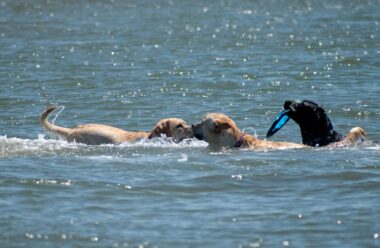
One often-overlooked challenge of shooting dogs in water is managing their excitement level. Dogs can behave unpredictably, especially when they sense a chance to play. To get the best shots, start with some warm-up exercises on dry land. This helps to channel their energy productively. Gradually introduce them to the water while keeping the mood calm and relaxed. Avoid chaos as it may lead to distractions from your goal of capturing an image. Having someone else around to assist can help significantly; while you focus on photographing, the other person can keep the dog entertained and engaged. Timing is equally essential; allow dogs to establish comfort with the environment before clicking away. Additionally, use squeaky toys or floating items to attract their attention, directing their gaze towards the camera. Sitting and waiting can yield some beautiful candid moments, so patience is vital. Capturing the essence of joy in their expressions is the ultimate goal. With careful planning and consideration, these techniques can yield breathtaking images that showcase the beauty of dogs enjoying their time in the water.
Post-Shooting Considerations
After the shoot, reviewing your images is just as crucial as the process of capturing them. First, ensure that all equipment is properly cleaned and dried, especially if your gear went fully submerged in water. Water residue can cause long-term damage if not addressed promptly. When reviewing the images, focus on selecting those that convey emotion and movement. Look for images that highlight the dog’s joy, whether it’s a splash or an enthusiastic leap. Consider applying edits to improve lighting, sharpness, or contrast, thereby enhancing the overall visual appeal. Cropping can also assist in emphasizing the subject, drawing attention to the dog amidst the backdrop of the water. It highlights action shots, capturing the dynamic nature of the scenes. Consider creating a side-by-side comparison of before and after edits as a part of showcasing your work. Post your best images on social media or a dedicated website; this not only builds an audience but can lead to potential photography opportunities. Networking with other canine photography enthusiasts can provide further growth in your craft.
Incorporating special techniques can enhance your photography sessions, leading to incredible shots of dogs in water. For instance, using a polarizing filter can reduce glare off the water’s surface. This results in clearer images, especially on sunny days. It allows for better color accuracy and saturation when shooting in bright conditions. You might also consider experimenting with underwater shots for a unique perspective. Dive housing is available for cameras, allowing for exciting underwater captures of dogs swimming. Another option is to use a GoPro or similar action camera for these shots. These devices are easily mounted and provide dynamic angles. Always conduct test shots to ensure the settings are dialed in and can cope with light variations below the surface. To create a series of images, think of incorporating various types of water — lakes, oceans, and pools — this showcases versatility in your work. Lastly, don’t shy away from user-generated content; encourage dog owners to share their experiences and photos, combining fun stories with incredible shots. This interaction fosters community.
Conclusion
Shooting dogs in water is undeniably a rewarding venture; it offers an array of challenges that can be transformed into growth opportunities. Planning is crucial for successful outcomes, and being conscious of the dog’s temperament as well as your surroundings will yield the best results. Techniques such as understanding your camera settings and employing creative angles significantly enhance your ability to capture the moment authentically. Remember to prioritize safety, both for the dogs and your equipment. Take time during such shoots to foster a positive atmosphere, ensuring dog participants remain comfortable and at ease. Focus also on post-processing to bring creativity into your final product. This dedication to detail can turn an ordinary picture into a timeless memory. Collaboration with dog owners can lead to organic interactions and stories that resonate with audiences, increasing the emotional engagement of your work. Embrace any mishap as part of your growth, as every challenge faced sharpens your skills further. With the right approach, you can create stunning imagery that truly reflects the joy of dogs playing and swimming in water.
As you focus on building your portfolio of canine water shoots, consistency in practice will advance your skill set. Making adjustments and learning from past experiences will benefit your upcoming sessions. Engaging with other photographers, sharing insights, and discovering new techniques can nurture your passion for dog photography. Continually seek to improve while being commendable about your unique perspective on dog lives. Eventually, your work will not only showcase incredible moments of water play but the essence of companionship between dogs and their owners. It’s all about storytelling through imagery.