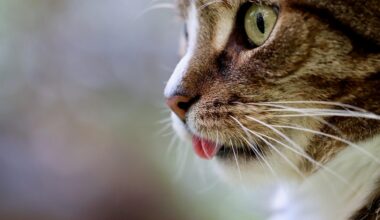

The Importance of Regular Vet Checkups to Control Aggression in Older Cats
Understanding aggression in older cats requires first recognizing how physical health impacts their behavior. Many times, older cats exhibit aggression as a reaction to pain, discomfort, or underlying health issues. Regular veterinary checkups can be invaluable in diagnosing these hidden problems. During these appointments, vets check for common ailments such as arthritis, dental disease, or other conditions that can cause stress and lead to aggressive behavior. Identifying these issues early can significantly improve a cat’s quality of life. Additionally, older cats may undergo hormonal changes that influence aggression. A thorough examination helps in ruling out medical conditions that may provoke aggression and provides pet owners with peace of mind. Cats, like humans, can also experience behavioral changes due to stress or anxiety linked to their environment. By ensuring that older cats receive appropriate veterinary care, owners can better manage and mitigate aggression. Moreover, ensuring routine vet visits not only benefits health but also fosters a stronger bond between the pet and owner. Noticing signs of discomfort early can lead to behavioral improvement, creating a more harmonious household for everyone.
Aside from regular vet visits, understanding triggers that may cause aggression is crucial. It’s essential for cat owners to observe their feline companions closely and monitor their reactions to different stimuli in their environment. An older cat may become aggressive towards young children, other pets, or even changes in household routines. Stressors may include unfamiliar visitors or loud noises, which can overwhelm older cats. Awareness of individual personality traits can help in predicting and managing aggressive outbursts. This is where consistent behavioral observation comes into play. Keeping a journal detailing incidents of aggression can provide insights into patterns and potential causes. This information is invaluable when discussing behavior with your vet or a pet behaviorist. Moreover, investigating environmental modifications might further aid in reducing aggression. Implementing controlled interactions with other pets, providing hiding spots, or creating quiet zones can significantly enhance their well-being. In turn, decreasing feelings of vulnerability may lower aggression levels. Finding the right solutions often requires patience and a thorough understanding of an older cat’s psychology. Providing a stable and peaceful environment will contribute greatly to improved behavior.
Behavioral Interventions for Aggressive Cats
In addition to routine checkups, behavioral interventions can be pivotal in addressing aggression in older cats. Owners can consider various methods to alleviate their pet’s aggression related to health issues. Positive reinforcement training focuses on rewarding desirable behaviors rather than punishing aggressive ones. This approach helps older cats feel secure, leading to a decrease in aggressive reactions. Training ideas may include offering treats, praise, or affection when they exhibit calm behavior. Environmental enrichment is another effective strategy. It involves providing interesting activities and toys to keep cats mentally stimulated and engaged. Scratching posts, climbing towers, or interactive toys can divert their energy away from aggression. Moreover, considering their need for solitude and safety is crucial. This may mean creating safe spaces where older cats can retreat and relax away from stressors. Additionally, pheromone diffusers can help calm anxious cats, acting as a natural remedy for creating tranquility. Each cat is unique, so it may take time to discover which interventions are most effective. Gradually integrating these strategies can lead to long-term behavioral improvements.
Older cats suffering from aggression may also benefit from exploring alternative therapies. Many pet owners are turning to holistic approaches alongside veterinary advice. Techniques such as acupuncture, aromatherapy, and massage therapy can work wonders in easing anxiety and stress, potentially reducing aggressive behavior. Each technique aims to promote relaxation and overall wellbeing, thus addressing the root cause rather than just the symptoms. Consulting with a veterinarian experienced in holistic methods can provide valuable insight into integrating these treatments safely. Furthermore, understanding the importance of medication is vital. In some severe cases, veterinarians may prescribe anti-anxiety or calming medications to help manage aggression. Medications can play a vital role in restoring a sense of stability in an older cat’s life, making them more receptive to behavioral training. Whether using traditional medication, holistic treatments, or a combination of both, the goal remains the same: to improve the quality of life for older cats while reducing aggression provoking stress. Each method’s effectiveness may vary, underscoring the need for personalized care plans tailored to each cat’s unique circumstances.
Owner Education and Support
Education plays an essential role in managing aggression in older cats. Cat owners must stay informed about their pets’ changing needs as they age and develop behavioral strategies. Participating in workshops or online courses focused on feline behavior can empower owners with knowledge on handling aggression effectively. Networking with other cat owners can also be beneficial. Sharing experiences can provide strategies that have worked for others facing similar challenges. Furthermore, engaging with local animal shelters or rescue organizations may offer additional resources. Many organizations provide behavior support or advice through outreach programs. Additionally, online forums and communities dedicated to feline care are excellent venues for gathering information and personal stories. Such collaborative efforts strengthen owner resolve and motivate them to seek help when needed. Encouraging professionals to educate themselves is also vital; veterinarians often have experience with these issues and can provide more comprehensive recommendations, including referrals to qualified behaviorists. As an owner, taking an active role in education ensures the feline’s behavioral and emotional needs are met comprehensively, thus reducing aggression in older cats.
Finally, embracing patience as part of the management plan is crucial. Aggression in older cats does not transform overnight; it requires consistent dedication and understanding. As behavioral patterns are assessed, it’s important to appreciate small victories, such as reduced aggression or increased calmness. Monitoring progress is essential as this illustrates the effectiveness of strategies implemented over time. Acknowledging and celebrating improvements, no matter how minor, can uplift morale for both the owner and cat alike. Reassessing routines and interventions every few weeks helps in determining what works best. Moreover, developing a structured daily schedule can enhance predictability, leading to reduced anxiety for aging felines. Creating a safe haven is equally important, ensuring that older cats have their spaces and routines. Successful management hinges on creating a stable environment where they can thrive. Regularly checking in with veterinary professionals allows for adjustments based on the feline’s response to various interventions. In conclusion, addressing aggression in older cats involves a blend of proper veterinary care, tailored behavioral strategies, owner education, community support, and above all, a steady dose of patience.
Ultimately, managing aggression in older cats is an ongoing journey that demands a committed approach from their owners. It is through this unwavering commitment to their cats’ well-being that they can cultivate a supportive environment. By prioritizing regular vet checkups and actively engaging in their feline’s emotional, behavioral, and physical needs, owners can foster a harmonious home life. This comprehensive strategy not only benefits the cat in question but also enhances the overall family dynamics, ensuring that coexistence remains joyful and stress-free. Owners are encouraged to remain vigilant, monitor their cat’s responses to stimuli, and consistently apply learned strategies to manage any displays of aggression effectively. Every positive change represents a significant step towards improved behavior in their beloved older cats. In conclusion, addressing aggression through a multifaceted approach creates a foundation for success. Empowering older cats through improved health, environmental enrichment, and behavioral training is paramount. As these cats age, they should feel secure, loved, and understood, which in turn nurtures a lasting bond between pet and owner. With dedication, patience, and the right strategies in place, managing aggression will ultimately lead to a happier, healthier feline companion.