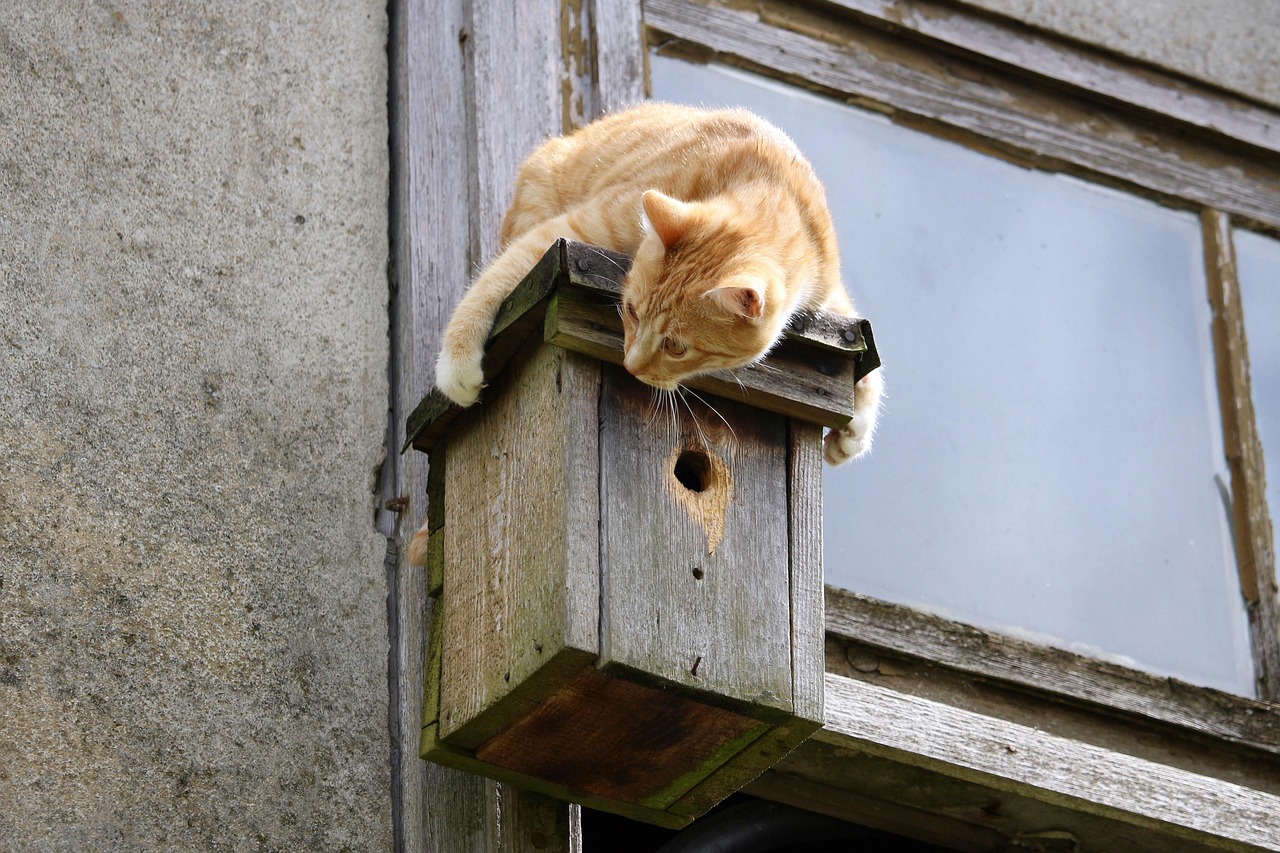

DIY Cat Houses: Simple Plans to Build Your Own Cozy Shelter
Creating a DIY cat house is an excellent way to provide your feline friends with a cozy shelter, while also enjoying the process of building it yourself. Whether you have a spacious backyard or a small apartment balcony, various designs can fit into any available space. Many cat owners recognize the need for their pets to have a safe and comforting area where they can relax, play, and stay warm. A DIY cat house adds functional charm to your outdoor environment, enhancing both aesthetics and your pet’s happiness. In this article, we will explore numerous DIY plans and tutorials, ensuring you have all the necessary knowledge for a successful build. By utilizing simple tools and materials, your cat’s new shelter can become a unique addition to your home. The satisfaction of creating something tailored to your cat’s needs is unmatched. Don’t forget to let your creativity shine through with personal touches that make the cat house truly yours. Let’s dive into the various styles and approaches in constructing the perfect haven for your cherished companion.
Choosing the Right Materials
When it comes to building your DIY cat house, selecting the right materials is essential for durability and comfort. Investing in high-quality materials ensures the longevity of the shelter, protecting your pet from the elements. Wood, for example, is a popular choice due to its strength and natural insulation properties. Plywood, cedar, or treated wood can withstand various weather conditions while offering warmth. It’s important to avoid using toxic woods or materials that could harm your cat. Additionally, insulation material, such as foam boards or straw, can keep the interior cozy during colder months. Waterproofing is crucial too—consider using a waterproof sealant or roof materials to prevent leaks. Consider soft bedding or old blankets to line the interior for added comfort. Not only does this make the cat house more inviting, but it also provides cushioning to ensure your pet’s contentment. Remember to create ventilation in whatever design you choose. This will promote airflow, preventing the house from becoming too hot inside. For maintenance, choose materials that are easy to clean, ensuring a healthy home for your feline friend.
Different designs offer varied functionality when it comes to cat houses. In this section, we will outline a few popular plans that you can easily adapt based on your skills. One option is the classic outdoor cat house, designed for stability and comfort. This design typically consists of an insulated wooden box with a slanted roof to help rain run off. Add a removable roof or side panel for easy access during cleaning. Another popular design is the igloo-style cat house, which utilizes rounded shapes for enhanced insulation. By using sturdy plastic or even straw bales, you can create a unique shelter that mimics natural shelters in the wild. If space is limited, consider a multi-level cat tree house. These designs will provide your cats with plenty of space to climb, perch, and play, mimicking their natural instincts. Assess your available space and cat’s preferences before choosing a design that best fits your home dynamics and their needs. All of the mentioned designs can be modified or decorated to express your personality.
Step-by-Step Building Guide
Once you have selected your design and gathered the necessary materials, it’s time for the exciting part: building your DIY cat house. Start by creating a detailed list of required materials and tools to ensure you’re prepared before you begin construction. Safety should always come first; make sure to wear proper gear, such as gloves and safety goggles. Follow each step carefully and keep the plans close at hand to ensure adherence to the specified dimensions and features. For instance, begin with constructing the base, ensuring it is leveled and stable. Next, attach the walls according to your desired layout, ensuring that each corner is securely fastened. Pay extra attention while adding insulation and lining to ensure comfort. Once the outline is complete, work on the roof; consider a sloped design or removable panels for easy access. You might choose to paint or stain the exterior to make it more visually appealing. Let the paint dry completely before introducing your feline to their new home. With patience and care, the result will be a stylish and cozy shelter for your beloved pet.
After constructing your cat house, it’s essential to personalize it to fit your furry friend’s personality and preferences. You can accomplish this by adding custom decorations or features that will resonate with your cat. Consider painting it in bright colors or applying unique patterns that match your home decor. Another option is to add fun elements such as scratching posts or climbing shelves to enhance your cat’s playtime experience. You could also personalize their space with identifiers, such as your pet’s name carved into the side, or a companion photo displayed. Additionally, consider adding comfy blankets and toys that make the house inviting for them to explore. Creating a cozy interior ensures your cat feels safe and loved in their environment. Keep other outdoor amenities in mind, like easy access to food and water stations nearby. Remember that a welcoming atmosphere encourages exploration and adventure for your pet. Blend functionality with aesthetics as you put the final touches to ensure this cat house becomes a treasured sanctuary for your furry family member.
Safety Considerations
When building a DIY cat house, safety should always be a top priority. First, make sure to use non-toxic materials. Common household items and substances can sometimes pose risks to pets, so double-check the labels before starting your build. Ensure that all edges and surfaces are smooth and free from splinters, as sharp edges could injure curious paws. Inspect the structure periodically for signs of wear and damage, addressing any issues promptly. It’s also crucial to think about the placement of the cat house; avoid areas exposed to extreme weather conditions or potential hazards. When choosing an outdoor location, remember that factors such as shelter from wind and rain are vital for your pet’s comfort and safety. Additionally, ensure that no toxic plants are growing nearby that might pose a risk. Consider the climate, as extreme heat or cold can impact your cat’s well-being. By keeping these safety considerations at the forefront of your project, you can create a comfortable and secure environment where your cat can thrive.
Maintaining your DIY cat house is essential to keep it in excellent condition for your pet. Regular inspections help address issues promptly before they escalate. Check for signs of wear or damage annually, and make necessary repairs to ensure structural safety. It’s also crucial to inspect the interior frequently for dirt or debris buildup, as this can affect your pet’s comfort. Periodically cleaning the house enhances your cat’s living conditions, so remove any bedding or toys and wash them regularly. If you have used wood, consider applying weatherproof coatings or sealants annually to protect against moisture and pests. Additionally, ensure ventilation remains unobstructed, as proper airflow is essential for a healthy environment. During more extreme weather, like heavy rain or snow, keep an eye on the house’s ability to withstand the elements properly. Educating yourself on the specifics of different materials can help determine maintenance timelines and requirements over time. With diligence and care, your DIY cat house can provide a cozy haven for your furry friend for years to come.