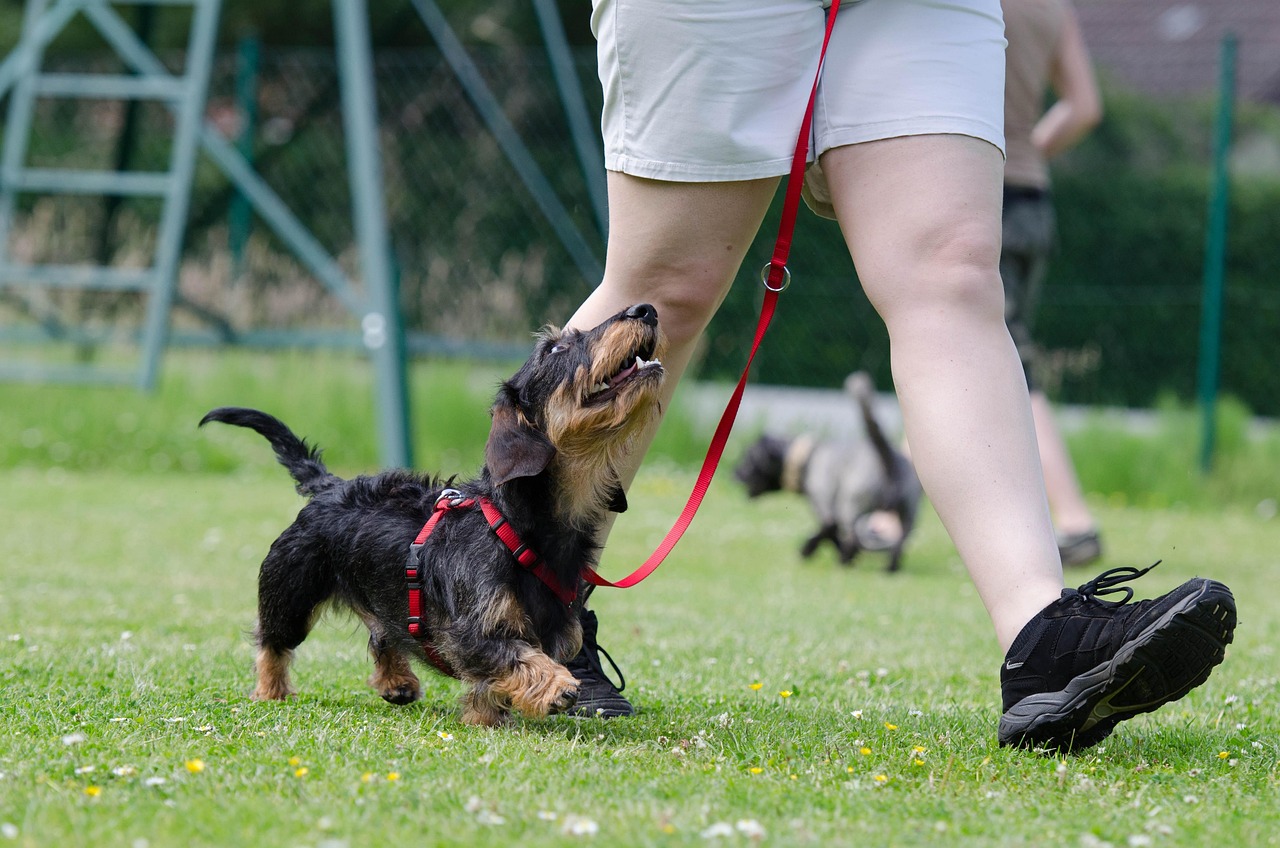

Socialization Milestones: What Every Dog Owner Should Know
One of the most critical aspects of dog training is the process of socialization. It plays a vital role in ensuring that your dog develops into a well-adjusted and happy companion. Socialization involves introducing your dog to various environments, people, and other animals so that they become accustomed to different situations. Early socialization helps reduce anxiety in dogs and can prevent behavioral issues later in life. It is essential to start the socialization process during the critical development period, which occurs between three and sixteen weeks of age. However, even adult dogs can benefit from socialization efforts. Various techniques and approaches can help owners effectively socialize their pets. This includes enrolling them in puppy training classes, arranging playdates with well-mannered dogs, and exposing them to different settings. Whenever possible, positive reinforcement should be employed to encourage confident behavior while dissuading fearful actions. The key is to gradually expose the dog to new experiences, always ensuring they feel safe. Observing their behavior helps owners identify their comfort levels and tailor experiences accordingly. The goal is to create a balanced, confident, and sociable canine friend.
Essential Socialization Techniques
To ensure effective socialization, it’s essential to implement various techniques that cater to your dog’s unique personality and needs. Start by exposing your puppy to a diverse range of experiences. This includes meeting new people, encountering children, and interacting with other animals, both familiar and unfamiliar. Remember, it is crucial to monitor your dog’s reactions—which is where observation becomes paramount. If they appear anxious or fearful, create a positive association with the new experience by using treats or praise. Additionally, attending puppy classes can significantly enhance socialization skills by providing structured environments for social encounters. Structured play in these classes promotes healthy interaction among dogs, while also providing owners with valuable training techniques. Another helpful approach is to schedule regular outings to parks or busy streets, allowing your dog to experience different sounds, sights, and smells, which can be crucial for their development. Be sure to introduce your dog to a variety of environments, such as homes, shops, and other public spaces. Overall, a diverse range of social experiences will cultivate adaptability and confidence in your dog.
Another effective socialization technique is gradual desensitization to common stressors. Many dogs may initially react fearfully to specific stimuli, such as loud noises, crowded places, or unfamiliar objects. To combat this, introduce these elements slowly, allowing them to observe from a distance before closing the gap. Always pair these exposures with positive reinforcement such as treats, playtime, or affection, helping them associate the previously frightening stimulus with positive feelings. Furthermore, consistency is key: regularly expose your dog to these stressors, gradually increasing the intensity of the situations they face. Furthermore, involving your friends and family during the socialization process can be beneficial. Invite them over to engage in controlled interactions with your dog, giving them the opportunity to meet people of various appearances and manners. This not only strengthens your dog’s social muscles but also reinforces positive behavior in new surroundings. Consistency, patience, and reinforcement will help ease your dog’s nerves, enabling them to conquer their fears. Above all, remember that socialization is an ongoing process, and patience will yield long-term results.
The Benefits of Early Socialization
Early socialization offers numerous benefits for dogs, significantly improving their overall behavior and temperament. By introducing your puppy to experiences early in life, they are less likely to develop neuroses or anxiety-related issues as they grow older. Well-socialized dogs typically display improved confidence, making them more approachable and easier to handle in public settings. Additionally, dogs that undergo proper socialization generally exhibit fewer behavioral problems, reducing the need for extensive behavioral corrections later on. This fosters a happier home environment for both pets and owners. Socialized dogs are also more adaptable; they can navigate unfamiliar situations with ease, which benefits owners who travel or engage in various activities. Furthermore, well-socialized dogs tend to be more relaxed around visitors, reducing unwanted barking, anxiety, or aggression towards guests. Owners can also enjoy a greater sense of control over their pets in public spaces, enhancing their dog’s safety while promoting good manners. Ultimately, investing in your puppy’s early social experiences will yield positive relationships within the household and community.
A common myth regarding socialization is that some dogs just don’t need it. Every dog, regardless of breed or temperament, can benefit greatly from comprehensive socialization during the critical developmental phases. Underestimating the importance of socialization can adversely affect your dog’s adjustment abilities as they encounter different situations throughout their lives. Proper socialization not only prevents behavioral issues but can also mitigate fear-based responses to unfamiliar experiences. Addressing fear and anxiety at an early age is crucial to forming a strong foundation for lifelong stability. A well-socialized dog forms healthier bonds with humans and other pets, creating better integration within the household. Owners should be aware that socialization can take time and patience. Positive reinforcement techniques should be incorporated throughout socialization efforts to encourage adaptive behaviors. Building your dog’s confidence unfolds as they experience new adventures, learning to trust you as their guide. Ideally, exposure should occur gradually and consistently over several months, thereby providing a safe environment for your dog’s explorations. This proactive approach ensures they develop the skills necessary for thriving in diverse situations throughout their life.
Recognizing Signs of Successful Socialization
As your dog progresses through the socialization process, recognizing the signs of success is important. Positive indicators include relaxed body language, an eagerness to explore, and an overall willingness to engage with others. Your dog should exhibit a comfortable demeanor, displaying a wagging tail and a relaxed face when approaching new environments or individuals. Conversely, if your dog displays signs of excessive fear or aggression, it may indicate that they require additional support or desensitization. Monitor their body language closely, as subtle changes can reveal their comfort level. Offering praise or rewards when your dog positively interacts with a new experience encourages continued good behavior and reinforces an effective socialization framework. Moreover, engaging in daily routines that involve socialization yields improvements in your dog’s confidence over time. Interactive training exercises can help bolster their skills, specifically when practicing behaviors such as sit, stay, or recall. This ongoing practice ensures that your dog generalizes their training to various contexts, consolidating their learning experience. Staying patient and monitoring their progress fosters a supportive environment for your pet’s growth.
Engaging your dog in group classes is an excellent option for reinforcing the benefits of socialization. These classes provide a controlled environment where dogs can interact with peers under the supervision of qualified trainers. During these sessions, your dog has the opportunity to practice skills while encountering distractions, perfect for building focus and self-control. One of the greatest advantages of group classes is the camaraderie shared among fellow dog owners, providing a support network for sharing experiences and advice. Furthermore, trainers can offer immediate feedback on your techniques, helping you refine your approach as a new or seasoned dog owner. As your dog becomes more comfortable in group settings, they will grow in confidence and learn to embrace interactions with both humans and other dogs. Additionally, varying class locations introduces your dog to different surroundings, ensuring their adaptability to new environments. Socialization should not be limited only to classes; taking trips to dog-friendly venues and social events will contribute further to their experiences. The key is to keep exposure regular and varied, making socialization an enjoyable part of your dog’s life.
Conclusion: Lifelong Socialization
Ultimately, socialization is an ongoing commitment that extends throughout your dog’s life. Regular practice ensures that your dog remains adaptable and confident in new situations. Continual exposure to various people, environments, and experiences helps to reinforce the skills learned during early training phases. Every dog is unique and may require different levels of socialization support; therefore, it is essential to tailor your approach to your dog’s specific needs. Lifelong socialization not only provides benefits for your pet but also enhances the overall relationships within the household. When your dog feels safe and secure in the world around them, they are less likely to develop anxiety or problematic behaviors. Additionally, well-socialized dogs create a more pleasant atmosphere for everyone involved, allowing family members and visitors to enjoy each other’s company without disruptions. Remember to stay patient and positive while investing time in your dog’s social development. Celebrate small wins and acknowledge their progress, solidifying the bond between you and your canine companion. By committing to socialization throughout their life, you ensure your dog remains a happy, well-adjusted member of the family.