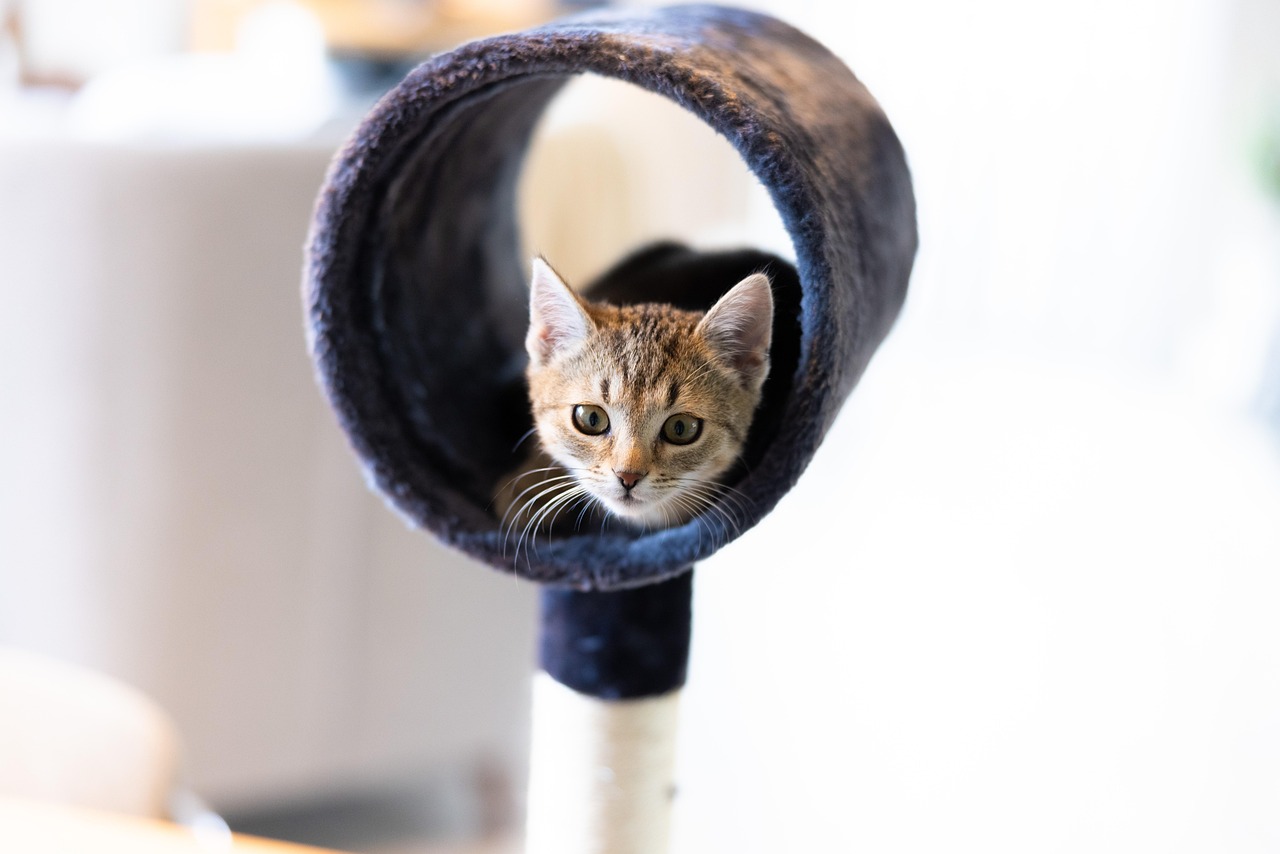

Using Interactive Toys as Positive Reinforcement in Cat Training
Training cats effectively can be a challenging yet rewarding endeavor. One of the most successful methods employed is positive reinforcement, which encourages desirable behaviors through rewards. Interactive toys play a significant role in this training approach. These toys not only stimulate your cat’s instincts but also provide an opportunity for bonding through play. Cats, naturally curious and playful, respond excellently to engaging activities that reward their efforts. This tactic not only fosters learning but also helps to create a positive environment that your cat enjoys. By incorporating interactive toys into your cat training regimen, you are setting the foundation for effective communication with your feline friend. These toys encourage mental stimulation, which is essential for a healthy mind, and they reduce the undesirable behaviors often associated with boredom. Always ensure to choose toys that are safe and appropriately sized for your cat. Engaging your pet with these tools not only aids in training but also keeps them entertained and physically active, ensuring a well-rounded approach to their needs. As you integrate toys into your routine, remember to observe which types your cat prefers to enhance the effectiveness of your training efforts.
Interactive toys come in many varieties, each designed to stimulate different behaviors and instincts in cats. For instance, puzzle toys require your cat to figure out how to get a treat out, effectively engaging their problem-solving skills. These types of toys enhance cognitive abilities while providing a reward. Feather teasers and laser pointers encourage physical activity, tapping into a cat’s hunting instinct. When using these toys during training sessions, it is crucial to remain patient and allow your cat to explore the toy at their own pace. This exploration leads to the discovery of cause-and-effect relationships—understanding that pressing or pawing at the toy yields a reward. This knowledge builds confidence and encourages the cat to repeat the desired behavior. Always remember to vary the toys used during training to keep your cat stimulated and interested. By rotating different toys, you can maintain your cat’s enthusiasm and prevent them from losing interest. It also helps in keeping their mind sharp and engaged, a crucial aspect of their overall well-being. A balanced approach that incorporates both praise and interactive play can dramatically enhance your cat training efforts.
Benefits of Interactive Toys
Using interactive toys in cat training offers numerous benefits that extend beyond mere entertainment. Firstly, these toys help in fulfilling a cat’s natural instincts. Cats are hunters by nature, and interactive toys mimic the chase and capture aspect of hunting. This not only enriches their environment but also provides great physical exercise, which is vital for maintaining a healthy weight and preventing obesity. Engaging with these toys reduces stress and anxiety as it can redirect energy towards positive play. It fosters a sense of accomplishment when your cat successfully navigates the challenges these toys present. Moreover, such interactions help strengthen the bond between you and your feline companion. When you partake in play sessions using interactive toys, it becomes a shared experience, leading to mutual trust and improved communication. It is essential to understand that training should be fun, and positive reinforcement through toys makes the learning experience enjoyable and less intimidating for your cat. Also, the playful aspect of these trainings motivates cats to engage and respond positively to commands and actions you wish to reinforce during training sessions.
Different cats have varying preferences for types of toys, which can impact the effectiveness of interactive toys in training. Observing your cat’s reactions during play can provide insight into which toys resonate most with them. Some cats are more motivated by toys that simulate prey, such as feather wands or bouncing balls, while others may prefer toys that dispense treats or those that require problem-solving skills. Always consider your cat’s age, energy level, and personality when selecting toys. For example, younger, more energetic cats may enjoy physically interactive toys, while older or less active cats might benefit more from mentally stimulating puzzles. Ensuring that the toys are well-maintained and age-appropriate is vital for safety and enjoyment. Consequently, a little experimentation will help you discover the best matches for your feline’s nature. As a playful cat chases after balls or claws at feathers, reinforcing their learning with treats or affection in those moments creates a positive feedback loop. This encourages your cat to participate in training sessions with enthusiasm, making the process rewarding for both of you.
Incorporating Toys into Training Sessions
Integrating interactive toys into your cat training sessions demands a structured yet flexible approach. The idea is to combine play with training commands seamlessly. Begin by introducing the toy during the training session to capture your cat’s interest. Utilize the toy to gain your cat’s attention before issuing commands. Once your cat engages with the toy, introduce commands such as “sit” or “stay.” When they respond appropriately, reward them immediately with praise or treats coupled with continued play. This not only reinforces the command but associates compliance with fun and interaction. Gradually increase the difficulty of the tasks by challenging your cat with more complex behaviors while maintaining the playful aspect. It is helpful to set specific training goals and integrate toys as a reward system as your cat masters each new skill. Ensure sessions don’t last too long to avoid overwhelming your cat, leading to burnout. Limit the training to around 10 to 15 minutes, focusing on quality engagement rather than duration. These short yet effective training intervals will help establish a reliable learning environment.
Consistent and positive reinforcement when using interactive toys is integral to the success of training your cat. Recognizing the importance of short, enjoyable training sessions will create a lasting impression on your cat. Celebrate their wins, no matter how small, to encourage their desire to please you and engage further. Incorporate treats strategically when your cat demonstrates understanding or proficiency in a command or behavior. It is essential to use verbal cues, such as “good job” or “well done,” alongside physical interaction like petting or playing with the toy when praising your cat. This multifaceted approach will strengthen the association between desired behaviors and rewards. Additionally, integrating variety helps maintain your cat’s engagement; this can be achieved by introducing new toys or rotating existing favorites. Observing which rewards most effectively incentivize your cat’s participation can refine your training strategy. Remember, patience is vital; every cat learns at their pace. Consequently, celebrating small achievements reinforces the positive association with the training session and the interactive toys designed to facilitate learning and engagement throughout.
Conclusion: Building a Lovable Bond through Play
In conclusion, using interactive toys as positive reinforcement during cat training creates a solid foundation for building trust and love between you and your feline companion. Not only do these toys serve as a means to stimulate your cat mentally and physically, but they also transform training into an enjoyable experience. When your feline is having fun, they are more likely to engage in learning behaviors and commands, empowering them to explore their environment with confidence. Always remain patient, as training is a process that requires understanding each cat’s unique personality and preferences. By genuinely engaging with your cat during training sessions, you foster a beautifully interactive relationship that goes beyond mere obedience. It’s about creating shared experiences and joyful memories through play. As you embark on this journey, regularly assess which toys resonate the most with your cat and adapt your training techniques accordingly. This adaptability makes training enjoyable while increasing their chances of success. Ultimately, investing time and love into training through interactive play offers mutual benefits, allowing both you and your cat to thrive together in a harmonious household.
For further information and resources on cat training and interactive toys, consult reputable websites dedicated to pet care. Engage with communities and forums where fellow cat owners share their experiences and successes. Understanding different training methods will equip you with various strategies to improve your training regimen. Interactive toy manufacturers often provide guidelines on selecting appropriate toys for your cat. Reviewing their recommendations can give insights into optimal play options tailored to specific behaviors you wish to reinforce. Always ensure that toys are safe and suited for your cat’s size and energy level, promoting a fun training atmosphere. Connecting with a veterinarian can also be beneficial; they may offer personalized advice based on your cat’s health and behavior. A well-rounded approach, incorporating positive reinforcement through interactive toys, significantly enhances the quality of training and strengthens the bond with your cat. Remember, patience and positive interactions lead to long-lasting results in cat training.