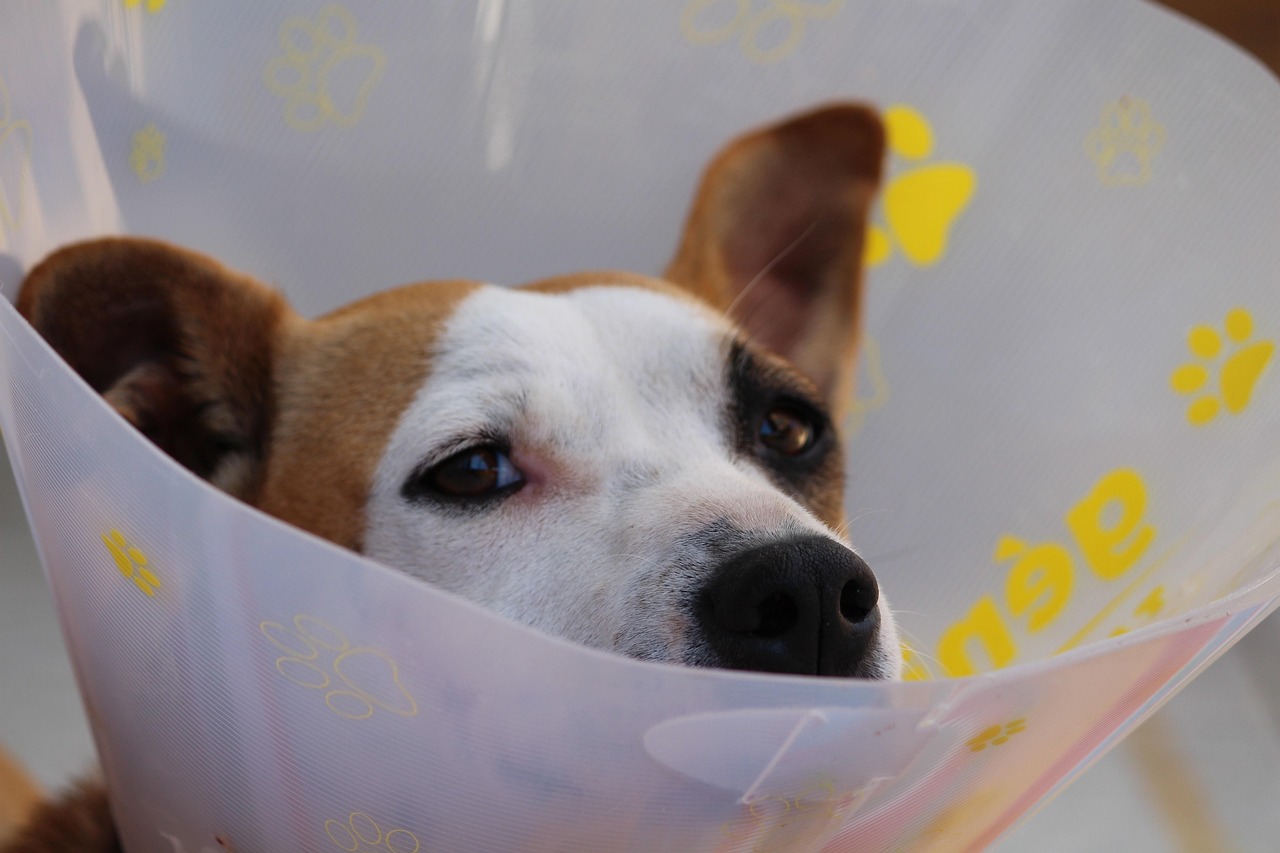

The Best Ways to Calm an Injured Dog Before Transport
When an emergency arises and you have to transport an injured dog, the first step is to ensure that your furry friend feels as calm as possible. Even if the situation is stressful, stress can worsen the dog’s condition. Here are some techniques that can help you effectively calm your injured pet. First, speak softly and reassuringly to your dog. Your voice can be incredibly comforting, allowing the dog to feel safe in a trying situation. Next, if safe to do so, create a comforting space for your dog by using their favorite blanket or toy during transport. Adding familiar smells can make a huge difference. Additionally, gentle brushing of your dog’s fur can provide much needed comfort and reassurance that your presence is there. Use slow, deliberate movements to avoid causing more distress. Remember to observe your dog’s body language; any sudden movements or anxious signs may signal that they need additional reassurance. Lastly, consider using calming pet sprays or pheromones designed for dogs to help ease their anxiety further. This can be particularly useful in high-stress situations.
After you’ve calmed your dog in the immediate moment, you may need to assess the extent of the injuries before transporting the dog to the vet. Start by checking if the dog is breathing well and assess if there are visible injuries. If the dog is conscious, in what state is their demeanor? Any signs of panic or distress should guide your approach. Gently assess how they react when you touch them. If the dog is responsive and doesn’t show severe pain upon touch, you can proceed more confidently to transport them. It’s critical to make sure your dog is secure in a crate or vehicle while you drive to the vet. The crate needs to be stable so there’s no jostling during transport. Additionally, always have a safety restraint or harness attached to avoid additional injuries. Keep the car environment calm with low volume and gentle driving motions. Driving smoothly can help to keep your dog from getting anxious. Remember to stay focused on your dog rather than getting too distracted by driving or the noise around you.
Understanding Your Dog’s Needs
The emotional and physical needs of your injured dog can differ significantly from those of a healthy dog, so it’s imperative to adapt accordingly. For instance, injured dogs can be sensitive to touch, sound, and movement. To manage this, you may want to speak soothingly even if the dog appears stable. Understanding your pet’s unique needs and how they react under stress will help you assist them more effectively. If your dog usually enjoys being wrapped in a blanket but is currently anxious, it may be best to let them feel less confined. On the other hand, if they find comfort in being held, securely holding them can help alleviate their anxiety. Gradual introductions to movement, such as sitting them up to prepare for transport, can also help. Don’t rush the process as speed may instigate panic in your furry companion. Being patient shows your dog that you’re there for them, making the experience less overwhelming. This consistency in your approach will be key to your dog’s overall comfort level during transportation.
Familiarity with the transport method is also essential. If your pet is accustomed to traveling in a carrier or car, keep this as their environment during the emergency. If they are more comfortable seeing through a window while you drive, secure them safely near a window they can see through. Conversely, if they readily become anxious in vehicles, consider alternative transport methods by either enlisting a friend or finding specialized pet transport services nearby. Always try to choose a route that offers the least disruption in terms of potholes and bumpy roads. This minimizes discomfort. You might also want to keep the air conditioning or heat at a comfortable temperature to further ease the discomfort of the experience. Also, remember to bring water or an ice cube as hydration may be crucial in this stressful time. If your dog struggles with nausea during car rides, consider bringing along a calming diet. Having these items prepared beforehand can dramatically improve your dog’s experience while being transported to the vet.
The Importance of Calmness
Staying calm yourself is one of the most crucial components when handling an injured dog. Dogs are adept at sensing their owner’s emotions; therefore, if you feel agitated or anxious, your dog is likely to mirror those feelings. To remain composed, take several deep breaths and focus on your dog instead of what has happened. This simple act of reducing your own anxiety can profoundly impact your dog’s response. Maintain a non-threatening body posture, ensuring you approach the dog gently without sudden movements that could provoke anxiety. Putting on a reassuring expression on your face also helps; smile softly to soothe them. If you find yourself feeling overwhelmed, briefly pause and gather your thoughts before continuing with the task at hand. Knowing when to ask for help is also a sign of strength. If someone is available to assist, don’t hesitate to bring them along. Working together allows you to remain focused on the emotional and physical needs of your beloved pet. You’ll find that cooperation can lessen anxiety both for you and your dog considerably.
When on route to the veterinary clinic, it’s advisable to keep distractions to a minimum. Loud music and phone conversations can add to the stress your dog may already be feeling. If possible, limit conversations to ensure a serene environment where your dog can feel secure. It’s also important to keep the car as quiet as possible by minimizing sudden stops or quick turns. If you’re driving alone, avoid frequent glances at your dog unless necessary — staying focused on the road is critical in a situation like this. Moreover, if your dog is not in a carrier, consider having someone else hold them to avoid them interfering with your view. Using specialized safety gear, such as a dog seatbelt or safety harness, can help keep them secure. Additionally, periodically speak softly to reassure your dog that everything is okay, especially during any uncertainties such as red lights. Whenever you come to a stop, take a brief moment to assess your dog’s physical condition and emotional demeanor before resuming the drive. Every small moment counts during this stressful time.
Reassurance after Transport
Upon arrival at the veterinary clinic, it’s essential to maintain that calming demeanor. Your dog is likely feeling overwhelmed after the trip, so your support becomes vital again. As you enter the clinic, determine if there is a quiet spot for you and your dog to wait. A peaceful area can prevent the dog from being overwhelmed amid barking or other animals present. While waiting, take time to reassure your dog using slow gentle strokes to maintain a sense of normalcy. Your presence is a source of comfort, so make sure they know they’re not alone in this stressful situation. Avoid showing anxiety, as your dog may feel compelled to echo it. When it is your turn to see the vet, keep your cool; approach each step methodically. Explain your dog’s symptoms to the veterinarian calmly. Also, describe any behavior changes observed during the car ride. Being succinct yet descriptive ensures the vet understands the situation better and can provide the proper treatment. The bond you share is crucial in making this process smoother for your injured dog.
Overall, being prepared with knowledge and materials ensures that both you and your dog can navigate this challenging experience. Take time before emergencies occur to learn how to handle a wide range of situations effectively. It may even be worth considering taking a pet first aid course to arm yourself with vital skills that could save a life. Learn how to administer CPR and control bleeding. Familiarizing yourself with the signs of shock is also critical. Having an emergency kit containing essentials like bandages, gauze, muzzles, and calming aids can help in situations where you might need to remain calm. Moreover, write down essential contacts, such as your veterinarian’s office and a nearby emergency clinic where you can reach quickly. In an emergency, these details become invaluable in ensuring your dog receives the care they need promptly. Committing to being better prepared can reduce stress and improve outcomes during emergencies. Remember, your dog relies on you for guidance during these critical moments. Together, you can navigate the challenges of transporting an injured dog while ensuring their comfort and safety.