
How to Teach Your Dog to Come When Called
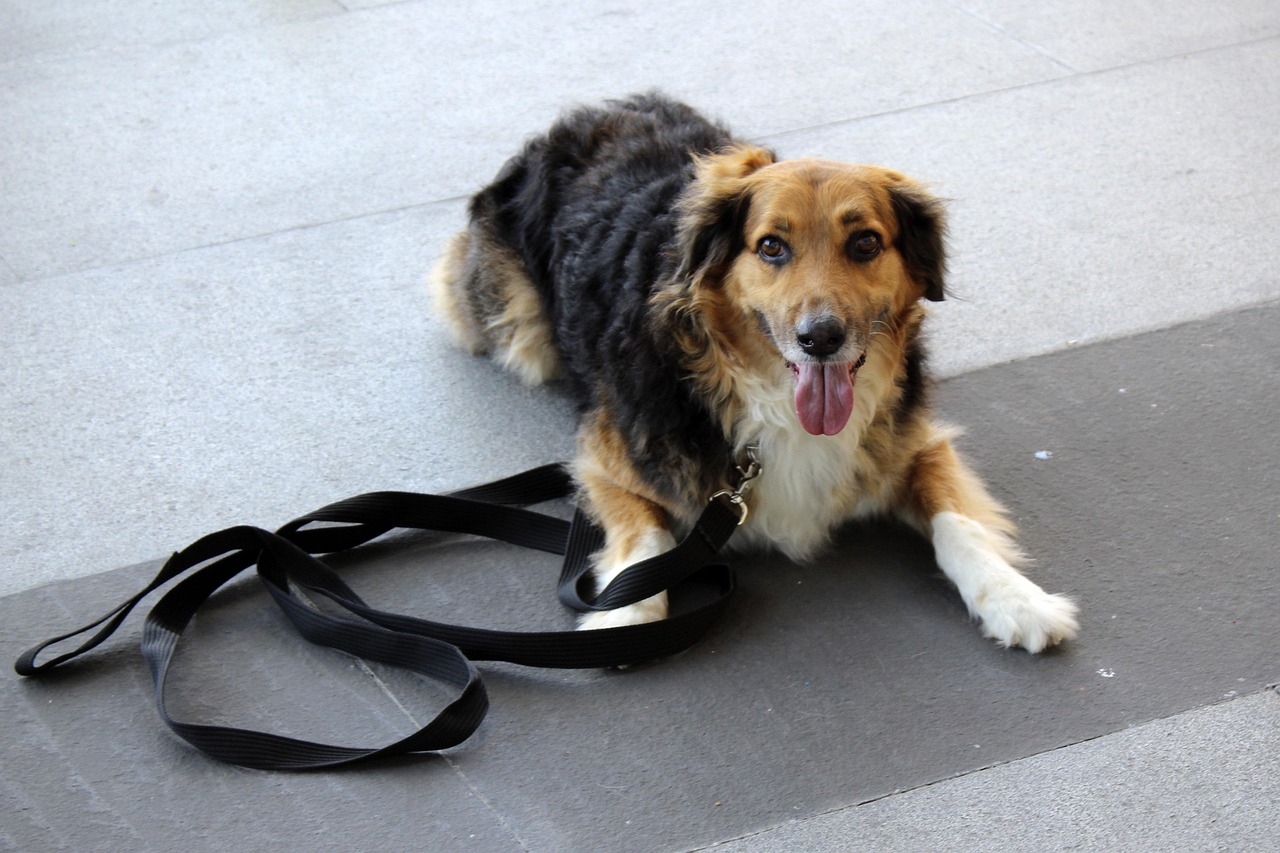
Teaching your dog to come when called is an essential aspect of responsible pet ownership. This valuable command not only keeps your dog safe but also strengthens the bond between you and your furry friend. Start by choosing a comfortable spot in your house or backyard to conduct training sessions. Ensure that there are no distractions, allowing your dog to focus on you completely. Use a leash or long line during the initial training to aid control. Gradually, allow your dog some freedom, rewarding them consistently for responding to your call. A key component of this training involves using treats, praise, and affection, ensuring that your dog associates coming to you with positive experiences. Ensure that you vary the rewards a little to maintain their excitement and willingness. Remember that consistency is crucial in teaching this command effectively. Keep training sessions short, fun, and upbeat to maintain your dog’s enthusiasm. It’s essential to remain patient, as every dog learns at their own pace. Before long, your dog will become proficient in the command and eager to come when called.
Now, let’s delve into effective techniques for teaching your dog the “come” command. Start with a simple and clear verbal cue, such as “come” or any other word you prefer. Make sure your body language is inviting; kneel down or open your arms wide as you call your dog. Use a happy and encouraging tone which will grab their attention immediately. When your dog approaches, reward them with treats and affectionate praise to reinforce their behavior positively. Repeat this exercise frequently to help solidify the command. Practice this in various locations to help your dog generalize the command to different environments. It’s beneficial to increase the difficulty gradually—consider distractions like other dogs or people nearby. Use those elements as an opportunity to train rather than as a deterrent. Remain consistent with your cues each time you practice; the clarity of command reinforces learning. Incorporate games that involve calling your dog back, encouraging a fun atmosphere surrounding the command. Lastly, always end on a positive note—this ensures your dog looks forward to training sessions in the future.
Establishing the Recall Command
Establishing a positive recall command is crucial for safety and ensuring obedience from your dog. You can start by making it exciting for your dog to come to you. Use their favorite toys or treats as motivators to make the experience rewarding. Whenever your dog is nearby, try calling them with enthusiasm. If they respond, reward them immediately, celebrating even the smallest steps toward compliance. Understand that training takes time, and each session should be met with patience. Avoid scolding your dog when they don’t come at first; instead, encourage them with positive reinforcement when they eventually do. A simple tug on a leash can help redirect them if they hesitate. Remember that your tone and attitude influence your dog’s response significantly. They should feel that coming to you is a joyous occasion, not a punishment. Timing plays a crucial role here—reward the correct behavior immediately for effective learning. Utilizing a variety of locations during your training can enhance your dog’s ability to understand the command in diverse situations and enforce the lessons they’ve learned.
As your dog starts to grasp the recall command, it’s vital to increase the distance and offer greater challenges. Begin in a controlled environment where you can gradually increase the distance from your dog as you call them back. This could be done in your backyard or inside your house with minimal distractions. Once they master coming from a short distance, progressively move to larger spaces. Ensure that your voice projection carries well in open environments. Continue using treats and praise throughout these training sessions to maintain their enthusiasm levels high. If your dog isn’t responding, try returning to a shorter distance until they become more confident. The idea is to build up their successes gradually. Incorporating visual cues alongside verbal commands can enhance understanding. You might even consider using clicker training to mark desired actions. This specificity in feedback also helps bridge the communication gap between you and your dog. Make every training session a pleasant experience, and keep it short to avoid losing your dog’s interest. This method ensures they’re eager to respond when called.
Addressing Distractions
Dogs are inherently curious animals, often easily distracted by sounds or sights. Overcoming distractions during recall training is essential for your dog’s obedience. Start in a familiar and distraction-free zone to ensure they can concentrate solely on you. Gradually increase the level of distraction by introducing movement or noise to the environment. For example, you could practice at a park where there are other people or dogs present. During these exercises, make sure to maintain your dog’s focus on you by using treats or other incentives. When they respond correctly despite distractions, reinforce this behavior enthusiastically with praise or extra treats. If your dog fails to come when called, don’t fret—simply disengage from the situation and return to a less distracting environment until they regain confidence. You can also practice during playtime with other dogs to teach them the recall command in a livelier setting. Always adapt your techniques based on your dog’s unique personality and learning style. Foster positive associations so that your dog views recall as an enjoyable experience rather than a chore.
Humans sometimes forget to be mindful of their dogs’ moods or feelings, which impacts training success rates. Therefore, maintaining a positive and relaxed training environment is essential to the overall learning process. Be aware of your dog’s behavior during training; if they seem anxious or tired, it might be better to pause and return to it later. Consistent practice yields better results rather than overwhelming them with repetitive commands. Also, make sure every evening session is rewarding, ending on a high note to encourage your dog’s excitement for next time. If you notice training becoming a chore, assess how you can adjust your approach for greater enjoyment. Beyond verbal commands, incorporate playtime into your sessions as fun breaks. This demonstrates that training can be enjoyable, reinforcing the bond you share through positive experiences. Training also provides social stimulation; as your dog interacts with you, it becomes more engaged with the practice. By utilizing a mix of encouragement, patience, and play, you’ll see a transformation in your dog’s willingness to come when called. Remember, every pet is unique, and a tailored approach is vital.
Reinforcing the Behavior
Reinforcing the behavior of calling your dog is just as important as the initial training. Continuity in practice helps establish this command as a fundamental part of their routine. Once they have learned to come when called, use the command in daily situations. Incorporate calls during walks or playful outings, establishing the command’s relevance throughout their activities. Randomly call your dog during these times, rewarding them for their compliance. Vary the rewards and the environment for practice, keeping your dog excited and engaged. Even after formal training, it’s essential to continue rewarding good behavior—those treats or praises go a long way in reinforcing the desire to respond. Also, consider occasional calls without expectation to improve their recall skills without the pressure of rewards. Celebrate their successes at random times, which builds a strong positive reinforcement factor into your dog’s learning. Eventually, their response to the command will become instinctual. The goal is to create a reliable recall that endures throughout your dog’s life. A well-trained dog will respond enthusiastically, making it a valuable command for all involved.
Teaching your dog to come when called can seem daunting, but with dedication and the right techniques, you can achieve great results. Always start with clear positive signals and adjust your methods based on how your dog responds. Ensure that every learning moment is infused with joy, turning training into a delightful process. Recognize your individual dog’s learning style and be willing to adapt your training strategies accordingly. Build a strong foundation of trust through consistency and reward-driven experiences. Over time, your dog will not only respond predictably to your calls but also bond with you more confidently. Remember, patience is essential—none of this will happen overnight. Regular practice, positive reinforcement, and encouragement are keys to mastering this vital command. You and your dog can cultivate a rewarding, cooperative relationship through this process. Implement these strategies into your routine, and take the time to enjoy every training moment together. Engaging in fun activities together, such as playing games that involve the recall command, helps solidify this important skill. After all, a well-trained dog is a happier dog.