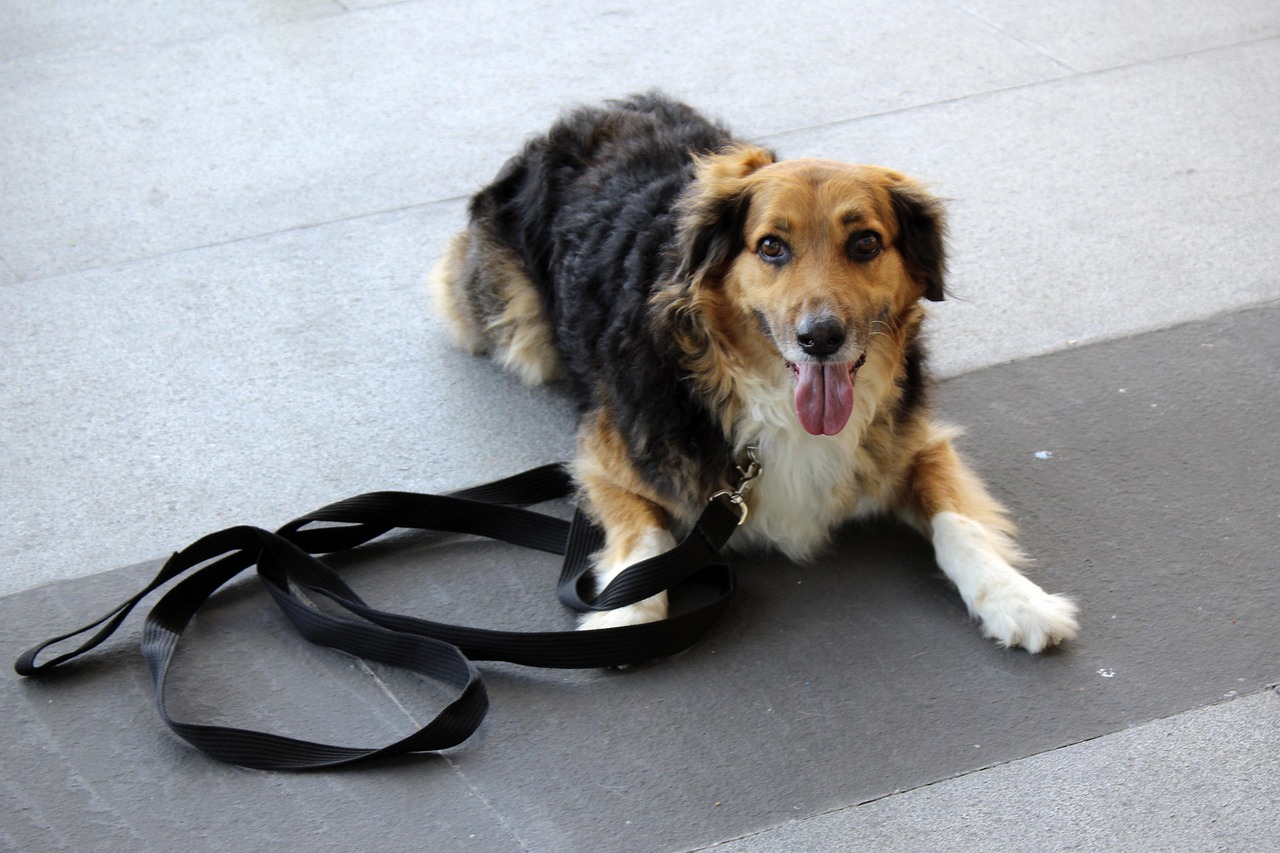

Understanding the Importance of Body Language
When teaching advanced dog commands, recognizing and interpreting dog body language becomes essential. Your dog communicates feelings and intentions through subtle movements and postures. Understanding these cues can enhance training sessions and improve the bond, ensuring a positive learning experience. For example, a dog may show a lowered body posture when feeling unsure about a new command. Conversely, an excited tail wag indicates eagerness to learn. Rather than relying solely on verbal commands, observe how your dog reacts to your cues. Each dog has unique expressions of anxiety, confidence, or frustration. It’s crucial to remain patient and adjust your approach based on these signals. High-pitched tones may motivate a dog to comply, but harsh reactions can cause confusion or stress. Thus, the trainer’s awareness of the dog’s non-verbal cues is pivotal. This knowledge fosters effective communication, paving the way for a successful learning environment. Each session can be improved by observing and interpreting responsiveness through body language signs. Embracing this knowledge empowers you, the trainer, to build a harmonious relationship centered on trust and confidence for effective learning. Remember, patience and understanding are key in utilizing body language cues effectively.
Common Body Language Signals
Recognizing common body language signals can significantly improve your dog’s advanced command training. Dogs communicate through body posture, facial expressions, and tail movement. For instance, a relaxed body stance, upright ears, and a wagging tail usually indicate that your dog is comfortable and receptive to learning. Alternatively, if your dog shows tense muscles or avoids eye contact, it signifies stress or anxiety. Understanding these body signals allows trainers to modify their methods tailored to their dog’s needs. Eye contact, especially in the context of commands, can reflect confidence or submission. Notice if your dog looks away or backs up when faced with a new challenge. This is often a sign of uncertainty. In contrast, a dog that approaches you with confidence in learning a new command is indicating readiness. Tail position can also provide insight; a high, wagging tail reflects excitement, while a low tail may interpret fear. By translating these signals, you can create a more positive training experience. Consistent monitoring of body language will guide you toward providing the necessary encouragement or support for your dog’s behavior during training.
When teaching advanced commands, especially those requiring precision or focus, it is critical to note how your dog responds to different environments. Dogs might learn commands faster in familiar surroundings but may struggle in a new or distracting place. This environmental factor must be taken into consideration during training sessions. You may notice that your dog displays heightened body language signals, like dilated pupils or rapid tail movement, when feeling overwhelmed. In such cases, reducing distractions is vital. Encourage the dog to practice commands in less stimulating settings before introducing them in more challenging environments. Observing how your dog reacts in various contexts informs your training strategy. For instance, if your dog performs wonderfully at home but falters in public, plan training sessions to bridge this divide. By gradually increasing the difficulty and distractions, you can help the dog adjust. Ensure you celebrate small successes, rewarding calmness and focus amid distractions. This nurturing approach effectively builds confidence and promotes learning. Therefore, be attuned to your dog’s body language, adapting sessions accordingly. Each small progression reinforces the learning process as you nurture the command’s mastery in diverse environments.
Positive reinforcement plays a crucial role in teaching advanced commands by ensuring a rewarding experience for your dog. Observing the dog’s body language is imperative during this process. When reinforcing commands, notice how your dog responds. A dog that eagerly approaches for a treat or reward is engaging positively. However, signs of hesitation or withdrawal may indicate stress or uncertainty. Adapt your training approach in response to this body language. For instance, if your dog recoils from treats, consider switching to verbal praise or playtime as motivation. Additionally, the timing of your reinforcement matters significantly. Offer rewards immediately after the desired behavior to effectively link the command and the favorable outcome. Slow responses can cause confusion for the animal. The balance of positive reinforcement and observing body language promotes a supportive training environment, allowing your dog to feel secure while learning. Ensure you maintain a positive atmosphere where mistakes are seen as learning opportunities. With consistent practice and encouragement, dogs will become proficient in advanced commands, ultimately strengthening your bond. Trust and communication foster positive experiences that lead to successful learning outcomes.
Timing and consistency are essential in the learning process for advanced commands. Observing your dog’s body language during training sessions helps you realize when they understand a command or require further assistance. Quick recognition of these moments allows you to provide immediate positive reinforcement. For instance, if your dog displays enthusiasm or focus when you issue a command, it’s the right time to reward them. Yet, if you notice signs of confusion, like a cocked head or lowered posture, it might be necessary to slow down and clarify expectations. Maintaining consistency in commands, expectations, and rewards strengthens the learning experience. Use the same word and hand gestures for specific commands each time. This consistency eliminates confusion and aids in building muscle memory for your dog. Additionally, remember that dogs may not consistently respond in cross-environment situations initially. Consistent training will enhance their understanding over time. Patience is vital; recognizable body language signals from your dog will emerge happier and more engaged over time. Share progress with fellow dog owners or trainers for additional insights and support. Embrace the journey together for a rewarding canine learning experience.
Adjusting to Your Dog’s Learning Style
Every dog is unique, with distinct personality traits and learning styles. This individuality shines through body language during training sessions. Some dogs thrive in interactive environments with plenty of social cues, while others prefer calmer, more solitary settings. By observing your dog’s reactions and adjusting your methods accordingly, you can dramatically enhance their learning experience. If your dog becomes overly excited and distractible during lively activities, consider mixing the approach. Incorporating varied teaching strategies may include using visual cues for the more energetic dog or hand signals for calmer learners. These adaptations can ease tension during training and foster improved focus. Pay attention to how your dog responds to different stimuli during practice. If they seem overwhelmed, it may reflect in their body language. In contrast, if they show eagerness and participation, keep reinforcing that excitement. This flexibility and observant adaptability will ensure the learning process is collaborative, encouraging a stronger bond between you and your furry friend. In a supportive environment where dogs feel secure and guided, advanced commands become attainable, benefitting from personal learning styles maximized by body language signals.
Finally, remember that patience and understanding remain paramount when teaching advanced commands. Each dog is on a unique timeline, and progress may vary. As you continue to reinforce training, monitoring body language becomes more crucial. Dogs may experience frustration or stress as they struggle with advanced commands, and how you respond can make all the difference. For example, if a dog’s body language shows signs of distress, like lip licking or avoiding eye contact, pause and assess the training pace. Offering time for breaks often helps re-engage a dog’s focus and energy positively. Encouraging relaxation can strengthen the connection between commands and rewards. A calm atmosphere can reduce overwhelming feelings and encourage a willingness to retry commands. Use pauses for redirecting energy to play or explore the environment, making learning fun rather than daunting. Celebrate progress, no matter how small, through verbal praise or engaging activities. This gives your dog both confidence and motivation to succeed. In conclusion, truly understanding dog body language nurtures an enriching training environment. Advanced command training flourishes from this foundational awareness where you gracefully navigate challenges with empathy and support.
Teaching your dog advanced commands requires more than basic obedience; it necessitates understanding the multifaceted ways dogs communicate. Each session can lead to deeper insights into your dog’s personality and emotional responses through their body language. Whether you are maximizing their potential in agility training or enhancing social behaviors, recognizing these signals builds trust. Building a compatibility between your training style and your dog’s needs allows for a successful learning journey. The bond nurtured during this time transforms your relationship and encourages lifelong learning. Consistent practice coupled with patience fosters an upbeat atmosphere. In time, you may notice improved confidence and willingness as your dog masters delicate commands. Take time after practice to reaffirm your commitment through play and affection. This approach ensures that advanced commands feel rewarding rather than burdensome. Ultimately, competent training wrapped in love and understanding ensures teachable moments flourish. This journey is as much about you as a trainer as it is about your dog. As you both advance together, nurturing a powerful bond rooted in trust, body language becomes an instrumental tool. Embrace the learning process and relish the experiences shaping not just skills but also your relationship with your dog.