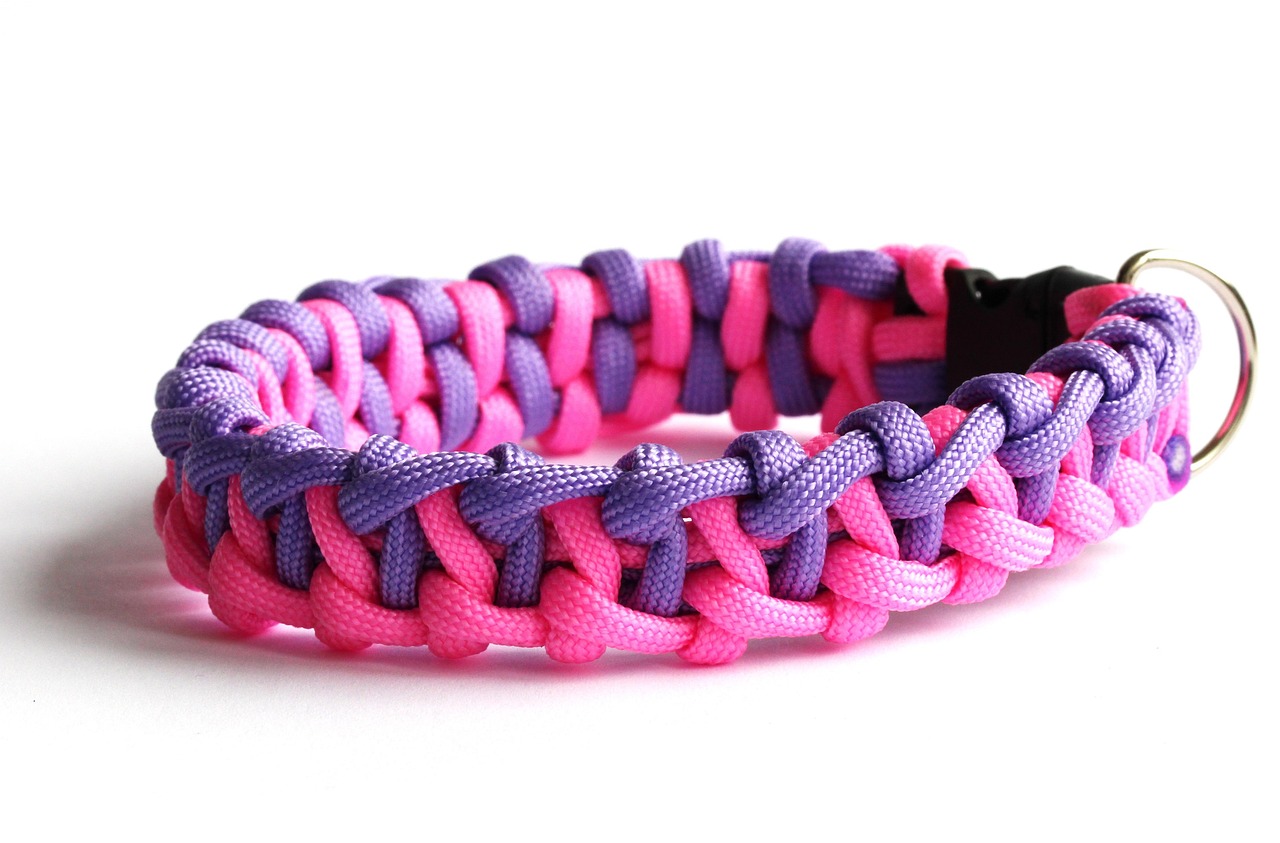

How to Prevent Dogs from Escaping Their Collars
Ensuring your dog remains safe and secure while on walks is vital. A dog collar is an essential part of pet ownership, serving both functional and safety purposes. When choosing a collar, the fit is paramount. A collar should be snug enough so it doesn’t easily slip off yet loose enough to allow two fingers to fit between the collar and your dog’s neck. Regularly check for signs of wear and tear, as a frayed collar can pose risks. If your dog pulls a lot or has the tendency to escape, consider a harness instead. Harnesses distribute pressure more evenly and provide additional control. Selecting the right material is also essential; a durable leash made from nylon or leather offers greater resistance against wear. Never leave a collar on a dog without supervision. In cases where dogs are left unattended outdoors, it’s prudent to remove their collar to avoid potential accidents. Furthermore, consider adding identification tags to collars. This can expedite the return process if a pet goes missing. Remember, the right collar can make a significant difference in your dog’s safety during walks, providing peace of mind for pet owners.
Another effective measure against collar escapes involves investing in a GPS tracker. These devices help locate dogs if they wander off or get lost, ensuring their safe return. Many GPS collars are lightweight and designed specifically for dogs, combining technology and safety seamlessly. Having a backup plan, such as a reliable dog sitter or having designated escape-proof areas at home, ensures your dog stays safe even when you’re busy. If your dog has a knack for slipping out of collars, consider options with additional restraint features, like locking mechanisms. Such collars can prevent accidental release, ensuring that your furry friend stays secure during activities. Always follow local regulations when using harsh restraining collars or devices – humane treatment should always be prioritized. Practicing leash training also fosters a stronger bond between you and your pet while preventing escape attempts. Engaging in positive reinforcement, like treats or praise for desired behaviors during leash training, encourages compliance. Lastly, always be attentive to your dog’s behavior during walks; if they are constantly trying to slip out, it might be time to reassess their collar and leash situation.
Types of Collars for Escape Prevention
Different types of collars can help prevent your dog from escaping. Martingale collars are especially designed to tighten slightly when pulled, preventing escape without choking your dog. These collars are particularly beneficial for dogs that have narrow heads, like Greyhounds or Whippets. Another option is the breakaway collar; it is designed to release under pressure, such as when your dog gets caught on something. This safety feature can prevent choking and injury in certain situations. Additionally, reflective collars provide visibility during nighttime walks, making it easier to spot a wandering pup beforehand. Harnesses, as mentioned earlier, can also significantly reduce escape risks. Many harnesses are designed to avoid pressure on your dog’s throat, offering extra comfort and stability. Moreover, some specialized escape-proof harnesses use unique designs that prevent dogs from getting free. Another type is the head halter, which controls the head of a dog and offers better control, especially for strong or large breeds. It’s vital to test collars and harnesses under supervision to ensure the chosen option best fits your dog’s behavior and lifestyle.
Proper training methods should be applied to reinforce the use of collars and leashes. Teaching your dog basic commands helps build familiarity and confidence during walks, reducing the urge to escape. Start in low-distraction environments, gradually transitioning to more stimulating surroundings as your dog improves. Reward good behavior, ensuring that your dog associates walking on a leash with positive experiences. Using a long line can help with recall training, allowing your dog some freedom while maintaining control. When your dog acknowledges commands reliably, they are more likely to stay close and not attempt to escape. Part of responsible pet ownership involves regular check-ups with your veterinarian. They can provide health tips and recommendations on collar types and sizes specific to your dog’s breed. Furthermore, consult professionals if your dog exhibits fear or anxiety when wearing a collar; they could recommend alternative methods or types that suit better. Regular socialization can also minimize anxiety. Exposure to different dogs and environments will help your pet feel more secure around other animals, reducing the inclination to bolt or escape during walks. A balanced approach includes proper gear, training, and health to keep your furry companion safe.
Identifying Dog Collars and Leashes
When selecting a collar, always consider your dog’s breed, size, and personality. Small breeds may work well with lighter collars and leashes, while larger, more robust breeds may require heavier, sturdier options. Consider custom collars that fit your dog’s specific needs – some companies offer tailor-made options. Additionally, check if your dog has specific sensitivities. Certain materials can cause skin irritations, so it’s essential to find a comfortable and hypoallergenic collar. Monitoring your dog after introducing a new collar or leash is crucial. Look for signs of discomfort or resistance to wearing it. If your dog shows these behaviors, these should be adjusted accordingly. A good collar should not hinder your pet’s mobility. Frequent walks are a great way to test different collars and leashes. Through trial and error, you will find the best fit that suits your dog. Don’t forget about design; while the collar serves a functional purpose, aesthetics also matter. Look for collars that reflect your dog’s personality. Lastly, remember to have a backup collar and leash in case of emergencies, ensuring that your canine friend is always safe regardless of the situation.
In summary, dog collar and leash safety is crucial for preventing escapes and protecting your furry friend. By choosing the right collar, you not only enhance your dog’s comfort but also prevent possible accidents. Invest in quality gear, such as GPS trackers and durable materials, as they significantly contribute to your dog’s safety. Moreover, practicing regular training and socialization can instill positive habits that discourage escaping behavior. Make sure that your dog feels secure while wearing a collar, conducting consistent checks for signs of wear and tear to ensure longevity. Ultimately, being proactive about dog safety fosters a healthy human-animal bond built on trust. Always remain alert during walks and engage with your dog, keeping an eye on their behavior and body language to prevent any potential escape attempts. When taking your dog outdoors, consistently evaluate the environment and potential hazards that could ignite their instinct to explore. With patience and diligence, you can significantly decrease the chances of your dog escaping from their collar, ensuring your precious pet remains happy and safe.
Remember that responsible pet ownership comes with understanding your dog’s needs, behavior, and adaptability. Regular engagement with your dog leads to a deeper understanding of their personality and preferences regarding collars and leashes. Investing in knowledge about proper dog-care practices allows you to create a secure and nurturing environment for your furry friend. If you encounter difficulties while navigating collar and leash safety, consider consulting a professional dog trainer. They can provide tailored advice and strategies based on your dog’s specific needs, helping to eliminate escaping tendencies. Moreover, participating in training classes allows for social interaction among different dogs. Positive reinforcement techniques help establish healthy relationships inside and outside of the home, making walks enjoyable for both you and your dog. Always keep safety as the primary consideration during all outdoor activities, with escaping issues addressed promptly to maintain a secure atmosphere. By taking a thoughtful approach and being proactive in your dog training, you will create a harmonious daily routine that enhances both your and your dog’s lives. The right preparation makes all the difference for a happy and safe walking experience.