
Creative Use of Lens Filters in Dog Photography
Dog photography has become increasingly popular, allowing pet owners to capture beautiful moments with their furry friends. To enhance these images, many photographers turn to lens filters. Filters can help improve the quality of photos and provide creative opportunities. By using filters, photographers can manipulate the light, color, and texture in their images. Various types of filters are available on the market, including polarizers, ND filters, and color filters. Each filter serves a specific purpose and can change the overall feel of the photographs. For dog photographers, utilizing these filters effectively requires understanding their functions. For example, polarizing filters reduce glare and enhance colors, making the dog’s coat appear more vibrant. ND filters allow for longer exposures, contributing to stunning motion blur effects. Using filters creatively can lead to unique and eye-catching dog portraits. Therefore, mastering the use of these accessories is essential for enhancing any photographer’s portfolio. The right filter can turn an ordinary snapshot into a captivating work of art. Explore the filters available and discover how they can elevate your dog photography to new heights.
Knowing how to choose the right filter according to the situation is vital for achieving desired results. For example, if you’re shooting outside on a bright sunny day, a polarizing filter can help reduce reflections on wet surfaces, enhancing the overall quality of your images. A neutral density filter allows you to slow down shutter speeds even in bright conditions, giving you a chance to create beautiful effects such as blurred backgrounds. Moreover, for indoor settings with artificial lighting, certain filters can counteract color casts but may also enhance warmth in your dog’s fur. Experimenting with various filters can lead you to discover unique styles that reflect your artistic vision. In addition to enhancing your dog’s appearance, filter effects can also create a connection to the environment and showcase your dog’s personality by using dramatic contrasts or soft color tones. Remember to regularly clean your filters to avoid any unwanted dust spots. This simple maintenance ensures the images remain clear and sharp. Filters should be seen as tools in your creative kit, so learning to harness their capabilities will undoubtedly benefit your work.
The Power of Polarizing Filters
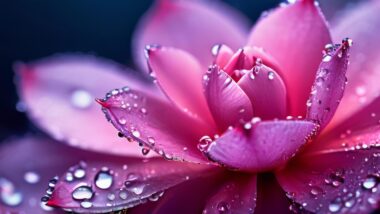
Polarizing filters are excellent for dog photography, especially in outdoor environments. These filters reduce glare from water, wet fur, and bright backgrounds, making them an essential tool when photographing your dog near lakes or parks. By eliminating reflections, the color saturation in your images can significantly increase, resulting in striking photography that captures your dog’s essence. Additionally, they enhance contrast, allowing details in textures to stand out. Whether you’re shooting in bright sunlight or on a slightly cloudy day, the polarizer can help you achieve stunning results. This type of filter is especially beneficial during the golden hour, as it can emphasize colors and textures that would otherwise appear flat. When using a polarizing filter, ensure you adjust the angle to maximize the effect—turning it can reveal varying levels of saturation and reflection reduction. Keep in mind that some light loss occurs when using a polarizer, so you may need to compensate by adjusting exposure settings. If your dog enjoys playing in water, this filter will help you capture the crisp details of droplets on their fur while maintaining rich colors in the surroundings.
Another useful filter is the Neutral Density (ND) filter. This filter is particularly advantageous when shooting action shots of dogs as it allows for longer exposure times even in bright conditions. The ND filter is particularly beneficial for capturing beautiful motion blur in your pictures, such as a dog running swiftly or playing fetch. This effect emphasizes the dog’s movement and adds a sense of energy to the shot. With an ND filter, you can slow down the shutter speed without overexposing your images. Alternatively, it also enables photographers to use wider apertures in bright light, creating a shallow depth of field that beautifully blurs the background. This technique makes the dog the focal point of the image, highlighting their features without distraction. Moreover, dogs are often unpredictable, making it essential to ensure clarity regardless of movement; therefore, being able to control shutter speed allows for capturing spontaneous moments perfectly. To conclude, the ND filter opens up many creative possibilities in dog photography, transforming casual shots into remarkably dynamic visuals that tell captivating stories about your adventure together.
Add a Splash of Color with Color Filters
Color filters are an exciting way to add a unique flair to dog photography. These filters allow photographers to introduce different color tones that can dramatically change the mood of an image. For instance, warming filters can give a timeless feel to your pictures, perfect for capturing your dog during cozy golden hour sessions. On the other hand, cool filters can create a more modern, stylish look. Whether you’re shooting candid moments or planned portraits, experimenting with color filters can lead to exciting artistic outcomes. Furthermore, color filters can also assist in enhancing certain aspects of the photo; for example, a blue filter can amplify the blue hues within a dog’s fur or the surrounding environment. This can result in visually striking images that convey emotion and depth. When using color filters, it’s essential to keep in mind how they interact with both natural and artificial lighting. Additionally, experimenting with different combinations of color filters can lead to surprising and delightful results that make your dog photographs uniquely yours.
When working with filters, one should also consider the importance of post-processing. While filters provide fantastic results during capture, editing software can further enhance these effects, allowing for precise control over light, color balance, and detail enhancement. During post-processing, you can play with saturation levels, contrast, and clarity to bring out the best in your images. Furthermore, utilizing digital filters can complement your physical filters, creating layered effects that contribute to a dynamic range of outcomes. For example, adding a touch of vignette enhances the focus on your dog, subtly guiding the viewer’s eye. If you use color filters during shooting, make sure to adjust white balance accordingly in post-processing to maintain natural tones. Also, it’s an opportunity to correct any unwanted color casts that may arise from using physical filters. Therefore, embracing both camera techniques and post-processing strategies allows for a versatile approach to your dog photography, resulting in compelling and striking final images that showcase the beauty and character of your furry models.
Final Thoughts on Filters in Dog Photography
In conclusion, the creative use of lens filters can significantly elevate your dog photography skills. By understanding the unique functions of polarizing, ND, and color filters, photographers can enhance the visual impact of their images. Experimenting with filters opens up a world of creative possibilities, allowing for dynamic portraits that showcase each dog’s personality. Filters help control light and enhance colors, creating images that resonate with viewers. Remember to consider the environment and lighting conditions when deciding which filter to use. Regular practice, alongside an openness to experimentation, will help you master these tools. Don’t hesitate to explore various techniques and combinations; sometimes, the best results arise from creative experimentation—after all, every dog has unique traits and qualities worth capturing! The journey in dog photography should be enjoyable, so cultivating your style while harnessing the power of filters can lead to stunning results. Your photography journey becomes more rewarding, further deepening your bond with your canine companions as you celebrate their quirky personalities through imagery.
In summary, creative use of lens filters can unlock a new realm of potential for dog photographers—enriching their compositions and allowing for expressive storytelling through images. Filters not only enhance aesthetic results but also help communicate emotions and moods, providing layers of meaning beyond the surface. As you experiment with different filters, keep in mind the environments and unique quirks of each dog you shoot. Always strive to embody their personalities and take on creative challenges. Over time, you will gain confidence and develop a distinct style that defines your photography. With practice, patience, and persistence, fantastic images await. As you grow in your photography journey, don’t forget how important it is to connect with your subjects. Every click of the shutter captures a moment in their lives, allowing you to create lasting memories for yourself and forever treasured images for pet owners. The passion behind dog photography, combined with the knowledge of utilizing filters effectively, can produce breathtaking visuals. So grab your camera, explore the outdoors, and delight in the joy of capturing the world through your lens as you document your unique experiences with dogs.