
Interactive Features for Indoor Cat Enclosures
Creating interactive features for indoor cat enclosures can transform them into engaging spaces for your feline friends. Cats are naturally curious and playful creatures; therefore, providing enrichment opportunities is crucial. Consider including climbing shelves that allow cats to explore vertically. Cats enjoy perching high up, observing their environment while feeling secure. Another essential feature is toys that stimulate their hunting instincts. Interactive toys, like feather wands or laser pointers, can stimulate their senses and encourage playful behavior. It’s also beneficial to provide scratching posts, which not only maintain their claws but also serve as activities. Rotating toys and activities keeps the environment fresh, engaging their minds and sparking interest. You could even integrate a puzzle feeder that dispenses treats as the cat interacts with it. The idea is to create a dynamic space where your cat can express its natural behaviors. Enhancing your cat’s indoor environment ensures their physical and mental well-being, improving their quality of life. Don’t underestimate the impact of a well-designed enclosure on your beloved pet; they thrive in spaces designed for their natural instincts and behaviors.
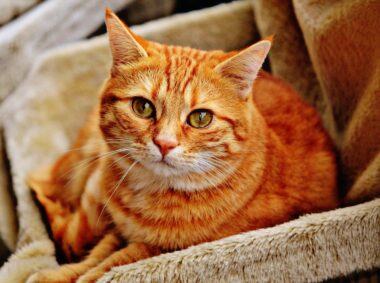
In addition to climbing and scratching features, facilitating relaxation zones is vital. Cats love having cozy spots to nap, and these areas can be enhanced with plush pillows or soft blankets. Incorporating hammocks within the enclosure can fulfill both their desire to lounge and their instinct to observe their territory from an elevated position. These relaxing features not only provide comfort but also ensure your cat feels safe and secure in their environment. Moreover, consider adding window access where your cat can bask in sunlight or watch the world outside. This offers a sense of connection to nature, enhancing their overall experience within the enclosure. To promote interaction among multiple cats or even with household members, design spaces where they can see each other comfortably. Install ramps for easy access between different levels within the enclosure. As you design, think of various sensory types that can keep your cat engaged. Providing items that rattle, crinkle, or contain different textures will keep them intrigued. Remember, your goal is to create a stimulating environment that meets their various needs—physical activity, mental challenges, and relaxing retreats.
Enhancing Playtime with Interactive Features
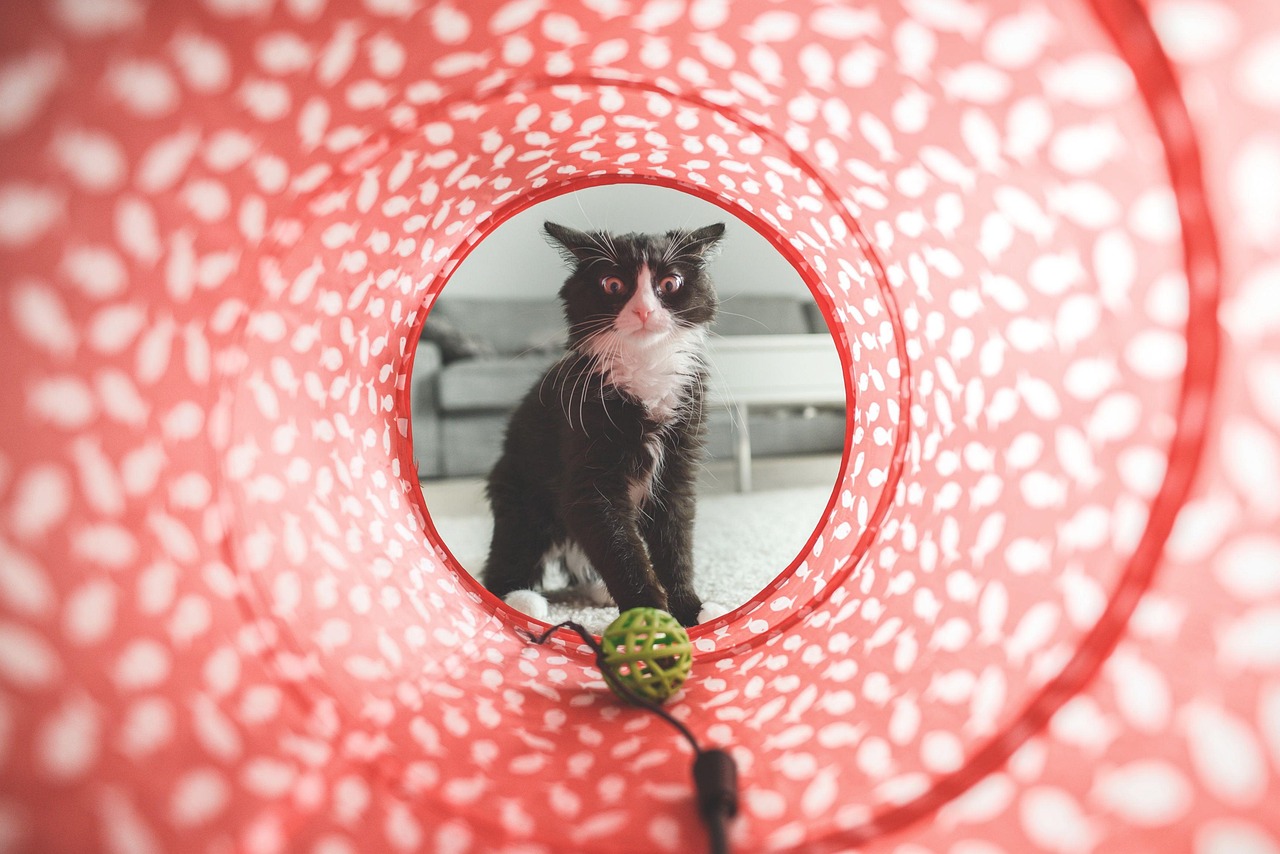
Interactive features in indoor cat enclosures can significantly enhance playtime by engaging cats in various activities. These elements can include hanging toys that sway or dangle, enabling cats to swat and catch them, satisfying their instinctual desires. Additionally, you might consider incorporating tunnels and hideaways where cats can dart in and out, stimulating their natural curiosity and hunting skills, as hiding spaces give them a feeling of security while promoting safe exploration. Rotate these toys and features regularly to maintain interest; this strategy can keep your pet guessing and engaged. Consider introducing a sensory wall, complete with different textures and scents. Cats are naturally inclined to explore with their paws and noses, therefore providing new tactile experiences encourages mental stimulation. Offering treat dispensers that dispense upon certain actions can also add an element of fun while rewarding your furry friend. Interactive features can help strengthen the bond between you and your cat as you participate in playtime together. Enrichment through interaction is vital, contributing to your cat’s happiness and well-being by ensuring they have plenty of opportunities to play.
Additionally, incorporating technology can add exciting dimensions to indoor cat enclosures. Automated toys or laser pointers that can be programmed to run at certain times can keep cats busy while their owners are away, providing entertainment and exercise. Consider installing an interactive camera for pet owners, allowing you to check in on your feline while away from home. Certain models can even dispense treats remotely, making it fun for both you and your pet. Smart technologies can smarten up enclosures, keeping pets engaged while encouraging playful interactions when you’re not present. Enhanced technology can also provide data on your cat’s activity levels, helping ensure they remain physically active. However, balance technology with tangible activities to create a varied play environment. You want to ensure that technology supplements rather than replaces natural behaviors. Ensure that all gadgets are safe and non-intrusive to your pet, promoting an engaging yet secure atmosphere. In essence, these innovations provide more than entertainment; they create opportunities to bond and stimulate your indoor pet in a reliable manner.
The Importance of Social Interaction
Social interaction is a significant aspect to consider when designing interactive features for indoor cat enclosures. Cats are often perceived as solitary animals, but they can greatly benefit from socialization with other pets or humans. To promote interaction, structure the space to allow for engaging activities between multiple cats. This can include placing toys in areas that encourage competition or cooperative play, providing a more lively environment. Moreover, creating spaces where cat owners can join their pets promotes bonding; consider chairs or floor spaces nearby for playtime. Utilizing interactive features like feather toys or laser pointers encourages you to engage directly with your cat, effectively deepening your bond. Furthermore, social interaction is particularly important for kittens, who learn critical social cues through play. Introducing your cat to different environments and activities encourages more adaptive behaviors. However, ensure that these interactions remain positive, providing a safe environment where they feel secure. Social features within your enclosure contribute significantly to their emotional and psychological well-being, fostering a happy, healthy indoor life for your feline companions.
Each component of the indoor cat enclosure should be carefully planned to enhance your cat’s well-being effectively. When designing, remember that every cat has unique personalities and preferences. Observe your cat’s behavior to identify what types of activities captivate them the most. For example, some cats enjoy climbing, while others prefer cozy spots to burrow. Customizing these features will ensure that every aspect resonates with your pet’s instincts and interests. Integrating a variety of elements—such as climbing structures, interactive toys, resting zones, and viewing spaces—will create a harmonious environment. Ensure that the enclosure’s layout allows for easy navigation and exploration, incorporating safety measures where necessary, like non-slip surfaces and appropriate widths between platforms. The end goal is to create a coherent and enjoyable indoor cat enclosure that caters to a cat’s natural instincts while ensuring their security. A well-designed enclosure will keep your cat intrigued, providing a lifetime of happy experiences and interactions. The joy your cat finds in their surroundings will strengthen your relationship, leading to years of healthy companionship.
Maintaining the Interactive Features
Finally, maintaining interactive features in your cat enclosure is just as important as installation. Regular upkeep ensures that the environment stays fresh, safe, and stimulating for your pet. Routinely inspect climbing structures for stability and wear, ensuring they remain sturdy and safe for your cat. Additionally, clean and sanitize toys to prevent the buildup of dirt and germs, keeping your cat healthy. Rotating toys not only keeps them new and exciting but also helps maintain your cat’s interest in their play areas. Make adjustments based on your cat’s changing preferences, as their interests may evolve over time. If you notice them losing interest in certain features, consider replacing or refurbishing them. Incorporating seasonal variations—like new toys or configurations during holidays—can reinvigorate engagement. Regularly assess the social interaction aspects as well, ensuring that your cat enjoys the company of housemates or other pets. An interactive enclosure should evolve alongside your pet’s personality, providing them with a tailored, enriching experience. Ultimately, a well-maintained and dynamic space will offer your cat years of enjoyment and enrichment.

Creating interactive features for indoor cat enclosures can transform them into engaging spaces for your feline friends. Cats are naturally curious and playful creatures; therefore, providing enrichment opportunities is crucial. Consider including climbing shelves that allow cats to explore vertically. Cats enjoy perching high up, observing their environment while feeling secure. Another essential feature is toys that stimulate their hunting instincts. Interactive toys, like feather wands or laser pointers, can stimulate their senses and encourage playful behavior. It’s also beneficial to provide scratching posts, which not only maintain their claws but also serve as activities. Rotating toys and activities keeps the environment fresh, engaging their minds and sparking interest. You could even integrate a puzzle feeder that dispenses treats as the cat interacts with it. The idea is to create a dynamic space where your cat can express its natural behaviors. Enhancing your cat’s indoor environment ensures their physical and mental well-being, improving their quality of life. Don’t underestimate the impact of a well-designed enclosure on your beloved pet; they thrive in spaces designed for their natural instincts and behaviors.