
Essential Guide to Choosing the Right Dog Training Muzzle
Choosing the right dog training muzzle is an essential aspect of responsible dog ownership. A muzzle can be an invaluable tool for various situations including training, vet visits, and grooming sessions. However, not all muzzles are created equal. The right muzzle should ensure the safety of both your dog and those around them, while also allowing for comfort and ease of use. It is crucial to assess your dog’s size, breed, and temperament when selecting a muzzle. You should also consider the specific purpose of the muzzle, as some designs cater to specific training needs or behavioral issues. Comfort for your dog is key; an ill-fitting muzzle can lead to stress or even harm. Be sure to look for muzzles that are adjustable and made from high-quality materials. Importantly, some muzzles allow for panting, drinking, and even treats, which can make the experience less stressful. Finding the ideal muzzle involves balancing safety, comfort, and functionality. Consult with professionals, such as trainers or vets, to help guide your choice. Thorough research before you buy ensures that your dog will feel comfortable in their muzzle.
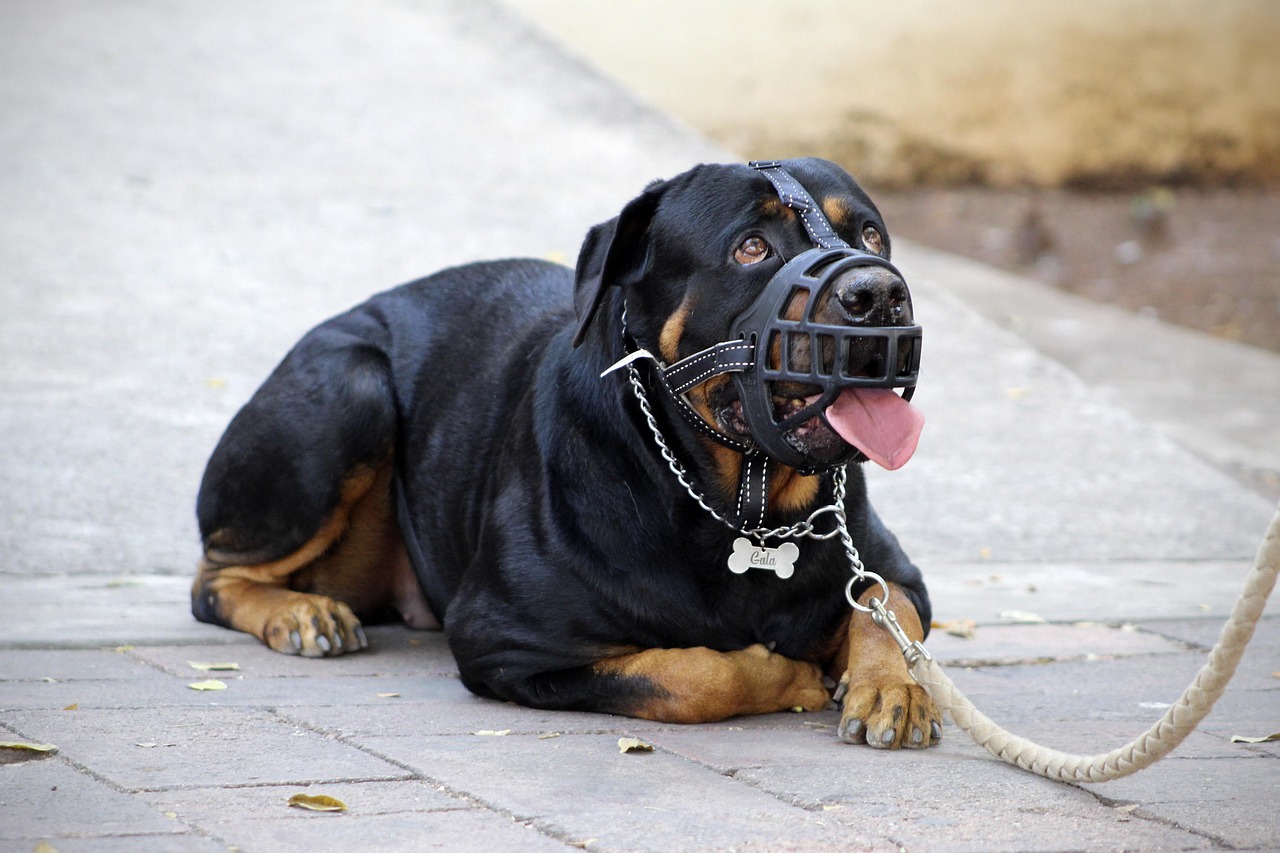
When evaluating different types of muzzles, it’s helpful to familiarize yourself with the various styles available. Understanding terminology can assist you in selecting the best product for your canine companion. Common muzzle types include basket muzzles, soft muzzles, and cloth muzzles. Basket muzzles are often made from plastic or metal and provide excellent ventilation, allowing the dog to breathe and drink while wearing it. On the other hand, soft muzzles are usually made from fabric and are better suited for short-term use and situations where the dog is less likely to resist. It’s important to note that soft muzzles can restrict the dog’s ability to pant. Cloth muzzles offer a lightweight option but may not be appropriate for aggressive dogs. When browsing online, checking reputable dog supply websites or local stores can provide a variety of options. Always read product reviews to understand how other customers rate a particular muzzle’s effectiveness and comfort level. In addition, consider reaching out to fellow dog owners for personal recommendations. These insights can often help narrow down your ideal choices.
Measuring Your Dog for a Muzzle
To ensure a proper fit, measuring your dog for the muzzle is crucial. Inaccurate sizing can lead to discomfort for your pet and potentially fail to meet your intended purposes. Begin by measuring the length of your dog’s snout from the tip to the base, right where their snout meets the eyes. Additionally, measure the circumference around the snout’s widest point, usually just below the eyes. Make sure to use a soft measuring tape for accuracy, and if your dog tends to have a wider or narrower head, factor that into your measurements for a customized fit. If your dog falls between sizes on the sizing chart, it’s generally advisable to choose the larger size for added comfort, as you can always adjust the muzzle for a more secure fit. Many brands provide specific sizing information and charts, so take note of these measurements for better accuracy. Don’t hesitate to rely on customer support if you have questions about sizing. Getting it right can make a significant difference in training efficacy and your dog’s overall comfort while wearing the muzzle.
After selecting the correct size for your dog’s muzzle, it’s time to focus on convenience and usability. Proper training is essential to get your dog accustomed to wearing the muzzle. Start with short sessions, allowing your dog to explore the muzzle without forcing it on them. Use treats to create positive associations with the muzzle, which can ease any anxiety they may have. Gradually, increase the duration for which your dog wears the muzzle. Remember to monitor their comfort level closely. Choose a muzzle that is quick to put on and adjust, which will aid in training sessions and day-to-day activities. Durability is also an important aspect when considering which muzzle to buy. Look for products with high-quality materials, as this means they will last longer and withstand wear and tear from regular use. Investing in a muzzle that is both functional and durable will save you money in the long run. Proper maintenance, such as regular cleaning, also extends the life of your muzzle while ensuring it remains hygienic for your dog’s use.
Best Practices for Muzzle Training
Training your dog to wear a muzzle can take time, patience, and consistent reinforcement. Always prioritize positive reinforcement techniques to make the experience pleasant for your dog. Begin with rewarding your pet for simply showing interest in the muzzle, and gradually work your way up to having them wear it. Encourage your dog through treats, praise, and affection; these rewards encourage positive behavior. It’s advisable to introduce the muzzle when your dog is in a calm state, helping to reduce anxiety and fear associated with the muzzle. Gradually increase the duration your dog wears the muzzle, monitoring their comfort and agitation levels closely. If your dog seems distressed, it’s essential to regress to the previous step and take things slower. Consistency in your approach will help your dog associate the muzzle with positive experiences. Additionally, train in different environments to ensure your dog remains comfortable no matter the setting. Lastly, involve family members in the process, as having the same approach can reinforce a consistent and supportive environment for the dog. Muzzle training is a valuable skill.
Safety is paramount when using a muzzle. Always supervise your dog when they’re wearing one, as some dogs may try to remove it or engage in unsafe behaviors. Muzzles should not be used as a long-term solution for behavioral issues; rather, they are temporary tools to ensure safety during specific situations. Regularly check the fit to ensure it hasn’t become loose or damaged, which could lead to unsuccessful restraint. If your dog shows signs of stress or discomfort, remove the muzzle immediately and reevaluate your approach to training. Never leave your dog unattended while wearing a muzzle, which can pose risks in emergencies. Be cautious during warm weather, as excessive heat can lead to overheating if a muzzle restricts the dog’s panting ability. Ensure that you always choose a muzzle that enables proper airflow, especially in hot temperatures. Understanding the nuances of how different types of muzzles work with your dog’s behavior ensures positive experiences for both of you. Consult with professionals regarding the best practices for your specific dog breed to achieve success in your training.
Conclusion: Choose Wisely for Effective Training
In conclusion, selecting the right dog training muzzle is integral to the training process and your dog’s overall happiness. Investing time into understanding different styles and measuring your dog correctly will yield positive results. By focusing on comfort, convenience, and safe training practices, dog owners can significantly improve experiences for both themselves and their pets. Don’t forget that socialization and ongoing training should continue alongside muzzle training to help address underlying behavioral issues. The combination of a properly fitted muzzle, patience, and consistent positive reinforcement can lead to significant behavioral improvements. Moreover, having a muzzle trained dog allows you peace of mind while navigating public spaces, veterinary visits, and group classes. As always, keep the lines of communication open with your veterinarian or dog trainer for tailored advice specific to your dog’s needs. Properly applied, muzzles become a valuable part of your dog training arsenal. The journey may require patience, but ultimately, it enriches the bond between you and your dog, fostering a harmonious and safe environment for all.