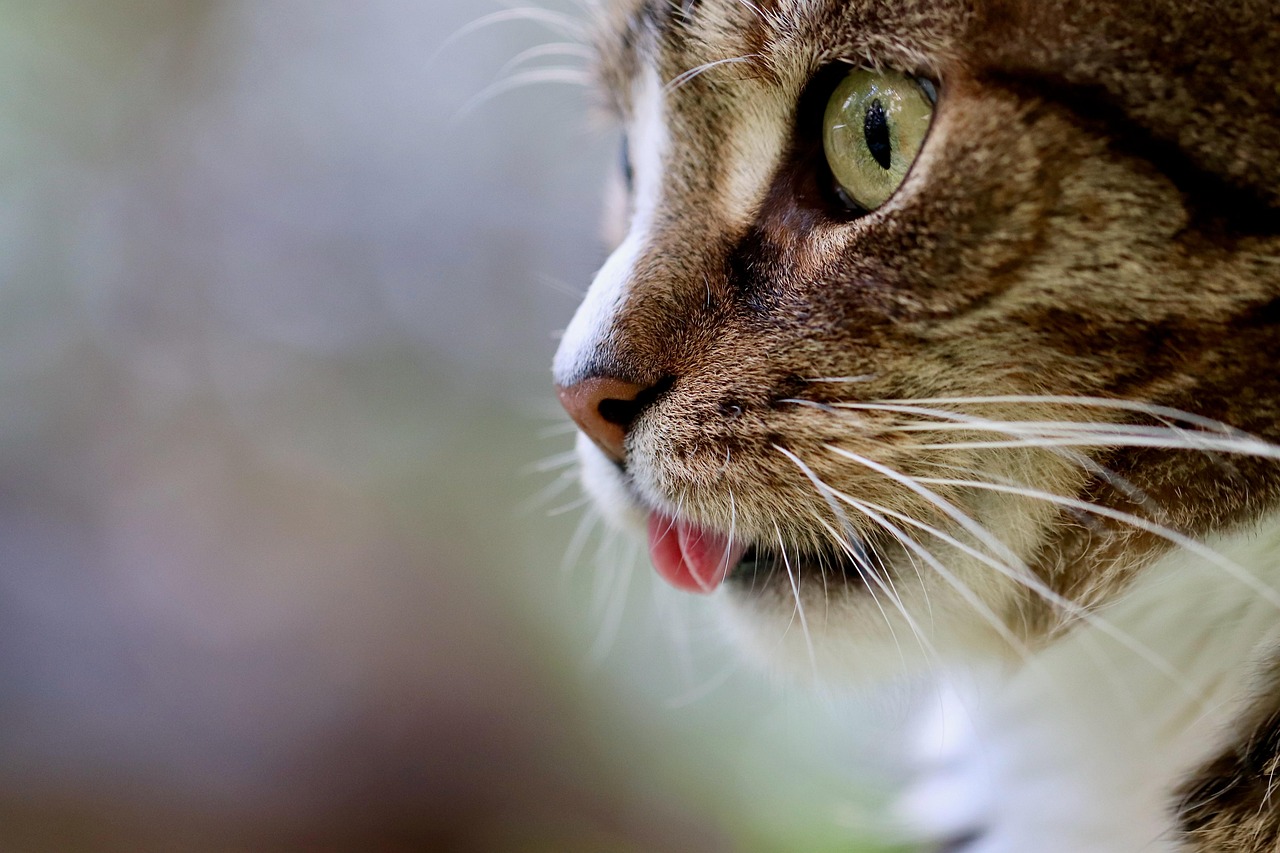

Interactive Games to Stimulate Your Cat’s Mind and Body
Cats are known for their independent nature, but they can also get bored and restless indoors. To keep them happy and healthy, engaging your feline friend in interactive games is essential. These games not only stimulate the mind but also provide physical exercise, preventing obesity and associated health issues. One way to achieve this is through puzzle toys that challenge your cat’s problem-solving skills. You can also incorporate feather wands, laser pointers, and even interactive laser toys to get them moving. Each game helps develop their coordination and keeps their instincts sharp. Additionally, consider using cardboard boxes or tunnels for enriching play. Cats love exploring and hiding, so these items provide great opportunities for exploration. Rotate toys regularly to maintain your cat’s interest and excitement. Regular playtime is also an excellent opportunity to bond with your pet. Having a structured playtime routine encourages them to engage more actively, creating a healthier lifestyle. These interactive activities elevate their mood and enhance their well-being, ensuring they remain lively and playful companions.
Choosing the Right Toys
When selecting toys for your cat, it’s crucial to consider their preferences and personality. Some cats exhibit a strong prey drive, while others enjoy chasing or pouncing. Understanding your cat’s instincts will help you identify the perfect toys for them. Invest in a variety of toys, including rodent and bird simulations, as well as those that mimic interactive challenges. Toys that dispense treats can entice your feline to work through the puzzle to enjoy rewards. This not only stimulates their mind but also encourages physical activity, making playtime more enjoyable. Keep a watchful eye on your cat’s interaction with new toys, assessing which ones spark the most interest. It’s also a good idea to read reviews or consult pet professionals on quality and safety, as your cat’s safety is paramount. Consider the durability of the toys, ensuring they withstand vigorous play without breaking apart. Additionally, invest in toys that are easy to clean and maintain for hygiene purposes. By carefully selecting toys that meet their physical and mental needs, you set the foundation for a stimulating environment.
To add an extra level of engagement, consider incorporating DIY toys into your cat’s play routine. Simple homemade options include crumpled paper balls, feathered sticks, or even fishing line with attached toys. These can provide hours of entertainment at a minimal cost. Tailor DIY options to your cat’s preferences, ensuring the materials used are safe and non-toxic. Another enjoyable method is to create a scavenger hunt around your home, hiding treats or toys in various locations. This activity offers both mental stimulation and physical exercise as your cat explores. As you create these engaging scenarios, observe their behaviors, allowing you to gauge what truly captivates their interest. Don’t forget to ensure your home is free of hazards that could pose risks during active play. Always supervise playtime, especially when using string or small objects, to prevent accidental choking or injury. By balancing store-bought and homemade toys, along with structured playtime, you help foster a stimulating environment. This atmosphere is essential for keeping your cat active and engaged, which promotes overall well-being.
Incorporating Training into Playtime
Training your cat can be a fun and rewarding way to enhance playtime. Using clicker training along with treats can encourage desirable behaviors during play. Positive reinforcement helps cats associate playful activities with rewards, creating excitement and motivation. Start with simple commands, such as ‘sit’ or ‘paw,’ during interactive games. Gradually introduce more complex tricks, providing treats or praise for successful attempts. Integrating training with play not only enriches the experience but also enhances your bond with your pet. Encouraging them to participate actively in their training can stimulate cognitive function while promoting physical activity. It’s vital to keep training sessions short and enjoyable, as cats have shorter attention spans. If they show signs of disinterest, take a break or switch to a different activity. Celebrate small successes to boost confidence and maintain enthusiasm. By incorporating training into playtime, you create a productive atmosphere for learning while keeping their spirits high. This approach fosters a stimulating environment, ensuring your cat remains mentally sharp and physically fit while enjoying interactive bonding sessions.
By diversifying interactive activities, you can prevent boredom and restlessness in your cat. Engaging them with various toys, puzzles, and games offers an array of stimulation while promoting rich bonding experiences. Regular playtime also brings an essential element of routine into their lives, which cats rely on. Establishing predictable play periods helps them feel secure and knowledgeable about their surroundings. Cats tend to thrive in familiar settings, so using the same toys or strategies consistently can help enhance their comfort. Consider scheduling daily play sessions based on your cat’s energy levels, observing if they prefer more active periods during certain times of the day. Also, ensure that you are available and responsive during play, as your involvement boosts their motivation. Lastly, use positive reinforcements, like treats, to celebrate fine play and interaction. This encourages them to continue engaging positively with you and their environment. Maintaining a strong relationship through interactive games not only enriches their daily lives but also strengthens your bond as companions, ensuring a fulfilling life together.
Monitoring and Adjusting Activities
It’s essential to monitor your cat’s interactions with toys and activities continually. Not every toy will capture their interest, and preferences often change over time. By observing which games illicit the most excitement, you can tailor their playtime accordingly. If a certain toy or game is underutilized, try rotating it out for a while. Introduce new options periodically to spark renewed interest, keeping them engaged and entertained. Stay attentive to signs of fatigue or disinterest during play, ensuring the activity level remains appropriate for your cat’s energy at the moment. If they appear tired, it may be beneficial to take a break or switch to a calmer activity, such as gentle petting or cuddling. This ensures that playtime doesn’t lead to overstimulation, which can result in negative behavior. Furthermore, maintaining a few high-energy options alongside calmer toys allows your cat to choose based on their mood, making play flexible and enjoyable. By regularly adjusting activities, you provide your cat with a dynamic environment that nurtures their physical and mental health.
Incorporating sensory stimulation can further enhance indoor enrichment for your cat. Use catnip-infused toys, which not only engage their senses but also encourage playful behavior. Other textures, such as crinkly materials or soft fabrics, can also pique their curiosity. Engage their olfactory senses by hiding treats in different areas to promote foraging behavior. Creating a rich sensory environment stimulates their natural instincts, encouraging exploration and play. Additionally, expose your cat to different environments if possible, such as safe outdoor areas or catios, to broaden their stimulation. All these elements contribute to mental wellness and can transform indoor spaces into a stimulating playground. Get creative and personalize your enrichment strategies based on your individual cat’s likes and dislikes. Always ensure that interactions remain safe and enjoyable, prioritizing your cat’s comfort. By providing diverse sensory experiences, you help keep them curious and mentally engaged daily. The more stimulating activities you provide, the more well-rounded and satisfied your feline companion will be.