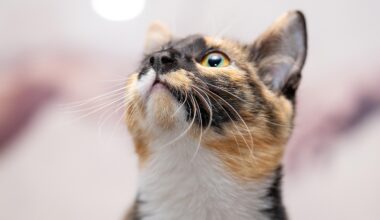

Understanding the Link Between Obesity and Diabetes in Senior Cats
As our feline companions age, their health needs change significantly. Senior cats often face a plethora of health concerns, among which obesity and diabetes are particularly alarming. These conditions are not merely common; they are interlinked. Obesity can predispose senior cats to diabetes, making proper weight management crucial. Obesity occurs when cats consume more calories than they burn over time. When the body struggles to handle excess fat, insulin resistance often develops. This means that, although insulin is present, the body’s cells fail to respond appropriately. Consequently, maintaining a healthy weight and recognizing early signs of diabetes can greatly improve the quality of life in senior cats. This oversight can lead to more severe health complications and may necessitate expensive medical care. Many senior cats are less active, which can exacerbate weight gain. Pet owners must adapt feeding regimens to provide balanced nutrition while discouraging overindulgence. By addressing these challenges holistically, owners can ensure that their furry family members enjoy their golden years with vitality and joy.
Identifying Risks and Symptoms of Diabetes in Senior Cats
Recognizing the signs of diabetes in senior cats is essential for early intervention. Common symptoms include increased thirst and urination, lethargy, and weight loss despite a good appetite. Changes in behavior such as a decrease in grooming habits and a lack of interest in play are also indicators. Senior cats with diabetes may experience muscle wasting and develop a dull coat due to poor nutrition management. Additionally, owners may notice excessive shedding and changes in how the cat interacts with its environment. Understanding these warning signs encourages prompt veterinary care. Regular check-ups become invaluable as senior cats are at a higher risk of developing diabetes. Blood tests can easily reveal glucose levels, thus facilitating timely diagnosis. Combating feline diabetes involves not only medication but also lifestyle interventions. Moreover, tracking body weight, hydration levels, and overall health can significantly enhance the management of diabetes. Early detection and a proactive approach can add years to our feline friends’ lives. Awareness and education about diabetes can empower pet owners to fight this disease effectively.
Dietary choices play a significant role in managing diabetes among senior cats. To regulate weight and blood sugar levels, selecting the right food is critical. High-protein, low-carbohydrate diets are generally advised for diabetic cats. Such diets help maintain satiety while avoiding spikes in blood glucose levels. Consulting with a veterinarian regarding dietary needs can lay the foundation for a manageable meal plan. It’s essential to read labels carefully, ensuring to minimize fillers and unhealthy additives. Regular feeding schedules can also aid in stabilizing their metabolism while promoting healthy eating habits. Portion control becomes paramount; serving sizes should be adjusted based on the cat’s individual health status. While treats can still be given, they should be low in calories and free from sugary ingredients. An idea could be to use pieces of cooked chicken or specialized diabetic snacks. Hydration is equally important; ensure fresh water is always available. A balanced diet, paired with exercise, can lead to significant improvements in a senior cat’s overall health. The focus should always remain on providing the best care for our aging felines.
Regular exercise is another crucial component in managing senior cat diabetes. While it may be easier for younger cats to engage in play, senior cats require gentle encouragement to be active. Low-impact activities, such as interactive toys or gentle play sessions, help improve mobility and overall fitness. Additionally, short walks or gradual exploration of the yard can stimulate both body and mind. Building a routine activity schedule can motivate both owners and cats alike. Cats often exhibit boredom, so varying activities may also pique their interest. Owners can also create a stimulating environment by adding vertical spaces and climbing structures that promote engagement without excessive strain. The objective is to keep senior cats active enough to maintain a healthy weight without over-exertion. Moreover, using treat time effectively will encourage participation in play. Techniques like clicker training can foster a deeper bond and provide mental exercise. Regular veterinary check-ups should complement these strategies to monitor weight and blood sugar levels consistently. By integrating exercise, owners can help manage diabetes risk in their aging companions while enriching their lives.
Understanding the link between obesity and diabetes in senior cats highlights the need for preventive measures. Strategies aimed at weight management must be prioritized during regular vet visits. Owners should weigh their cats at each check-up to monitor changes. A sudden increase in body weight can signify unhealthy lifestyle changes, while a gradual decrease might indicate health issues. Collaborating with veterinarians to develop individualized care plans can instill peace of mind. Each cat is unique, and recommended solutions may vary accordingly. Consistency in care is essential; maintaining a routine for feeding, exercise, and vet appointments can make a significant difference. Furthermore, involving family members in a cat’s care can enhance accountability and awareness. Education regarding cats’ dietary habits is paramount; owners should remain vigilant about what their pets consume daily. Keeping a journal or logs detailing weight, health changes, and behaviors can facilitate communication with the vet. Digital tools can also aid in tracking health metrics. These committed efforts will ultimately lead to better long-term outcomes and can help ensure that senior cats enjoy a healthier, happier life.
The Importance of Routine Veterinary Check-ups
Regular veterinary check-ups are imperative in monitoring the health of senior cats. Annual or bi-annual visits tailored to older felines allow veterinarians to assess health risks effectively. These appointments offer an opportunity for blood tests and glucose level checks, serving as valuable indicators of a cat’s overall well-being. Early diagnosis of diabetes can greatly alleviate complications later. A veterinarian can also advise on necessary vaccinations, nutritional adjustments, and preventive medications tailored specifically for senior cats. Testing for comorbidities like kidney disease or hyperthyroidism at these visits is equally beneficial, as these could influence diabetes management. Any change in behavior or symptoms reported during the visit can aid in early detection of health issues. Maintaining an open dialogue with the veterinarian encourages informed decisions about a cat’s care. Post-visit, following the recommended treatment plans and adjusting as the cat’s needs evolve is essential for health maintenance. Each visit builds a trusting relationship with the vet, ensuring that unique needs of the senior cat are prioritized. This proactive approach is key to ensuring quality life in the golden years.
Feline obesity and diabetes are pressing issues affecting many senior cats, yet they can be managed. Through appropriate diet, exercise, and regular veterinary care, the impact of these conditions can be significantly mitigated. Educating oneself on these subjects is a great initial step towards better health outcomes. Awareness is indeed the first line of defense in preventing problems related to obesity and diabetes. Pet owners have a crucial role in making informed choices for their cats. By understanding the risks factors and applying preventive measures, caregivers can significantly enhance the quality of life of their senior cats. Moreover, strong community support, such as local pet health groups, can amplify awareness. Engaging with other cat owners fosters an environment for sharing tips and experiences, leading to better care practices. Finally, remember that our furry companions depend on us for their wellbeing; this responsibility is not to be taken lightly. Together, we can navigate the challenges of owning a senior cat with grace and love, ensuring they remain happy and healthy throughout their golden years.