
How to Transition Your Kitten from Milk to Solid Food
Transitioning your kitten from milk to solid food is an essential stage in its development. Kittens usually begin life with a milk-based diet, primarily from their mother or kitten formula. At around four weeks, they start to show interest in solid food. When introducing solid foods, it is essential to choose high-quality, specially formulated kitten food that meets their growing nutritional needs. Always look for products labeled as complete and balanced, as these will support their overall health. Soft, canned food is typically easier for kittens to handle initially. Over time, you can gradually incorporate dry food to diversify their diet. Begin by mixing a small amount of canned food with their usual milk. Monitor their reaction and digestion closely during this period. Expect some initial hesitation, but persistence is key. Always provide fresh water alongside their meals as hydration is crucial. Remember, each kitten is different. Adjust your approach based on individual preferences and growth. Praise and encourage your kitten when it tries new foods, fostering a positive experience. Patience will ensure a smooth transition that sets the foundation for healthy eating habits.
During the transition from milk to solid food, it is important to maintain a consistent feeding schedule. Create a routine that involves feeding your kitten at the same times each day to foster good habits. Initially, offer small amounts of solid food mixed with their milk to ease them into the change. Gradually increase the solid food ratio over time, reducing the milk component. Monitor your kitten’s weight and body condition closely during this time to ensure that they are adjusting well. If you notice any digestive upset, such as diarrhea or vomiting, consult your veterinarian for advice. They might suggest a different diet or transition plan. It’s crucial to introduce solid food gradually and patiently. Any sudden changes in diet can lead to health complications. It can be beneficial to observe your kitten’s preferences when choosing flavors and textures. Experiment with different proteins such as chicken, fish, or turkey to discover what excites their palate. Always prioritize kitten-specific formulas rather than standard cat food, as their nutritional needs differ significantly.
Choosing the Right Kitten Food
Choosing the right kitten food is critical for their proper growth and development. When selecting food, look at the ingredients on the packaging to ensure it contains high-quality protein sources as the first ingredient. Avoid foods with fillers or artificial preservatives, as these may not provide the necessary nutrients. Opt for options that are specifically formulated for kittens, rather than adult cat food. Kitten food is higher in calories, protein, and fat to support their rapid growth. Wet food can be a great introduction to solid food, as it often has a stronger aroma that tempts kittens to eat. Moreover, wet food can help increase their water intake, promoting proper hydration. However, incorporating dry food is also important for dental health. You might also consider consulting your veterinarian if you have questions about your kitten’s dietary needs or weight gain. They can offer personalized recommendations based on your kitten’s health and growth milestones. Ultimately, providing a nutritionally balanced diet will lay the groundwork for a thriving, healthy adult cat in the future.
As you proceed with the transition, observe your kitten’s behavior around the food. Some kittens may be more adventurous than others, quickly adapting to new flavors and textures. Others might take their time, requiring further encouragement and exposure to solid food. You can enhance their eating experience by encouraging exploration around their food bowls. Try placing their food in different locations to stimulate their curiosity and engage their hunting instincts. Ensure that meals are always fresh, as kittens are more likely to eat food that is palatable. Always keep an eye on portion sizes, as overfeeding can lead to obesity. Allow them to eat at their own pace, but try to avoid free-feeding, as this can lead to poor eating habits later on. You can consider offering small, frequent meals instead of the usual twice a day. Keep a consistent feeding area, so your kitten starts associating that space with meals. This consistency will help create a routine that can be beneficial for both you and your pet during this transition.
Hydration is Key
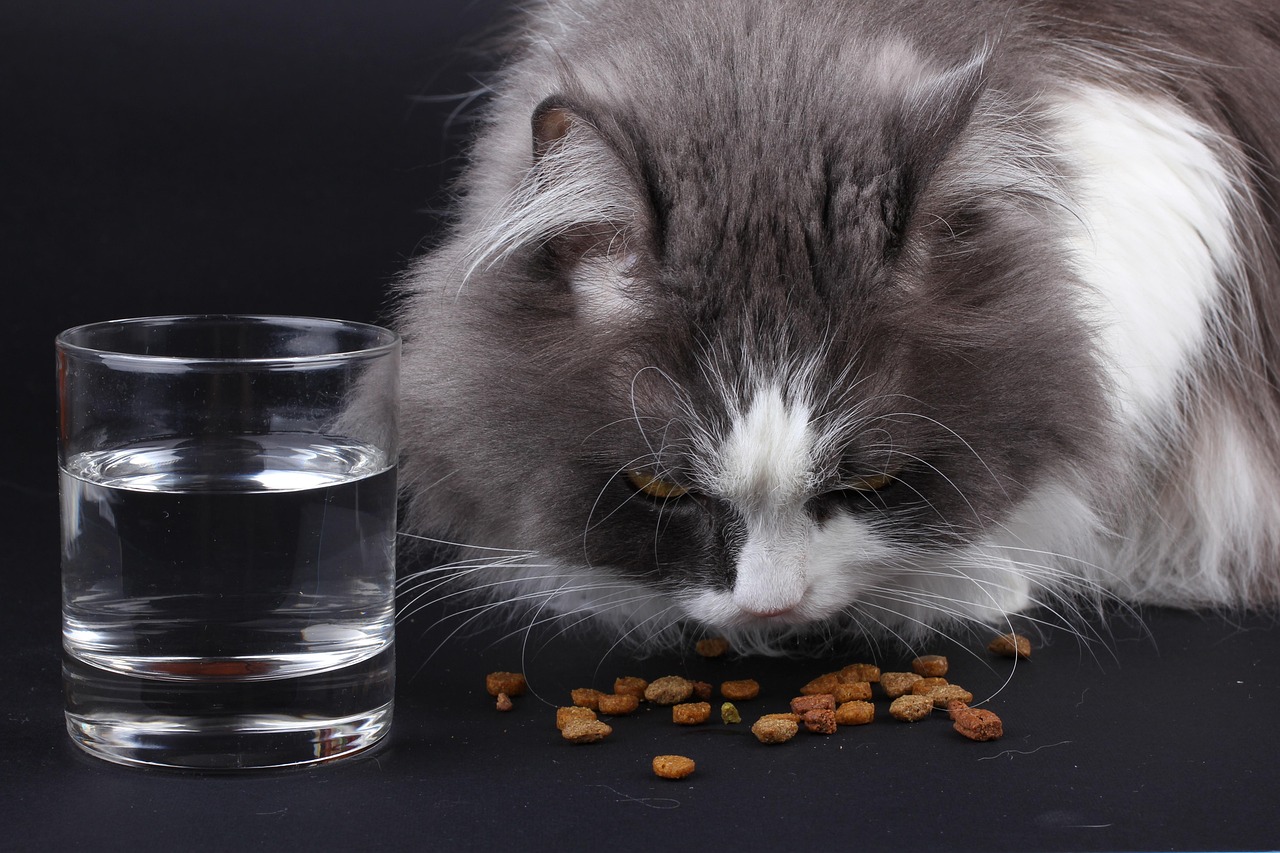
Maintaining proper hydration during this transition period is incredibly important. Dry kibble can sometimes be difficult for young kittens to consume, especially when they are just starting with solids. To ensure they are getting enough water, always have fresh, clean water available near their food. Kittens are playful and naturally curious, so doing this encourages them to try drinking. Offer several water bowls around your home to promote healthy hydration habits. Refill the water dishes frequently to ensure freshness and cleanliness. If you find your kitten isn’t drinking enough water, consider incorporating wet food into their diet more regularly, as it can increase their water intake considerably. You might also try using a pet water fountain, as many cats enjoy drinking from running water sources. Monitoring your kitten after meals is essential, looking for changes in energy levels, playfulness, or any signs of lethargy. If you notice any health issues or refusal to drink, consult your vet as they can offer solutions or alternative feeding recommendations. Healthy hydration contributes to their overall well-being and aids digestion.
As your kitten adjusts to solid food, be aware of common issues that might arise. Occasionally, kittens experience digestive upset during periods of dietary transition. Symptoms may include diarrhea or vomiting, indicating that they may need a slower shift to solid food. If this occurs, consider returning to a softer texture or mixer of food. Gradually increase this again over several days until they adapt. If digestive issues persist, schedule a visit with your veterinarian, who can help identify underlying concerns related to diet. Additionally, be mindful of food allergies that could develop. Common allergens for kittens include certain proteins or grains. If you suspect an allergy, observe any unusual symptoms following feedings such as itching or skin issues and report them to your vet. Regularly transitioning to new flavors can also help gauge your kitten’s sensitivities. Make meal times enjoyable and stress-free to foster a positive eating experience. The first few months are critical in establishing lifelong eating patterns and preferences. Engaging with your kitten and promoting healthy habits will set them on the path to a long and healthy life.
Establishing Healthy Eating Habits
Lastly, establishing healthy eating habits early on plays a vital role in your kitten’s long-term health. Engaging in a positive feeding routine makes them more comfortable with meal times. Try to provide a calm environment free from distractions, as loud noises or frequent interruptions can deter them from eating. Consistent mealtimes help them understand when to expect food, promoting a sense of security and routine. During these early stages, avoid offering human food as treats. While it can be tempting, it may lead to picky eating and nutritional imbalances. Instead, reserve specific kittens approved treats for positive reinforcement throughout training. Fostering a love for appropriate foods improves their relationship with meal times. It’s crucial not to give in to begging behaviors as this can perpetuate unwanted habits. Instead, reward good behavior and allow them to enjoy their meals in peace. Remember to celebrate successful transitions, as positive reinforcement further encourages good eating habits. A well-balanced diet accompanied by healthy habits will lead to a happy, thriving cat that enjoys food throughout its life.