
Understanding Cat Grooming Behavior and What It Signifies
Cat grooming is not just a means of maintaining cleanliness; it carries significant meanings regarding their behavior and emotions. Cats meticulously groom themselves primarily for hygiene, yet this act can reveal emotional states. When a cat is seen engaging in grooming rituals, it often reflects their level of comfort in their environment. A comfortable cat usually demonstrates relaxed grooming, suggesting they feel safe and content. Conversely, if a cat engages in excessive grooming, it may be a sign of stress or anxiety. Observing your cat’s grooming habits can provide valuable insights into their overall well-being. It’s essential to note that grooming behavior varies between breeds and individual personalities, indicating how each cat processes its surroundings. Thus, understanding these nuances becomes crucial for cat owners aiming to ensure their pet’s emotional and physical health. Moreover, the act of grooming can also serve as a social tool among felines, reinforcing bonds. Grooming each other, called allogrooming, indicates a healthy, social relationship among cats. In essence, grooming behavior provides a window into the complexities of cat communication.
Aside from individual grooming behavior, the context of this behavior can also hint at a cat’s emotional state. For instance, if a cat licks excessively after a stressful event, it may serve to self-soothe. The repetitive action of grooming can relieve anxiety and distract from negative feelings. Understanding this context helps cat owners respond empathetically to their pets’ needs. Additionally, a cat’s grooming can also indicate their mood when interacting with other animals or humans. If a cat hesitates to groom in front of strangers, it may feel insecure in their company. Establishing trust is key here, and owners should encourage a comfortable environment that fosters security. Engaging in interactive play can divert attention from grooming-related stress. Furthermore, the relationship between grooming and health cannot be undervalued. Cats routinely groom themselves to avoid health risks caused by dirt or parasites. Neglecting grooming can lead to matting of fur or skin irritations, possibly resulting in serious health issues. Owners must regularly inspect their cats to identify any concerns that arise from their grooming habits, thus maintaining both hygiene and health.
Grooming and Social Behavior in Cats
The social aspect of grooming behavior among cats cannot be overlooked. Grooming is often a communal activity that reinforces social bonds between cats. Through mutual grooming, felines not only maintain cleanliness but also exhibit affection and trust. When cats groom each other, it serves as a sign of friendship and helps to strengthen their social connections. In multi-cat households, observing these interactions provides essential insights into social hierarchies within the group. A dominant cat may groom less than its submissive counterparts, who may seek grooming as reassurance. It’s fascinating how animals communicate beyond simple vocalizations. In essence, grooming is a complex language through which cats express their feelings and maintain relationships. Cat owners can also replicate this nurturing behavior through gentle petting, serving to build trust and affection. Cats that receive regular positive interactions are less likely to exhibit anxiety and stress, allowing for a happier environment overall. Engaging with your cat, whether through grooming or petting, demonstrates your love, reinforcing their sense of belonging and comfort. Understanding these social interactions lays the groundwork for better feline companionship.
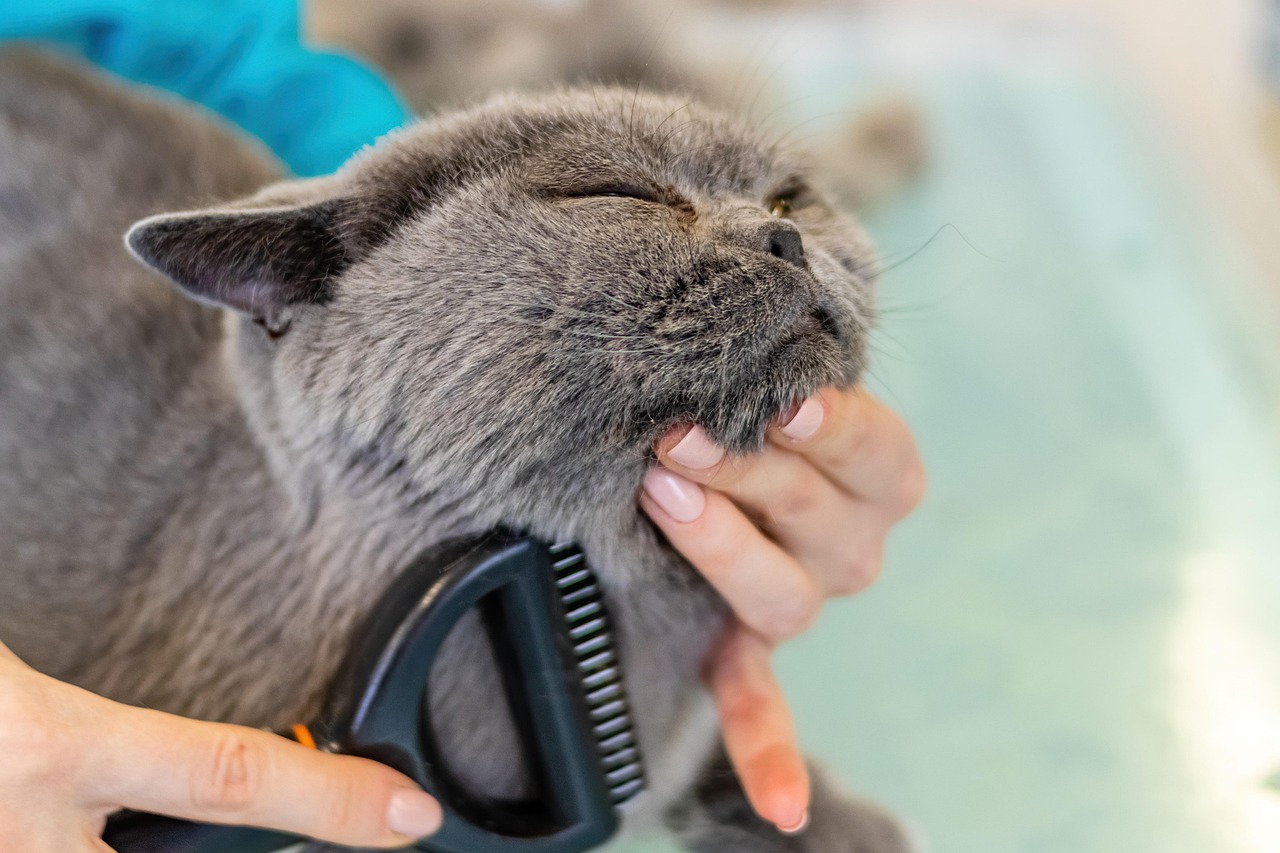
The grooming behavior of cats can also change seasonally and can be tied to environmental factors. For example, during shedding seasons, cats may groom more frequently to assist with loose fur removal. As the temperature changes, a cat may adjust grooming habits to regulate body temperature and maintain comfort. In winter, they might groom less as their thicker coats provide warmth, while in summer, higher grooming activity could reflect their need to keep cool. Observing these changes can help owners understand their cats’ natural responses to their environment. Additionally, certain breeds require different levels of grooming due to their fur types. Long-haired breeds often need extra attention to prevent matting, while short-haired cats may have less intensive grooming needs. Owners should be proactive; regular grooming sessions can reduce stress for both the cat and the owner. Establishing grooming routines can also aid in health checks, identifying any skin issues early on. Ensuring a positive grooming experience often requires gradual acclimatization, particularly for those not accustomed to being handled. Patience and gentle techniques contribute significantly to a cat’s overall comfort and willingness during grooming sessions.
The Role of Environmental Factors in Grooming
Furthermore, environmental stressors can play a significant role in determining a cat’s grooming habits. Cats are highly sensitive creatures; changes in their surroundings may result in alterations in their grooming routines. Factors like new pets, relocation, and even changes in household dynamics can stress a cat, prompting excessive grooming as a coping mechanism. It’s vital for owners to recognize these signs early to provide adequate support. A stable environment is essential for a cat’s emotional well-being; disturbances can lead to anxiety, affecting grooming practices. Offering secure spaces where a cat can retreat can help mitigate stress. Environmental enrichment, including scratching posts and interactive toys, serves as excellent distractions from grooming. Striking a balance between providing stimulation and comfort is key; this fosters a healthier behavior pattern. Training techniques and positive reinforcement can further enhance a cat’s adjustment to new situations. Ultimately, understanding the influence of environmental factors on grooming behaviors allows cat owners to create a nurturing atmosphere that encourages overall happiness. A happy cat is often a well-groomed cat, illustrating the interconnectedness of behavioral health.
Observational skills can be pivotal when considering your cat’s grooming habits. Monitoring frequency, technique, and general attitude toward grooming can reveal essential information about their mental state. For example, a cat that normally enjoys grooming but stops altogether may indicate potential health issues and should be examined by a veterinarian. Inspecting whether grooming intensity changes or locations shifts provides added insights. Changes may signify discomfort or condense underlying behavioral issues that require attention. An increase or decrease in grooming can both serve as important indicators of a pet’s inner feelings and physical wellness. Being attentive to cat body language during grooming routines also clarifies their emotional state. Signs of irritation or discomfort can point towards skin problems or conditions like arthritis, influencing their ability to groom themselves effectively. Owners should also be alert to behavioral changes following stressful situations. After vet visits or car rides, it is common for cats to exhibit increased grooming or avoidance of the activity altogether. Such observations are crucial for timely interventions. Thus, understanding these grooming habits ensures that both mental well-being and physical health are prioritized.
Conclusion: Grooming as a Window into Wellness
In conclusion, grooming behavior among cats reflects a spectrum of emotional and physical health states. Understanding these behaviors helps cat owners create an environment that fosters trust, comfort, and overall well-being. Each cat is unique, and their grooming habits provide crucial insights into their feelings. Active observation and recognition of grooming behaviors allow owners to respond appropriately, enhancing their companions’ lives. By actively engaging with their cat, whether through grooming, play, or social interaction, owners strengthen their bond and improve the emotional resilience of their pets. Moreover, understanding the underlying motivations for grooming, including environmental influences, health considerations, and social dynamics, deepens the appreciation for feline behavior. A well-groomed cat is often a happy one, and providing a supportive and loving environment promotes mental health and wellness. This interconnectedness of grooming with various aspects of cat life captures the essence of what being a responsible pet owner entails. Ultimately, fostering a nurturing, aware space through thoughtful caregiving lays the groundwork for a fulfilling and contented cat-human relationship. Embrace the complexities of your cat’s grooming behavior; they reveal so much.
Understanding cat grooming behavior is an ongoing journey that enhances the connection between pets and their owners with a deeper awareness of feline needs. This knowledge allows for enriched relationships that prioritize emotional and physical well-being while fostering stronger bonds.