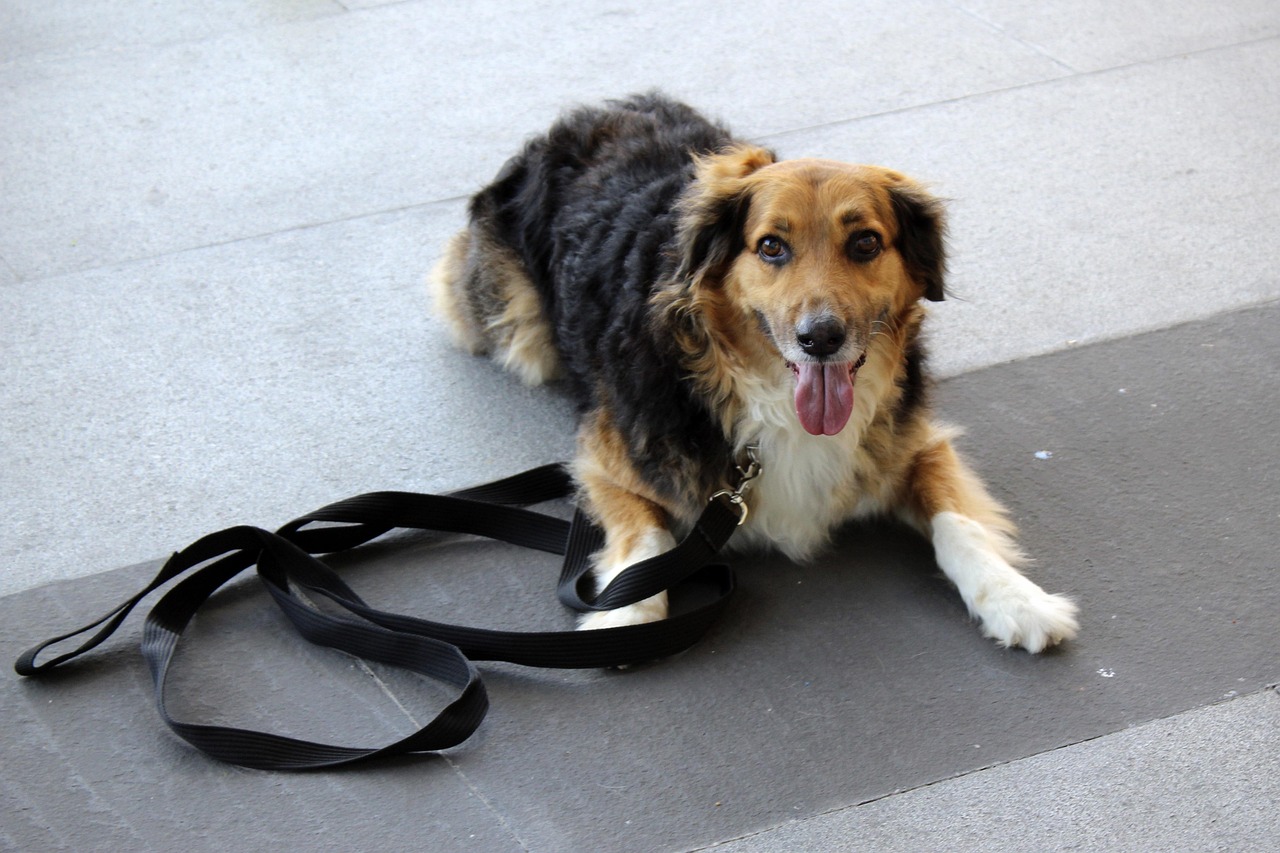

Top Commands for Managing Dogs Inside the House
When it comes to training your dog inside the house, commands play a vital role in ensuring good behavior. Commands such as “sit,” “stay,” and “come” are fundamental to obedience training. Effectively applying these commands makes life easier for both you and your pup. Start with simple commands, and gradually introduce complex ones as your dog progresses. Consistency is crucial; always use the same word for each command to avoid confusion. Rewards like treats, praise, or playtime can reinforce positive behavior. It also helps build a stronger bond between you and your dog. Practice these commands in various settings to ensure your dog connects them with the appropriate behavior regardless of the environment. Clear communication, patience, and repetition are key when training your dog. For example, use a firm tone when issuing commands but maintain a friendly and encouraging demeanor. If your dog struggles, break down the command into smaller steps. Be sure to monitor your dog’s reactions and adjust your methods accordingly. With dedication, you can effectively utilize commands to manage your dog successfully throughout your indoor living space.
In addition to basic commands, other commands are quite beneficial for maintaining order inside your home. Commands like “leave it” and “drop it” can protect your belongings and keep your dog from picking up harmful substances. Using these commands not only helps to prevent messes but also ensures your dog’s safety. Teaching “leave it” requires you to distract your dog from a tempting object. When your dog refrains from engaging, praise and reward them. The “drop it” command tells your dog to release items from their mouth, making it invaluable for situations when they pick up inappropriate objects. Practice makes perfect; consistently reinforce these commands during daily activities. Incorporate training sessions into your routine for effective learning. Short, frequent training sessions yield better results than longer, infrequent ones. Be patient; dogs learn at their own pace. Over time, your dog will come to understand these commands, helping you manage their behavior effectively in various situations. Additionally, remain aware of your dog’s body language. It can provide crucial feedback on their understanding. The aim is to have an obedient, well-mannered dog that respects household rules.
Advanced Commands for Inside Training
Once your dog masters the basic and intermediate commands, you can introduce advanced commands to enrich their training. Commands like “go to your place” and “settle” help promote calmness in your living space. Teaching your dog to go to their bed or designated spot can serve as a safe haven during busy moments. This command aids in establishing boundaries while preventing unwanted behaviors. To teach this command, lead your dog to their place and reward them once they settle down. Similarly, the “settle” command encourages your dog to relax and lie down calmly. This is particularly useful when guests visit or during family meal times. You can also incorporate relaxation techniques, such as deep breathing and a soft voice, while reinforcing this command. Additionally, introducing a command like “quiet” helps with barking control at home. Gradually, your dog will learn that quieting down gets them more attention and treats. Utilizing these advanced commands showcases your dog’s intelligence and can make home life more enjoyable for everyone. It also displays an owner’s ability to cultivate a well-rounded canine companion.
Consistency remains a cornerstone of effective dog training within your home. Repeating commands during different activities reinforces their meanings. For instance, practice commands during meal times, play sessions, or walks. This consistent usage helps create an environment where your dog understands expectations in various scenarios. It is essential to maintain a schedule that includes regular training and reinforcement periods. Regularity aids in sharpening your dog’s skills and ensuring they stay engaged. Remember, a training session does not always have to involve formal exercises. You can integrate commands into your daily interactions. Simple tasks, like asking your dog to wait before entering a room or sit before receiving food or toys, continually reinforce their training. Simultaneously, avoid excessive repetition that might lead to boredom or frustration. Mixing up the training environment, utilizing toys, and rewarding spontaneous good behavior will keep the experience fresh for your pet. Monitor their motivation levels; adjusting the incentive can reignite interest. Ultimately, the goal is to create a harmonious home environment where your dog feels secure and understands their place within the pack.
Using Commands for Socialization
Socialization is an essential aspect of raising a well-behaved dog, with commands playing a crucial role. Introducing your dog to new environments and experiences helps them adapt to various situations. Commands like “meet and greet” or “go play” encourage your dog to interact positively with other pets and people. Start by exposing your dog to controlled social environments, such as dog parks or training classes. Initially, maintain a comfortable distance from other animals, gradually introducing them as they show confidence. Reinforce positive behavior through commands; for instance, ask your dog to sit before allowing them close to other dogs. This helps them learn patience and self-control, which are vital traits. Utilizing commands during social outings not only keeps your dog focused but also reinforces training. Forcing interactions without command compliance can lead to anxiety or aggression. By following a structured approach, you can ensure positive experiences for your dog while socializing. Always be attentive to their comfort levels and provide reassurance as needed. Ultimately, the right commands can facilitate healthy and enjoyable interactions for your dog in varied social settings.
Training your dog in the house also establishes essential safety skills, preventing unwanted accidents or behaviors. Commands such as “off” are important for controlling jumping or climbing onto furniture. It’s vital to address these behaviors, especially with larger breeds that can cause damage or injury. Teaching “off” involves rewarding your dog when they remove themselves from furniture or stop jumping on guests. It’s essential to reinforce this command consistently to ensure understanding. Similarly, employing commands to control excitement can greatly improve your pet’s behavior. Simple commands like “wait” before opening the door can prevent escape and ensure safety. Additionally, commands such as “no” or “enough” help prevent overly rowdy play or barking. Do not be discouraged, as the learning process involves trial and error. Recognizing patterns in your dog’s behavior allows you to preempt potential issues. Create a conducive training space to minimize distractions during sessions. Ensure that all family members apply the same commands for consistent messaging. With time and persistence, your dog will learn essential commands that create a safer and more orderly home environment.
The Importance of Patience in Training
Training a dog requires a great deal of patience and understanding from the owner. Dogs do not learn overnight; their training is a gradual process that requires time. Approach each session with a calm demeanor, and understand that challenges will arise. Different breeds may respond to commands at varying rates. It’s essential to adapt your training methods according to your dog’s learning pace. Celebrate small victories during the training process, as they contribute to your dog’s overall progress. Instead of getting frustrated by mistakes, view them as learning opportunities for both you and your pet. Implementing positive reinforcement encourages their enthusiasm and eagerness to learn. For instance, if your dog struggles with a command, try presenting the command in a different way or using a different type of reward. Tailoring your approach keeps them motivated and engaged. Remember to mix fun into training; this will foster a positive association with learning. Finally, showing appreciation for their efforts, no matter how small, reinforces your bond, leading to better communication. In conclusion, patience is key to achieving a well-trained and obedient dog within the comfort of your home.
In summary, managing dogs inside the house effectively relies heavily on consistent training with clear commands. Essential commands such as “sit,” “stay,” and “come” form the foundation for good behavior. Along with these basics, established commands such as “leave it” or “drop it” enhance safety and reduce property damage. As you move towards advanced commands, like “go to your place” and “settle,” you further promote calmness and structure in your home environment. Consistency in application and integration of commands during daily activities is crucial for effective learning. Providing ample socialization opportunities with commands crispens interactions between your dog and the world. Moreover, patience and understanding facilitate a stress-free learning environment. By being adaptive and recognizing your dog’s needs, you’ll foster resilience in the bonding process. Training is not simply about obedience; it’s an opportunity for connection and communication. Continue to be encouraging and celebrate each stride, no matter how minor it seems. The ultimate goal is to cultivate a harmonious home where both you and your dog can thrive together, enjoying the whole experience of living as companions.