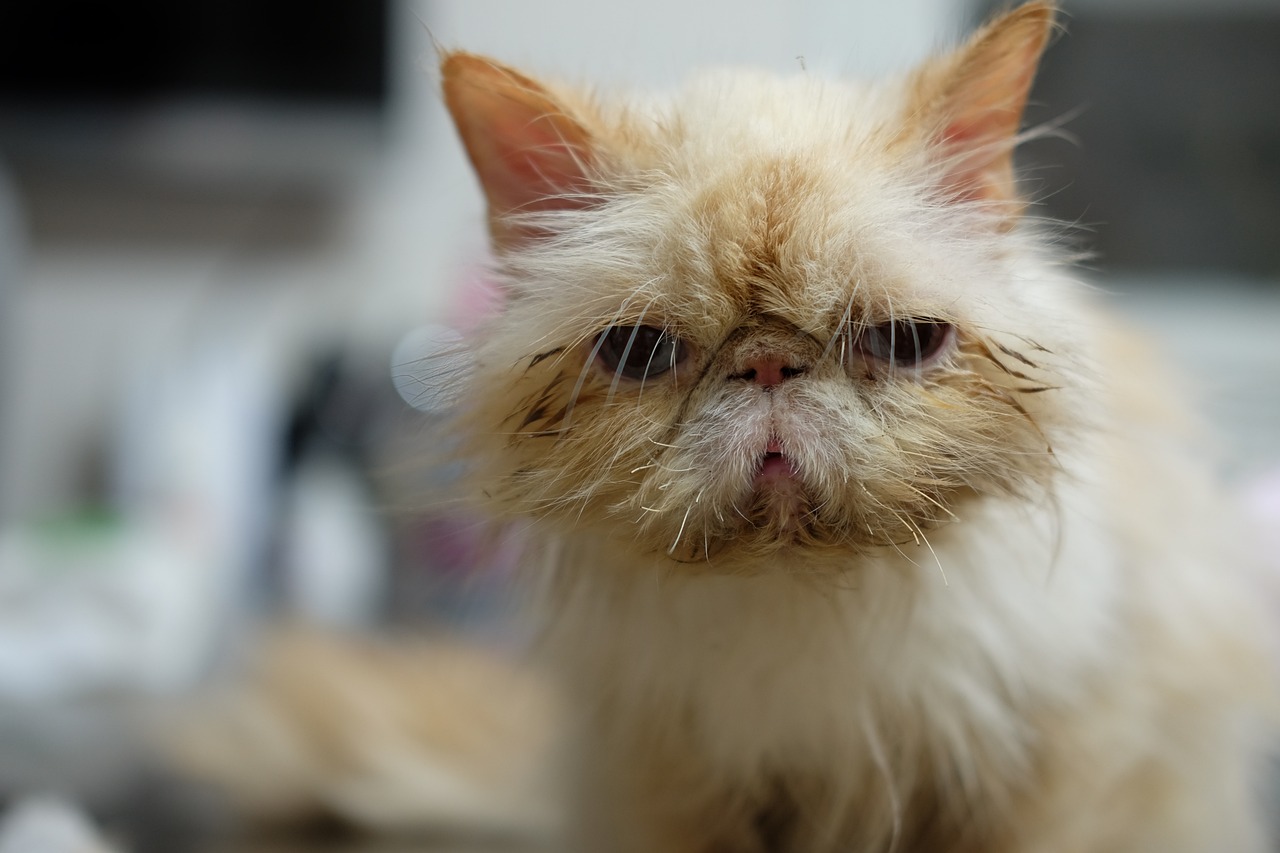

How to Monitor Your Cat’s Symptoms Before the Vet Appointment
Preparing for a veterinary visit for your cat involves careful monitoring of their symptoms and behaviors. Start by noting changes in appetite, lethargy, or unusual vocalizations. A sudden change in their eating habits could indicate dental issues, gastrointestinal problems, or other health concerns. Pay attention to drinking patterns; increased thirst or decreased water intake can signify health problems. Observe your cat’s behavior closely, especially activities they previously enjoyed. If they exhibit signs of pain such as hiding, flinching, or avoiding touch, it’s crucial to document these observations. Maintain a journal to track any abnormal behavior, detailing the date, time, and specifics of what you notice. This will serve as valuable information for your veterinarian. Additionally, monitor your cat’s litter box habits; changes in the frequency or consistency of their stool or urination can provide insights into health concerns. Make note of any unusual behaviors or symptoms, including coughing, sneezing, or changes in movement. Sharing these observations in detail during the veterinary visit will help the vet make an accurate diagnosis and recommend appropriate treatments for your beloved pet.
Another important aspect of monitoring your cat’s health is understanding common indicators of discomfort or illness. Reference guides or reputable sources online regarding feline health can help you distinguish normal behavior from concerning signs. Look for any physical changes such as unusual lumps, coat alterations, or skin irritations; all these can be critical for your veterinarian to know. Changes in your cat’s weight might also indicate health issues needing attention, so consider using a food scale for accurate measurements. Establish routine weigh-ins to track their weight regularly. If you notice drastic weight loss or gain, this should be reported to your vet immediately. Keep an eye on your cat’s grooming habits as well. If your cat suddenly stops grooming itself or starts over-grooming, it might be a sign of stress or health problems. Similarly, investigate any issues with breathing, as irregularities might need urgent attention. Always seek out reliable feline health websites or veterinary resources to educate yourself on what signs warrant immediate veterinary intervention to ensure the well-being of your cat.
How to Accurately Take Notes
Accurate note-taking is an essential part of preparing for your cat’s veterinary visit. When writing down symptoms, categorize them by the type of behavior or physical signs observed. For instance, maintain different sections in your notebook for appetite, energy levels, and litter box habits. This organized approach allows you to present the information clearly to your vet. Use bullet points for quick snapshots of each observation, making it easier for both you and the veterinarian to review the details. Remember to include the duration of any symptoms observed; for example, if your cat has been lethargic for three days, that information is crucial for diagnosis. If your cat suffers from chronic conditions, summarize their history, including current medications or previous vet visits and treatments. This historical context can guide your vet’s approach to your cat’s care. Using veterinary-focused apps can also simplify tracking symptoms, as they often come with reminders for appointments and useful health tips. Ultimately, staying organized enhances communication with your veterinarian, ensuring a more productive and insightful visit.
In addition to direct observations, consider using technology to assist you in monitoring your cat’s health. Various mobile applications have been developed that can track your pet’s health metrics, schedule medication reminders, or even sync with your vet’s office for seamless communication. These tools can help simplify the process of keeping tabs on multiple cats, especially in households with more than one feline. It’s also beneficial to share your findings via shared documents or cloud services, allowing family members to contribute to your notes. Emphasize recording any reactions your cat shows towards new foods or environmental changes to catch early signs of allergies or health concerns. High-quality photos can illustrate your notes better; capture images of physical changes, such as grooming behaviors or other manifestations of discomfort. Being proactive enables quick decisions and enhances your cat’s health. Demonstrating your commitment to monitoring your cat not only helps streamline veterinary care but also provides peace of mind that you are prioritizing their well-being and happiness.
Consulting Your Veterinarian
Even with meticulous monitoring, regular veterinary consultations are critical for your cat’s long-term health. Schedule annual check-ups and remain observant between these visits for any changes that might require immediate action. Never hesitate to contact your veterinarian if you feel any uncertainty about your cat’s well-being or behavior changes. When consulting, bring your notes and findings to the appointment, ensuring the vet has all relevant data at hand. Be prepared to answer questions regarding your cat’s lifestyle, diet, and environment. This information can significantly impact their health and might offer clues as to why certain symptoms arise. If you feel overwhelmed by certain symptoms, requesting extra time during your appointment can provide the opportunity to discuss concerns in-depth. Follow up on any recommended tests or treatments and ensure understanding of prescribed medications or special diets. Collaborating effectively with your veterinarian advances your cat’s health management and reinforces the care they receive.
Post-visit preparation is equally significant. After your appointment, reflect on the advice and observations discussed during your vet visit. Take time to understand any recommendations given, including dietary changes or exercise adjustments. Following up on any diagnostic tests can help gauge your cat’s health. Keep organized records of all vet visits, including dates, outcomes, and treatments administered. This not only helps track improvements but also assists in future emergencies. Consider joining pet health communities online to share experiences and gain valuable insights from other pet owners. Emotional support from fellow cat owners can empower you in caring for your cat better. Share your experiences and listen to tips, which could prove essential in monitoring behaviors or symptoms overlooked. Building this network enhances your knowledge and instills confidence in making the best health decisions for your feline friend while managing uncertainties. Ultimately, commitment to ongoing learning about feline health ensures a proactive approach to your cat’s well-being.
Conclusion
Monitoring your cat’s health before a veterinary appointment is a crucial responsibility for any cat owner. Tracking your cat’s symptoms diligently can empower you to be an advocate for their health. Start by closely observing behavioral changes, physical symptoms, and any signs of distress. Record your findings using organized note-taking methods to enhance your conversation with the vet. Use technology and available resources to aid in tracking health metrics for all your pets. Encourage collaboration with your veterinarian, as open communication is paramount for addressing concerns. Remember, preparing thoroughly for veterinary visits not only benefits your cat’s health but also fosters a positive relationship with veterinary professionals invested in your cat’s well-being. Finally, emphasize the importance of maintaining a solid knowledge base regarding feline health. Join community forums or enroll in newsletters to stay updated. This proactive approach ensures your cat receives the best care possible, contributing to a longer, healthier, and happier life.
Be proactive in creating a supportive environment for your cat and systematically addressing their needs. With attentive observation skills, methodical documentation, and adaptable communication strategies, you can enhance your cat’s experiences at the vet and overall quality of life.