
Exercise Precautions for Overweight Dog Breeds
Being aware of exercise precautions for overweight dog breeds is vital for their health. Many dogs face weight issues, making it essential to manage their exercise routines adequately. Instead of sudden strenuous activities, start with light walks or gentle play to prevent injuries. Gradual adjustments in their exercise frequency can lead to better outcomes. Learn to recognize fatigue signs in your dog, such as heavy panting or lethargy, and adjust their activities accordingly. Keeping a close watch ensures your dog does not overexert themselves. It’s advisable to consult a veterinarian for tailored exercise programs throughout this journey.
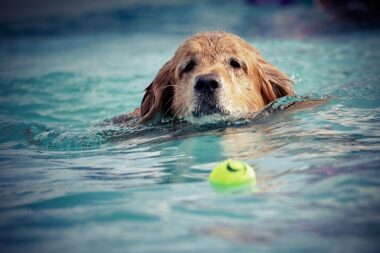
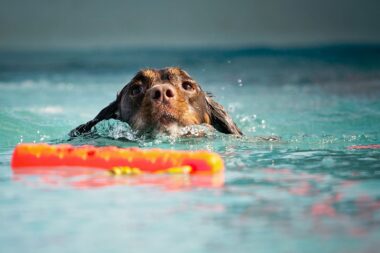
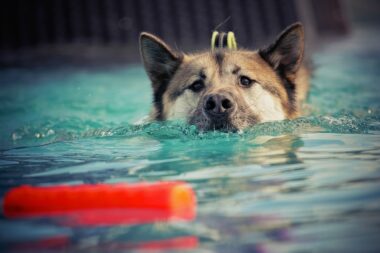
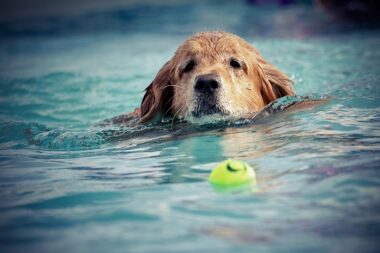
When focusing on exercise, select the right activities for your overweight dog breed. Understanding your dog’s individual preferences can motivate them to engage more actively. For instance, some dogs enjoy swimming, as it puts less strain on their joints compared to running. Likewise, choosing low-impact exercises, such as walking or gentle agility training, can keep your furry friend engaged. Utilize treat rewards to encourage positive behavior during workouts, which can help reinforce their involvement. Be sure to create a routine that incorporates regular short sessions instead of prolonged periods to maintain fitness without overwhelming your dog. Keep their energy levels in check while providing mental stimulation as well.
Tailored Nutrition for Overweight Dogs
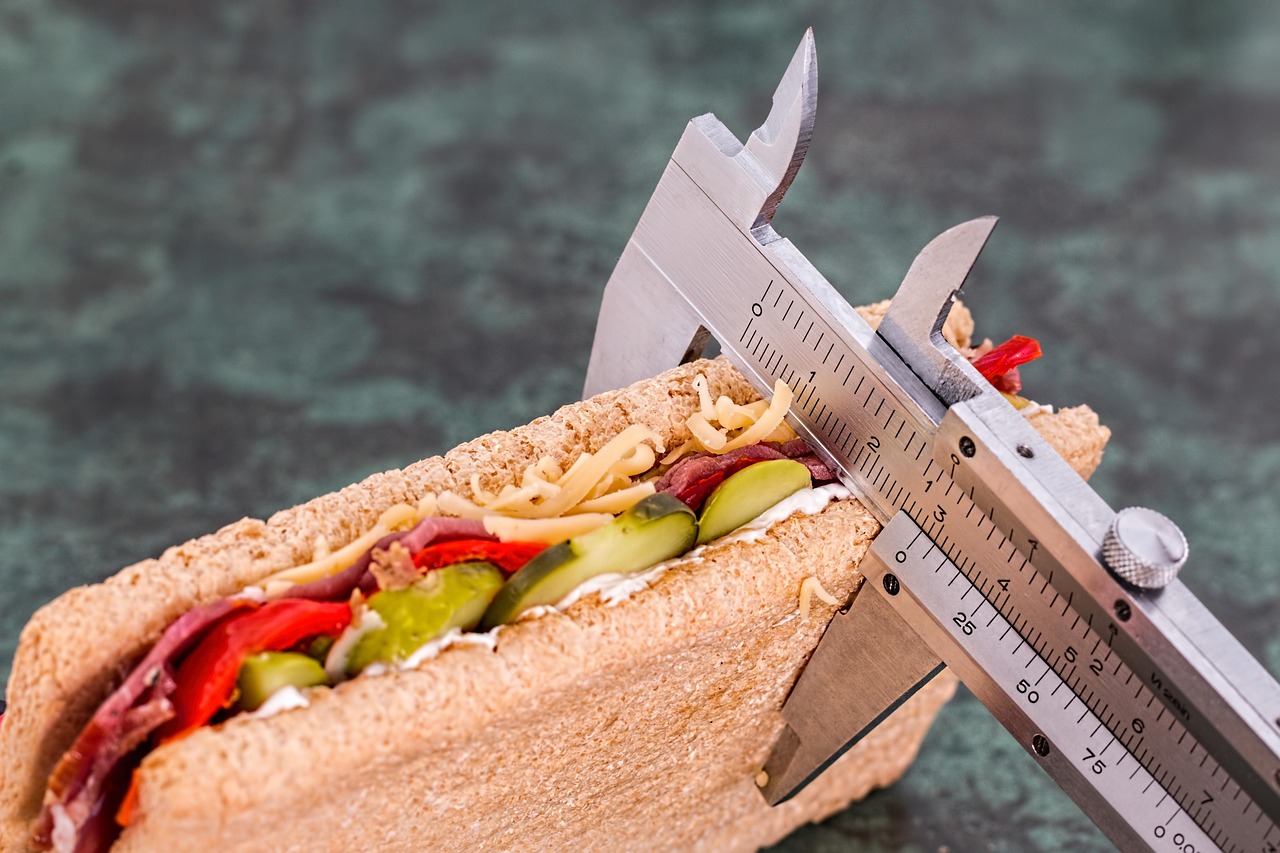
Nutrition plays a crucial role in an overweight dog’s overall wellbeing alongside exercise. Offer balanced meals tailored to their specific breed and age group, emphasizing low-calorie options. To help them shed weight, measure food portions accurately, avoiding free feeding, which can lead to overeating. Incorporating vegetables into their diet as healthy treats can curb hunger and provide essential nutrients. Tracking their food intake using a journal or an app can help ensure accountability for their dietary habits. Consistency in feeding times may also create a predictable eating pattern, which supports weight management and overall discipline.
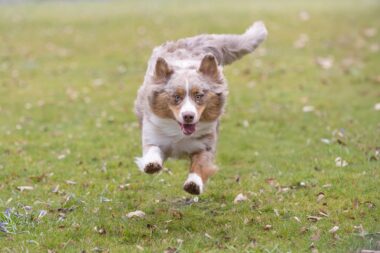
Socializing your overweight dog with others can boost their exercise motivation tremendously. Arrange playdates with friendly dogs, encouraging loose leash walking or light chasing. The added excitement of social interactions can facilitate increased activity levels, making exercise feel more like fun rather than work. Remember, each breed has varied exercise needs, so observe their interactions and adjust the pace according to their capabilities. Gradually upping the intensity of activities will allow your dog to build stamina while enjoying companionship. Although it is essential to monitor their performance, don’t shy away from creating joyous experiences with other dogs to foster a healthy lifestyle.
Hydration is Key
Keeping your overweight dogs hydrated during exercise and throughout the day is crucial for their health. Because dogs can be prone to overheating, always ensure fresh water is available post-exercise. Especially after warm weather walks, hydration helps in muscle recovery and supports overall wellness. You could even incorporate water breaks during exercise sessions to remind your dog to drink. Pay attention to signs indicating dehydration, such as excessive panting and dry gums, and take appropriate measures. Maintaining optimal hydration levels contributes vastly to the efficiency of their body during workouts and regular activities.
Be patient and consistent with your overweight dog breed while implementing these exercise precautions. Weight loss takes time, and encouraging your dog gently can foster a better relationship. Celebrate small milestones achieved during their progress to keep motivation high. Consider using a scale or measuring tape to track changes; it may help recognize their improvements. Your encouragement can make a major difference in their journey towards a healthier weight as they learn and adapt to their new routine. Building a mutual trust during this process will strengthen your bond, paving the way for enjoyable experiences while achieving fitness together.
Additional Resources
Investing time in research can support effective exercise for overweight dog breeds. Many online forums and communities share experiences and tips on dietary adjustments or exercise plans tailored for specific breeds. Local animal shelters may provide workshops on managing pet obesity, which can be valuable. Consulting with a professional dog trainer specialized in working with overweight breeds will also equip you with exercise techniques that suit your dog’s needs. These resources can prove beneficial in cultivating a sound approach to your dog’s lifestyle changes, helping them achieve a better quality of life through methods you learn.
In summary, following these exercise precautions for overweight dog breeds will ensure their happiness and health. Starting gently, focusing on nutrition, and incorporating socialization with proper hydration all build successful exercise practices. Achieving the desired results necessitates commitment and patience. Make sure to check for signs of fatigue and track the progress regularly to adjust your approach as needed. Celebrate achievements, however small, and maintain motivation with planned activities to enhance obedience. A vital aspect of this journey is fostering a strong bond with your dog through care and exercise, leading to an overall enriched existence for both of you.