
Fetch Games: Creative Variations to Keep Your Dog Engaged
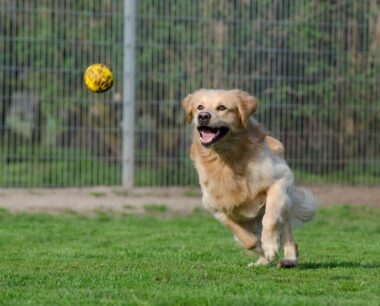
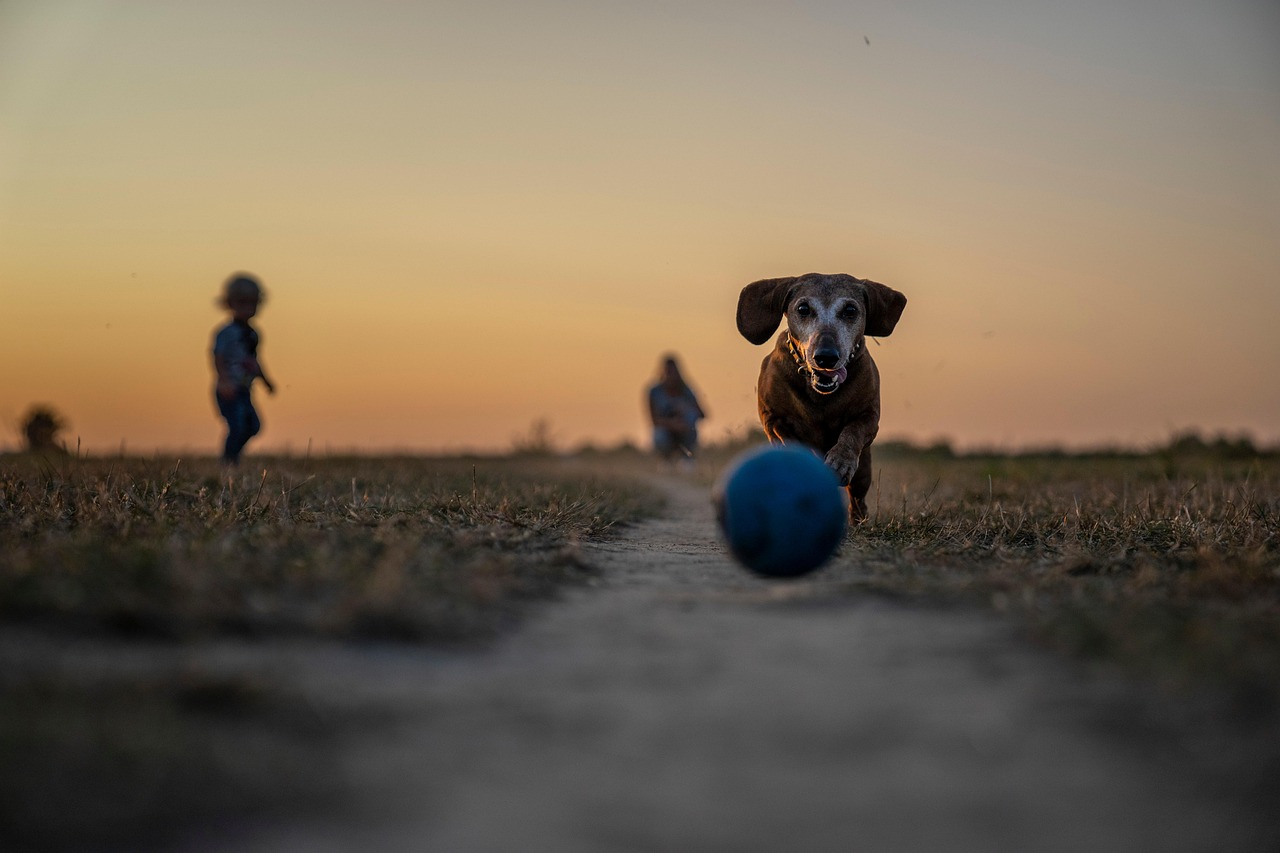
Playing fetch is a classic and enjoyable activity for both dogs and their owners. It provides physical exercise, mental stimulation, and a bonding experience. To mix things up and maintain interest, introducing variations to traditional fetch can be beneficial. One popular method is to vary the fetch item. Instead of just a standard ball, try using frisbees, plush toys, or even sticks. Each type of object presents a different challenge, enhancing your dog’s agility and responsiveness. Additionally, consider introducing fetch games into different environments such as parks, beaches, or even backyards to keep things fresh. Each new setting provides new scents and obstacles, enriching your dog’s experience. Furthermore, dogs often find joy in participating in fetch with others. Whether that be other dogs or humans, letting your dog interact with their peers while fetching not only makes the game more exciting but also enhances their social skills. Remember that fetch is versatile and can be adapted to fit any dog’s preferences and skills, keeping their enthusiasm high during playtime.
Benefits of Interactive Fetch Play
Engaging your dog in variations of fetch presents several benefits that go beyond just the exercise factor. Firstly, fetch strengthens your bond with your dog as it fosters teamwork and communication. The shared excitement during play promotes trust and understanding between you and your furry friend. Improved physical health is another significant advantage. Regular play sessions help maintain a healthy weight by burning calories and enhancing cardiovascular fitness. Mental stimulation is equally important. By introducing different techniques and tools, your dog is continuously challenged, which can alleviate boredom and destructive behaviors at home. A mentally stimulated dog is often happier and more content, leading to better behavior. More creative fetch games can also promote problem-solving skills. You can create obstacles or new methods of retrieving items, encouraging them to think critically about how to complete tasks. To maximize these benefits, ensure you maintain a positive attitude, offer praise for participation, and avoid any negative reinforcement. Establishing a healthy balance between structure and play is essential for a fulfilling fetch experience.
One exciting variation of fetch is to incorporate agility training into the game. Set up a small obstacle course in your yard or a nearby park. Use cones, tunnels, or jumps as challenges while playing fetch. Ask your dog to navigate obstacles to retrieve their toy. This variation not only adds a fun challenge but also enhances your dog’s coordination and focus. To further increase the excitement, try timing your dog’s performance to encourage them to beat their previous records. This can be a fun way to add competition without the pressures of timing another dog. Furthermore, utilizing different textures during fetch can also be enriching. If your dog enjoys different surfaces—like grass, sand, or gravel—this can be a new sensory experience that keeps their interest piqued. Mixing up the exercises by combining fetch with obedience training can also provide a great distraction. For instance, instruct your dog to sit or stay before throwing the ball. This reinforces commands while keeping the game engaging and varied. Always remember that the key is to keep these games fun and rewarding.
Fetch with a Twist: Water Fetched Games
Many dogs love water, and turning fetch into a water-based game can be incredibly refreshing during hot days. If you have access to a pool or a safe beach, bring along water-friendly toys specifically designed for fetching. Floating items like rubber ducks or foam balls will allow your dog to practice their swimming skills while enjoying a game they love. Starting by throwing the toy just a short distance can help ease less confident swimmers into the game. Always supervise your dog, especially when introducing them to water for the first time. If your dog is unsure about entering water, build their confidence gradually by playing near the shore and offering encouragement. Incorporate commands like ‘fetch’ and ‘come’ to reinforce their understanding of the game. Make sure to reward them generously with treats and praise upon each successful retrieval. This positive reinforcement will motivate them to participate further. Playing fetch in water not only provides exercise but also keeps your dog cool and comfortable during warmer months, making it an ideal alternative.
Another inventive variation of fetch is utilizing scent games. Dogs have exceptional olfactory capabilities, and incorporating scent retrieval into fetch elevates the game to a new level. Instead of throwing a visible toy, introduce an item with a specific scent, such as a towel infused with your scent or a toy with a dog-friendly treat inside. Hide the scented item somewhere in your yard or home, encouraging your dog to use their nose to locate it. This not only keeps them active but also engages their natural instincts and problem-solving skills. To increase complexity, offer clues or create a trail leading to the hidden object, turning it into a scavenger hunt experience. By varying the scents or items, you can continuously challenge them, making each game unique. In this way, you combine traditional fetch with scent training, which can be beneficial for future dog sports or competitions. Always remember to celebrate their discoveries enthusiastically, which in turn stimulates positive associations with these creative approach to fetch.
Engaging Multiple Dogs in Fetch
When you have multiple dogs, fetch can transform into a socializing and competitive sport. Organizing a fetch event for your dogs to partake in can prove very rewarding and entertaining. Consider setting up a relay fetch game where you have two or more dogs wait at a starting line. When you throw the toy, they will race each other to retrieve it. This variation increases excitement and instills a healthy level of competition. It is crucial to ensure dogs understand the rules, like returning the toy before chasing after it again. Space the dogs out to prevent any aggressive behaviors, and monitor play closely. Vary the toys and textures as well, catering to each dog’s preferences. For instance, while one dog might prefer a rubber ball, another may prefer a nostalgic stuffed animal. Engage each dog individually during their turn to help maintain focus and prevent distractions. Providing equal attention to each dog during play will foster fairness, and it ensures that every dog remains excited and engaged in the activity.
In conclusion, fetch is more than merely throwing a ball; it can be an enhanced and interactive experience. By incorporating variations like agility training, water games, scent challenges, or multiple dog play, you can foster your dog’s overall engagement and happiness. Remember that the key is variety; the more diverse the experiences, the more excited your dog will be about participating. Ensure that each session of fetch includes plenty of encouragement and praise to reinforce the positive aspects of playtime. Monitor their energy levels and be sure to mix in rest breaks so they do not become overly tired or distracted. This allows your dog to approach each new fetch game with renewed vigor and enthusiasm. As you continue to explore different fetch variations, don’t hesitate to experiment with what elements your dog enjoys the most. Frequency of fetch games can be adjusted according to your dog’s fitness and interest levels. Ultimately, fostering engagement through creative fetch games can greatly enhance your dog’s quality of life!
When considering fetch variations, it’s vital to remain attuned to your dog’s individual preferences. Every dog is unique, and what excites one may not stir interest in another. For instance, certain breeds may retrieve instinctively while others prefer more strategic play. By observing your dog’s reactions, you can tailor the fetch game to best fit their playing style and energy level. If your dog exhibits reluctance, consider breaking down the game into smaller, manageable segments and gradually build its complexity. Ensure the experience remains positive by intermittently introducing different elements or varying routines. Rotating toys regularly can also help maintain interest. Subsequently, balance active play with ample rest, as rest is equally essential for your dog’s overall health and happiness. Sticking to brief, 10 to 15-minute sessions can be beneficial, allowing for more frequent play during the day. This rhythm can keep the activity enjoyable and minimize physical strain. Remember, it is not the length of time spent playing that matters, but the quality of engagement and interaction you share. Make every session count towards your dog’s happiness!