
Vaccination and Immune Response: What to Expect in Your Cat
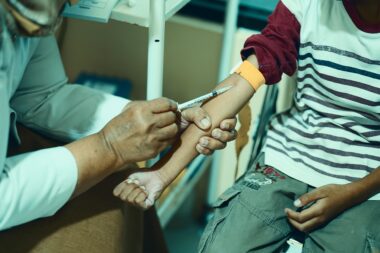
Vaccination plays a vital role in protecting our feline friends from diseases. When you take your cat to the veterinarian for vaccinations, they receive essential vaccines that help their immune systems recognize and fight off diseases like panleukopenia and feline leukemia. Following vaccination, it’s common for cat owners to wonder about their pet’s immune response and what to expect afterward. This response is the deployment of your cat’s immune system, which builds antibodies and trains itself against specific pathogens. It’s important to understand the typical post-vaccination behavior of cats to ensure they remain healthy. After vaccination, you might notice a subdued demeanor in your cat for a few days. This response is generally normal as their body adjusts to the vaccine. Some cats might experience mild side effects, such as a slight fever or loss of appetite, while others may be more energetic than usual. Understanding these signs will help you differentiate between a normal immune response and a potential health issue requiring veterinary attention.
Common Side Effects of Vaccination
When your cat receives a vaccine, it may experience various side effects, which are typically mild and temporary. Common side effects include tenderness at the injection site, lethargy, decreased appetite, or slight fever. In rare cases, more severe reactions can occur such as allergic reactions, which you should monitor closely. These symptoms indicate that your cat’s immune system is reacting appropriately to the vaccine. Tenderness at the injection site can be addressed by gently petting that area and providing comfort to your cat. If you notice unusual swelling or if the tenderness persists beyond a few days, consider consulting your veterinarian for further evaluation. Monitoring your cat’s behavior and health in the days following vaccination is crucial. Be alert for symptoms that may worsen or develop, such as persistent vomiting or difficulty breathing. If any signs of a serious reaction appear, seek veterinary care immediately. In summary, while side effects are to be expected, your cat should start returning to its normal self within a few days post-vaccination.
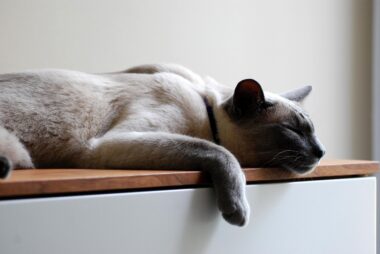
Understanding your cat’s immune response is essential for ensuring their well-being. Vaccines work by mimicking a disease to prepare the cat’s immune system without causing the illness itself. This triggers an immune response wherein the body creates specific antibodies to recognize and combat pathogens. After vaccination, a period called seroconversion occurs, where antibodies form in the blood, generally taking a few days. It is during this time that your cat may exhibit certain changes in behavior or energy levels. Some cats might seek more rest or display changes in their usual playfulness. It’s crucial to allow your cat adequate time to adjust. Providing a calm environment can support your cat’s recovery. Keep their surroundings quiet to help alleviate stress. Additionally, ensure they have access to clean water and their favorite treats to encourage eating. Remember to monitor any changes closely, as these adjustments to your cat’s routine may indicate how their body is responding to the vaccination. Every cat is unique, and their experiences post-vaccination may vary, emphasizing the importance of personalized care.
Importance of Follow-Up Appointments
Following your cat’s vaccination, keeping up with follow-up appointments is essential for monitoring their immune response effectively. Typically, veterinarians will schedule these appointments to assess how well your cat is responding to the vaccinations. These visits provide an opportunity to discuss any side effects observed and ensure your cat’s overall health is on track. During these check-ups, your veterinarian may perform a physical examination and may recommend additional tests if necessary. It is also an opportunity to update any necessary vaccinations so that your cat remains protected against preventable diseases. You can ask your veterinarian about any concerns or questions you might have regarding your cat’s health and vaccination schedule. Staying proactive about follow-up care reinforces your role in ensuring your cat’s health and increases awareness of any potential issues that may arise. These check-ups are crucial for understanding your cat’s vaccination history and how it impacts their immune health over time. Regular veterinary visits cultivate a partnership with your veterinarian to keep your cat healthy and thriving.
Nutrition also plays a critical role in supporting your cat’s immune system after vaccinations. A balanced diet ensures your cat has all the necessary nutrients to facilitate a robust immune response. Essential vitamins, minerals, and proteins contribute to the strengthening of the cat’s immune defenses, allowing them to combat infections effectively. Consider focusing on high-quality cat food rich in nutrients that bolster the immune system. Ingredients such as antioxidants, omega fatty acids, and proteins can enhance immune function and overall health. Additionally, providing fresh water at all times is vital to prevent dehydration, especially in the days following vaccination when your cat may experience some side effects. Sometimes, adding supplements can further support your cat’s recovery, but always consult with your veterinarian before introducing anything new to their diet. Discussing the ideal feeding plan during follow-up appointments can ensure your cat receives optimal nutrition tailored to their health needs. A combination of proper nutrition and appropriate veterinary care will pave the way for a quicker recovery and solid immune foundation.
Behavior Observations Post-Vaccination
Observing changes in your cat’s behavior following vaccination is crucial for determining their health status. Cats are known for their independent nature, and subtle changes can indicate their overall well-being. After vaccination, many cats may display variations in energy levels or engagement in play. This can serve as a signal to you about how they are coping with the vaccine. It’s advisable to document unusual behaviors, such as hiding or excessive vocalization, as these may indicate discomfort or a side effect requiring medical attention. Creating a quiet and comforting space for your cat post-vaccination can encourage them to rest without anxiety. Regular gentle interaction, like petting or soft talk, can also reassure your cat during this adjustment period. If they seem uncharacteristically withdrawn or exhibit signs of pain, consulting with your veterinarian promptly can help address these concerns. Understand that while most side effects are mild, vigilance is necessary for early detection of complications, ensuring your beloved pet remains healthy and happy. Knowing how to read your cat’s signs is an essential skill for any caring owner.
In conclusion, understanding vaccination and immune response in cats is fundamental for every cat owner. Being knowledgeable about the potential side effects and how to care for your cat post-vaccination will help ensure a smooth recovery process. The role of nutrition and close observation of behavior significantly contributes to your cat’s health in the days following their vaccines. It is crucial to monitor your cat for any unusual changes and to maintain regular veterinary appointments for optimal health assessments. Collaborating with your veterinarian regarding vaccinations, nutrition, and health observations is vital for your cat’s well-being. Maintaining an ongoing dialogue with the veterinarian enables personalized care that addresses your cat’s specific health needs. With the right approach and knowledge, you can ensure that your cat leads a happy, healthy life. Establishing a routine that includes preventative care while being supportive of recovery will help enhance your cat’s immune system. Love and vigilance from you will assist your cat in having not just a smooth recovery but will also ensure greater resilience against future illnesses.