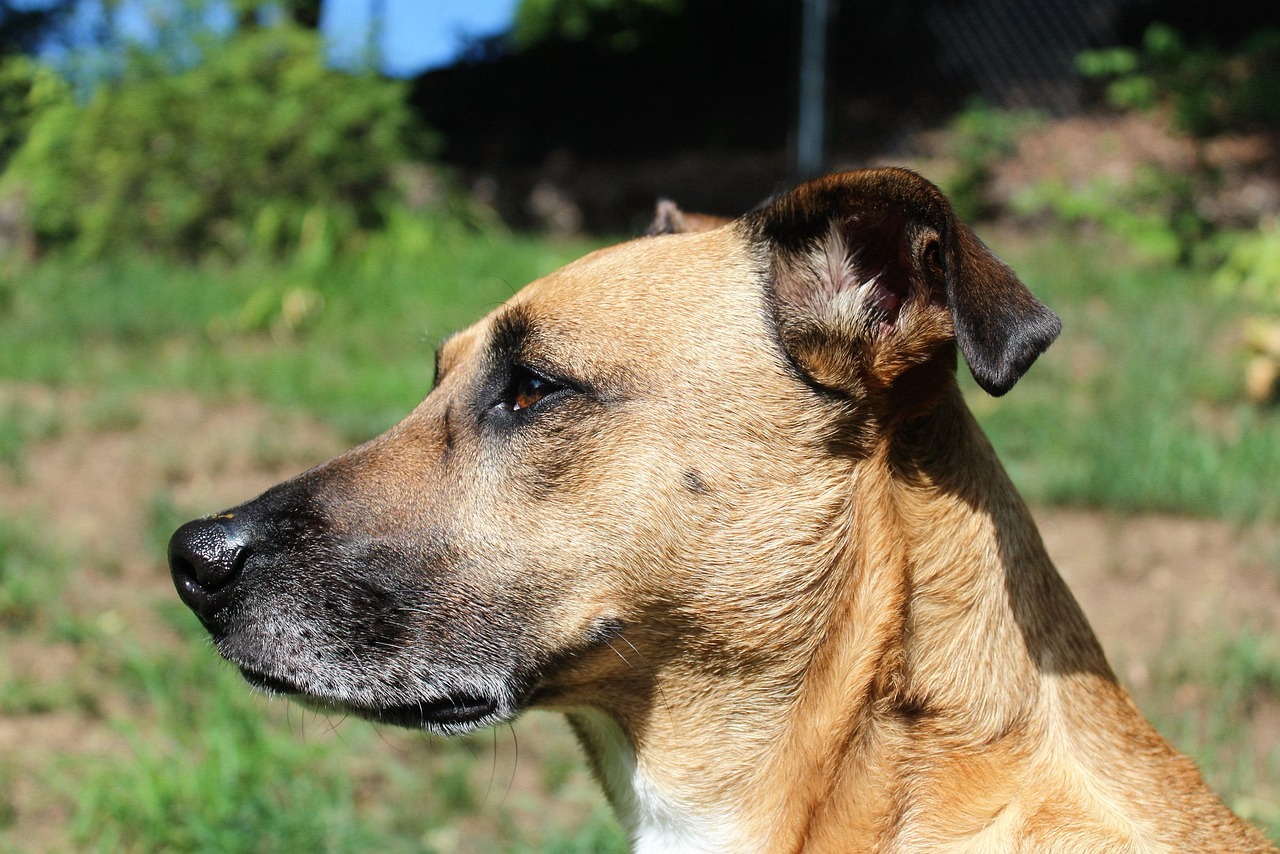

Dog Shelter Safety: Preventing Hazards and Injuries
Creating a safe environment in dog shelters is crucial to the well-being of our canine companions. Safety protocols help minimize the risks of accidents that can lead to injuries. A comprehensive assessment of the shelter facility should begin with identifying potential hazards that can endanger dogs. Hazards may include sharp objects, loose wires, and harmful substances. Regular inspections and maintenance can help ensure that the environment remains safe for both dogs and shelter workers. It is also important to educate all staff and volunteers about safety practices. Proper handling techniques and emergency procedures must be clearly established. Providing safety equipment, such as gloves and first-aid kits, can further enhance safety measures. Additionally, creating an emergency plan can be beneficial in case of unexpected situations such as natural disasters. Engaging in regular training sessions for staff and volunteers is vital. The combination of awareness and preparedness can reduce the possibilities of mishaps. Creating a safety culture among team members fosters an environment where everyone prioritizes the protection and well-being of the dogs in their care. Teamwork is essential for maintaining a secure shelter atmosphere.
Understanding common injuries that occur in shelters is essential to prevention. Injuries can arise from accidents during playtime or from fights among dogs. To minimize risks, appropriate introductions between dogs should be undertaken. Ensure that all dogs are screened for behavioral issues before they are placed in common areas. Assessing each dog’s temperament can help prevent fights and reduce anxiety. Equipping play areas with safety barriers can also create a secure environment. All shelter workers should have training in canine behavior to recognize warning signs. Implementing a dog-to-handler ratio can also mitigate stress on both canine residents and staff members. In addition, shelter layouts should promote safe movement during interactions. Maintaining order and cleanliness will reduce the likelihood of slipping and falling incidents. Moreover, food and water stations must be positioned strategically. Ensuring they are accessible but out of the way will help avoid conflicts. Regular supervision of play sessions is crucial in keeping the peace among dogs. Finally, employing a good record-keeping system can help track any injuries that occur. This will aid in identifying patterns and assessing the effectiveness of injurious prevention practices.
Maintaining Cleanliness for Safety
One of the crucial components of safety in dog shelters is maintaining overall cleanliness. A clean environment minimizes the spread of diseases and also prevents contamination, which can lead to health issues. Regular sanitation routines should be established and strictly followed. Cleaning schedules should be visible and consistently updated. Staff must be trained to recognize the importance of cleanliness in preventing infections. On top of regular cleaning, the use of pet-safe disinfectants is essential. This ensures that all potential pathogens are eliminated without harming the dogs’ health. Waste disposal practices are also critical. Ensuring that waste is promptly cleaned up and disposed of properly can reduce unpleasant odors and limit pest attraction. Providing proper ventilation can further improve air quality and reduce the chances of respiratory problems. Keeping all items within the shelter, such as bedding and toys, clean is equally important. Regular checks should be implemented to ensure these items are in a hygienic state. An effective cleaning process not only creates a pleasant environment for the dogs but also fosters a sense of pride among staff and volunteers.
In addition to cleanliness, regular health checks are paramount in ensuring the safety of shelter dogs. Performing health assessments can help identify any medical issues early on. Vaccination records should be maintained and updated regularly. This information is critical not only for the protection of individual dogs but also for the entire shelter population. Implementing a strict quarantine process is vital for newly arrived dogs. Isolating them until their health can be assessed helps prevent the spread of illness. Shelter staff should collaborate with local veterinarians to establish routine health screenings. Scheduling dental checks, parasite control, and regular vaccinations are all integral parts of this process. Furthermore, both staff and volunteers must be educated about the signs of distress or illness in dogs. Organizing workshops and training sessions will boost their knowledge and ability to respond quickly. With such preparations in place, shelters can effectively manage health risks. Additionally, fostering collaboration with animal welfare organizations can enhance the care provided to shelter dogs. Overall, a proactive approach to health management is vital for the safety and well-being of our furry friends.
Providing Safe Enclosures
The security of enclosures within dog shelters plays a crucial role in preventing injuries. Adequate size, strength, and design of enclosures can help keep dogs safe while allowing them to exercise and socialize. Ensuring that all enclosures are made of durable materials that can withstand wear is essential for long-term safety. Regular inspections are necessary to assess the condition of fences, gates, and kennel runs. Hinge and locking mechanisms should be checked frequently to avoid accidental escapes. It is also critical to assess the landscaping around the fence to eliminate any potential hazards. Features such as sharp rocks, thorny plants, or object accumulation should be addressed promptly. Enclosures should also offer adequate shade and shelter from inclement weather. Proper ventilation is important, especially during hotter months, to prevent overheating. Implementing specialized zones for different sizes or types of dogs can prevent conflicts and reduce stress levels. Additionally, incorporating safe play equipment within the enclosures can encourage healthy exercise. Ultimately, well-designed and secure enclosures contribute not only to the physical safety but also to the mental well-being of shelter dogs.
Training staff and volunteers on emergency procedures is vital for maintaining dog shelter safety. Emergencies can arise unexpectedly, so preparedness is key to minimizing risks and injuries. Regular drills simulating emergencies should be organized. This includes fire evacuations, natural disasters, and even aggressive dog cases. Staff members must be well-trained in handling various emergency situations that could arise. Clear emergency action plans should be readily available and easy to follow. Furthermore, communication channels need to be established for quick and effective coordination. Ensuring that all staff knows their specific roles during an emergency can create a sense of order and efficiency. Having a designated emergency response team within the shelter can improve safety outcomes. Maintaining and stocking emergency equipment, such as fire extinguishers, first-aid kits, and leashes, is equally important. Familiarize staff with their locations and the proper usage. Regular evaluations of emergency protocols can help identify areas that need improvement. Ultimately, investing time and resources in employee training can potentially save lives in critical situations, creating a safer haven for all dogs.
Community Involvement in Safety
Engaging the local community is an important aspect of enhancing safety in dog shelters. Collaborating with local businesses and organizations can provide additional resources and support. Community events, such as fundraisers or adoption drives, raise awareness and encourage involvement in shelter safety initiatives. Volunteering days can be organized to enable community members to participate directly in cleaning or maintenance efforts. Educating the public on responsible dog ownership can reduce the number of incidents involving lost or stray animals. Hosting workshops can also help share important safety tips with the dog-owning population. Providing literature on dog behavior may assist owners in preventing accidents involving their pets. Furthermore, building partnerships with local animal control agencies can foster a cooperative environment. These partnerships ensure that consistent safety messaging is relayed throughout the community. Involving local schools in outreach programs can instill values of compassion and care for animals among children. Positive community relationships can ultimately lead to a safer environment for shelter dogs. Ensuring that the shelter is viewed as a trusted resource strengthens community infrastructure and support networks.
In conclusion, creating a safe environment for dogs in shelters requires a multi-faceted approach. Preventing hazards and injuries is an ongoing commitment that encompasses several aspects, including cleanliness, health checks, secure enclosures, staff training, and community engagement. By addressing these factors comprehensively, shelters can significantly reduce the risk of accidents and injuries. The safety culture fostered within the shelter not only benefits the dogs but also promotes the well-being of the staff and volunteers. Furthermore, involving the local community enhances shelter resources and engagement. Frequent training and assessments ensure that policies remain relevant and effective in addressing new challenges. Listening to feedback from staff and volunteers can lead to improved practices. Keeping up with the latest safety regulations and trends in animal care is crucial for the continual improvement of safety standards. Remember, the ultimate goal is a safe and loving environment for every dog, and that requires persistent efforts from everyone involved. By prioritizing safety in all aspects of shelter care, we can work together to create a better future for dogs in our shelters.