
Understanding Flea Collars and Their Mechanism
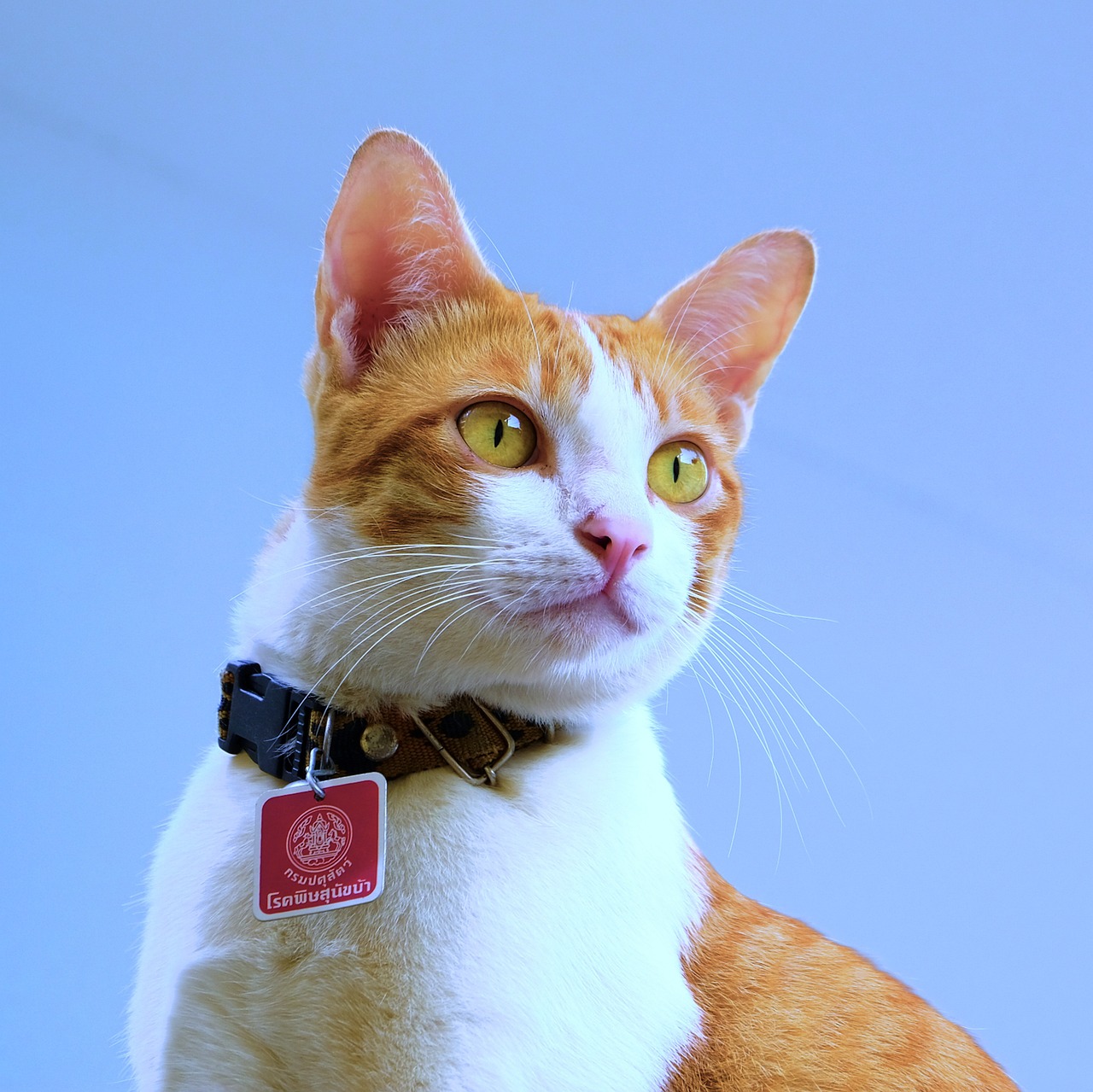
Flea collars are a popular method of controlling fleas on cats, providing a convenient solution to this persistent problem. Most flea collars work by releasing chemicals that repel or kill fleas upon contact. These collars can last for several months, making them a favorite among pet owners seeking long-term protection. However, it’s crucial to ensure the collar fits properly and is comfortable for your cat. Slip collars can be dangerous if too loose, while collars that are too tight can cause irritation. When choosing a flea collar, consult with your veterinarian about the most suitable options for your specific cat’s needs, including its age, weight, and health condition. In addition to their effectiveness, it’s important to monitor your cat for any adverse reactions or allergies that may develop. Always read the manufacturer’s instructions carefully before application. Many collars are waterproof, but check for this feature, especially if your cat loves to play in water. By understanding how flea collars work, you can effectively incorporate them into a broader flea management strategy that may also include regular grooming and veterinary check-ups for your feline friend.
Combining Methods for Enhanced Effectiveness
When managing flea infestations, combining flea collars with other methods can yield a highly effective strategy. Flea collars should not be the sole method of flea control. Limitations exist; they do not address flea eggs and larvae within the home environment. For comprehensive protection, consider utilizing topical flea treatments, which can be applied directly to your cat’s skin. These treatments often start working quickly to eliminate active flea populations. Another excellent complement to flea collars is oral flea medications, which provide internal protection against fleas and can last for weeks. Additionally, maintaining a clean environment is essential; vacuuming carpets and furniture regularly helps remove flea eggs and larvae. Using flea sprays on carpets and bedding can also aid in reducing flea populations. Washing your cat’s bedding and toys in hot water regularly will assist in preventing flea re-infestation. Ensure that your home is treated for fleas and that all pets are on a flea prevention regimen. By blending different control methods, you increase the chances of success and can ensure that your cat stays comfortable and free of fleas throughout the season.
For many cat owners, the idea of using a flea collar raises concerns about chemical exposure. It’s crucial to choose collars made from safe materials and effective ingredients. Look for brands with a good reputation, ensuring they comply with safety standards. Natural flea collars are also available, often made with essential oils that repel pests without harmful chemicals. These collars are usually favored by pet owners who are environmentally conscious or concerned about their cat’s health. However, natural doesn’t always mean more effective; compare reviews and efficacy data for various products. It’s essential to assess your cat’s lifestyle and habits when selecting a flea collar, particularly if it’s an indoor or outdoor cat. For those spending time outside, a robust collar providing longer-lasting protection might be necessary. Always introduce any new collar gradually, monitoring your cat for any signs of discomfort or allergic reactions. Remember that no single method guarantees complete protection; regular check-ups with your veterinarian can play an essential role in ensuring your cat stays flea-free and healthy throughout its life. Combining the right collar with conscious monitoring is crucial for successful flea control.
Regular Grooming for Optimal Control
Including regular grooming as a part of your flea control strategy is incredibly beneficial. Grooming not only helps remove any existing fleas and dirt but also allows you to check your cat for signs of an infestation closely. Brushing your cat’s coat thoroughly with a fine-toothed flea comb can effectively capture fleas before they have the chance to reproduce. Frequent grooming ensures you can spot any flea problems early, allowing you to address them quickly. This practice can also be a comforting routine for your pet, strengthening your bond. While flea collars may provide external protection, grooming serves as an excellent supplementary method to keep fleas at bay. Ensure that you chose the right tools suited to your cat’s coat type. Pay attention to areas where fleas tend to hide, such as around the neck, ears, and belly. If you do spot fleas in your grooming sessions, act immediately by treating your cat with appropriate medications. Moreover, regular grooming sessions can also improve your cat’s overall health by removing dead hair and skin, leading to a shiny, healthy coat.
Environmental control plays a crucial role in any successful flea management strategy. Even while using flea collars, treating your home is essential to eliminate flea eggs and larvae. Start by vacuuming regularly, including carpets, upholstery, and even any crevices where fleas may hide. Dispose of your vacuum bag or clean your vacuum canister immediately after each use to avoid re-infestation. Fleas can live in your home for months without a host, so this is an essential step. Alongside vacuuming, consider using flea sprays or powders specifically designed for indoor use to treat carpets and furniture. It’s also advisable to wash pet bedding frequently in hot water to kill any fleas or eggs residing there. Yard maintenance is another critical part of the strategy, as outdoor spaces can be breeding grounds for fleas. Keep grass trimmed and consider using outdoor flea treatments to protect your pets when they are outside. Implementing these practices will complement the protection offered by flea collars, creating a comprehensive flea control plan.
Monitoring and Adjusting Your Strategy
Monitoring your flea control strategy is essential after implementing it to ensure efficacy. Keep a close eye on your cat for any signs of flea activity, including excessive scratching or biting at the skin, which signals discomfort. If you notice these behaviors despite using flea collars and other products, it may be time to reassess your approach. Some collars can lose effectiveness over time due to environmental factors or incorrect usage. Always check the expiration date on your flea collar to ensure it still offers protection. If issues persist, you might need to consult your veterinarian about more aggressive flea treatments or alternative methods. Regular follow-up appointments will help tailor the flea control plan to your cat’s specific needs. It’s essential to communicate any changes in your cat’s behavior or health with your vet. Additionally, as pet products and treatments evolve, staying current on new, safer options will help in implementing the most effective strategy for your cat’s well-being. Regularly evaluate the success of your flea control regime to protect your furry friend effectively.
In conclusion, combining flea collars with other parasite control measures creates a robust strategy for your cat’s health and comfort. Flea collars serve as an excellent line of defense when used in conjunction with regular grooming, environmental control, and veterinary insights. Always prioritize safety by selecting recognized products and monitoring for any reactions. Maintaining an integrated approach that incorporates various methods will enhance your chances of successfully combating fleas. Every cat and household is different, which may require a bit of experimentation to find what blends effectively for your particular situation. Consult your veterinarian whenever you’re uncertain, and keep informed about the latest products and techniques for flea management. Remember that consistent monitoring and environmental care remain paramount to success. Ultimately, your pet’s comfort, health, and happiness should guide your choices in flea control. By committing to a thorough, multi-faceted approach, both you and your cat can enjoy flea-free living while ensuring a safer home environment for everyone.