
Common Questions About Dog Parasite Control Answered
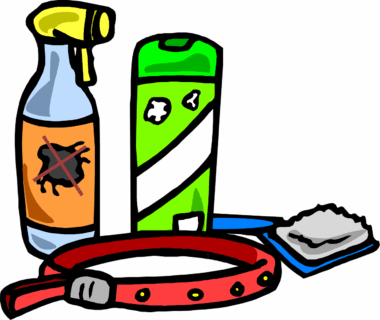
Dog parasite control is crucial to maintaining your pet’s health. Common parasites include fleas, ticks, heartworms, and intestinal worms. These parasites can cause various health issues, ranging from minor irritations to severe diseases. Regularly treating your dog for parasites can prevent these issues and protect your family too. It’s essential to consult your veterinarian for effective treatment plans tailored to your dog’s needs. Ensuring proactive measures against parasites can promote a better quality of life for your dog and peace of mind for you. It is always better to be informed and prepared regarding pet health. Often, pet owners have numerous questions regarding the types of parasites to watch for and the signs of infection. Understanding these factors will allow for timely treatment, thus preventing further complications. Additionally, pet owners should inquire about the best medications to use and their regularity. There are many products available, including topical solutions, oral medications, and collars. Each product has its advantages and disadvantages, and your veterinarian can recommend the most suitable for your dog essential.
Common practices include regular vet check-ups to monitor for parasites. It is essential to maintain proper hygiene and cleanliness in your dog’s environment. Regular grooming can help detect fleas or ticks before they become a larger issue. Cleaning your home and yard can significantly minimize the risks of these parasites. Dog owners should be observant about their pets’ behavior, as changes such as scratching, chewing, or unusual lethargy can signal a problem. In addition, ensuring that your dog is on a preventive measure can help suppress parasite populations. Heartworm prevention should especially be emphasized as it is a life-threatening condition caused by parasites transmitted through mosquito bites. Administering heartworm preventatives monthly will protect your furry friend effectively. Many owners also frequently seek answers about the safety of medications available on the market for their pets. Consulting with a veterinarian can ensure that these medications are appropriate and safe for your particular breed. Providing timely and preventative care is paramount for ensuring the long-term health of your dog and enhancing their quality of life.
Understanding the Impact of Parasites
Parasites can have significant adverse effects on your dog’s health and behavior. They can lead to weight loss, vomiting, diarrhea, and allergic reactions that can be very uncomfortable for your pet. Chronic infestations can even cause anemia and long-term health problems. Dog owners may often overlook mild symptoms, mistakenly believing they will resolve without treatment. Failing to act promptly can lead to severe health issues down the line. Fleas and ticks are not only nuisances but also carriers of various diseases that can affect both pets and humans. Therefore, it is essential to address not just the immediate problems caused by parasites but also the potential dangers they pose to your home. Educating yourself and remaining vigilant is key to preventing infestations. Monitoring your dog when outdoors and checking them for parasites after walks can save you and your pet from significant discomfort. Preventive measures, such as using prescribed medications, can create barriers against such threats. Moreover, dog owners should also be aware of the seasonal nature of certain parasites, which can increase the risk of transmission during specific months.
Awareness and education about dog parasite control can also extend to fostering safe practices during activities. If your dog interacts with other pets or is taken to dog parks, there may be increased risks of exposure to parasites. Sharing information with other dog owners can enhance communal vigilance against common threats. By being proactive, pet owners establish a healthier environment for everyone in their community. There are also specific lifestyle choices that might affect a dog’s vulnerability to parasites. For example, a dog’s diet can impact its immune response and general health. Ensuring that your dog receives a well-balanced diet rich in essential nutrients helps strengthen their immune system. Also, maintaining a routine schedule for prevention and treatments can create a solid line of defense. Always follow the recommended dosages for medications, and do not hesitate to consult your veterinarian regarding usage guidelines. Likewise, keep an eye out for seasonal changes since different parasites peak during different times of the year, and adapt your control measures accordingly. Fleas, for instance, flourish in warm weather, while heartworm is prevalent in mosquito season.
Natural vs. Chemical Treatments
The efficacy of natural and chemical treatments for dog parasite control can vary widely. Some pet owners prefer natural alternatives, believing they are safer for their pets and the environment. However, it’s essential to note that not all natural remedies are equally effective against common parasites. While some natural products may help repel certain pests, they may not provide full protection. Conversely, chemical treatments tend to have a more established success rate. They are designed to target specific parasites and provide immediate relief from infestations. Always consider your dog’s health and history before choosing a treatment plan, as some pets may have sensitivities to certain chemicals. Discuss all available options thoroughly with your vet, who can guide you towards the most suitable alternatives for your pet’s specific situation. Taking the time to research and understand available treatments will equip you with the necessary knowledge to make informed decisions. Keep in mind that a combined approach, utilizing both preventive measures and treatment options, may yield the best outcomes in keeping your dog free from parasites.
Establishing a routine for dog parasite control is vital in ensuring their overall health. A dedicated schedule for vet visits, administering preventatives, and checking for signs of parasites can help prevent infestations. Maintaining your dog’s hygiene through regular grooming sessions can help identify any early signs of fleas or ticks present. Additionally, routinely cleaning living spaces, including regularly washing bedding and vacuuming common areas, can significantly reduce parasite populations in your home. Consistent cleaning practices should also extend to outdoor spaces where your dog spends time. Areas like your yard should have regular treatments, as they are also susceptible to parasite infestations. In some cases, contacting pest control services may be necessary to ensure that your home and yard remain free from fleas and ticks. Monitoring your dog’s health and symptoms should not solely rest on periods when they seem unwell. Instead, create a culture of preventive care, as it greatly affects your pet’s happiness. Make parasite prevention part of your dog’s care routine to guarantee they remain healthy, active, and, most importantly, parasite-free.
The Importance of Awareness
Staying informed about dog parasite control is critical in maintaining your dog’s well-being. Regularly educating yourself on new preventive measures and products in the market will help you make informed choices. Many communities have resources and information sessions dedicated to pet health and parasite control. You can learn from other pet owners’ experiences and insights. Participating in discussions on platforms dedicated to pet health will provide a broader understanding of common issues pet owners face. The more informed you are, the better equipped you will be to deal with any problems that arise. Networking with veterinarians at local clinics is another excellent resource for accessing up-to-date information regarding dog parasite control. Building a relationship with a vet allows you to ask questions and get personalized advice about your dog’s health. Additionally, it is crucial to share your knowledge with other dog owners to help create an informed community. Taking prevention measures becomes possible when everyone knows about common parasites and how to manage them. This proactive approach can lead to healthier pets and safer households, ensuring the well-being of your furry companions.
In conclusion, dog parasite control is integral to maintaining both your dog’s health and the family’s overall safety. Regular check-ups, preventive care, and treatment are paramount to ensuring a parasite-free environment. Being vigilant, asking the right questions, and seeking professional advice will help you navigate the options available. Whether choosing natural or chemical treatments, your focus should remain on the best interests of your dog. Ensuring a thorough understanding of potential risks allows you to take the necessary steps to avoid complications. Dog ownership necessitates a deep commitment to health management and awareness. Cultivating an environment that minimizes the exposure to parasites through diligent hygiene practices creates the foundation for a long, healthy life for your dog. Regularly reassessing your methods and adapting to any changes within your dog’s lifestyle is equally important. Educating yourself about new treatments and reviewing your dog’s existing plans will significantly enhance the effectiveness of your parasite control strategy. Encourage open communication within your dog-owning community for a shared approach in keeping pets safe. Making informed decisions ultimately leads to a better quality of life for your furry companions, establishing a healthier living environment for everyone.